Interest in LLMs.txt has grown because teams want a simple way to tell answer engines which content matters most, how the site should be understood, and where reliable source material lives. That instinct makes sense. As AI search grows, it is natural to look for a machine-readable file that acts like robots.txt for large language model systems. As of April 2026, the proposal remains a community standard rather than an officially adopted directive across major AI crawlers.
But the reality is more nuanced. LLMs.txt can be useful as a source-guidance layer, especially for editorial and documentation-heavy sites, yet it is not a magic visibility file. It does not replace crawlability, rendering quality, entity clarity, or trustworthy route design. If the site cannot expose strong machine-readable pages in the first place, no directive file will fix that foundational problem. Practical access control still happens through the documented user-agent rules of crawlers like OpenAI's GPTBot and OAI-SearchBot and Anthropic's web fetch behavior.
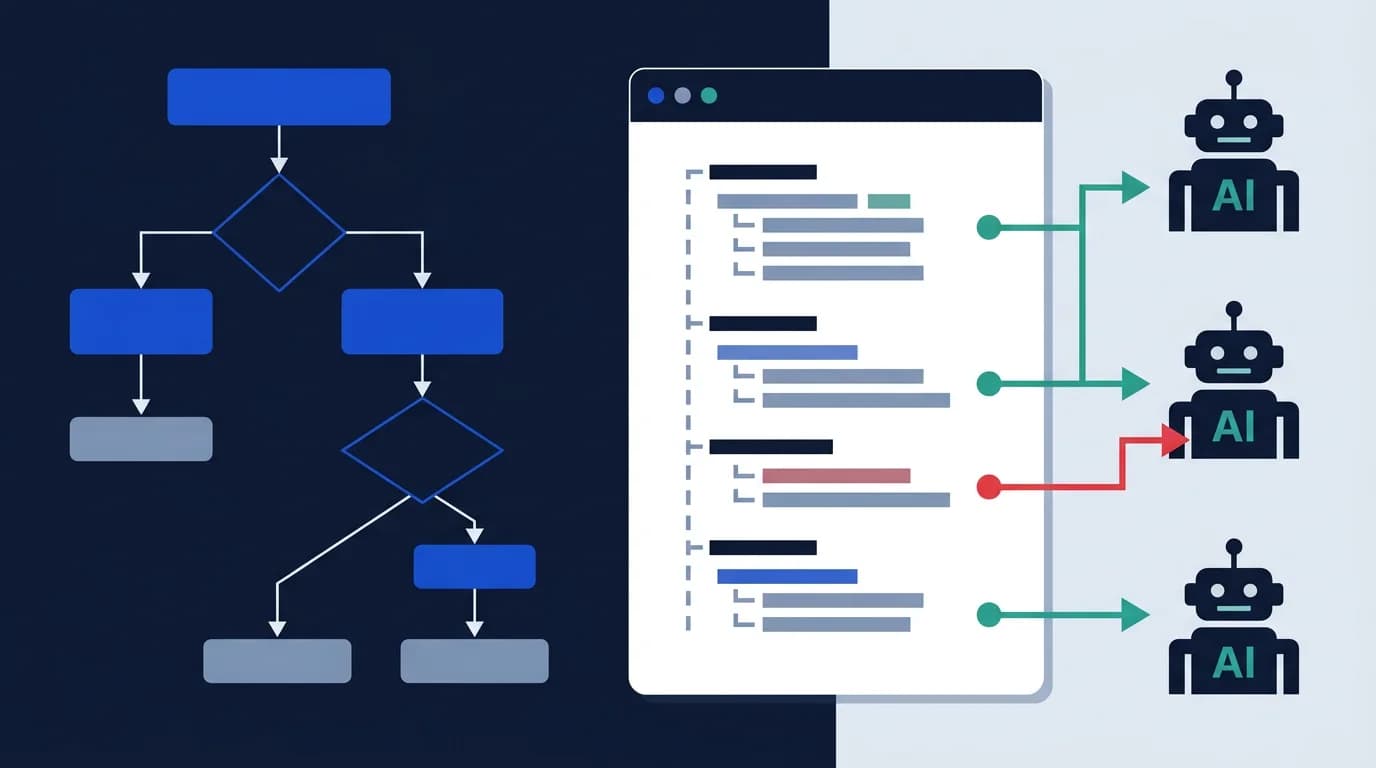
This guide explains what LLMs.txt is, where it can help, where it is often misunderstood, and how technical teams should think about AI crawl directives alongside robots.txt, sitemaps, structured data, and citation-ready content.
What LLMs.txt is trying to do
LLMs.txt is intended as a machine-readable file that points AI systems toward the most useful source material on a site. In practice, it often acts more like a curated source manifest than a strict crawler-control file.
That means it is usually most useful for:
- highlighting important source pages
- grouping key documentation or editorial assets
- clarifying where durable factual content lives
- giving AI systems a simpler map of high-value resources
This is different from robots.txt. robots.txt is mainly about crawler access rules. LLMs.txt is more about source orientation.
Why teams misunderstand LLMs.txt
Many teams hope LLMs.txt will work like a direct ranking switch for AI search. That expectation is too strong.
In reality, LLMs.txt does not guarantee:
- crawling
- citation
- inclusion in generated answers
- preferential ranking in AI search products
It can help answer-engine systems discover or interpret a cleaner subset of the site, but only if those pages are already strong source candidates. The file is guidance, not a substitute for source quality.
LLMs.txt works best when source quality is already strong
An AI directive file can only point to what exists. If the pages it references are thin, unstable, hidden behind hydration, or semantically weak, the file may add little value.
Foundations the file depends on
That is why LLMs.txt usually works best when it sits on top of:
- stable machine-facing HTML
- strong entity clarity
- factual content that is easy to extract
- clean structured data
- consistent route-level metadata and canonicals
This is one reason the topic sits close to entity SEO and citation readiness, structured data for AI visibility, and the wider AI visibility cluster.
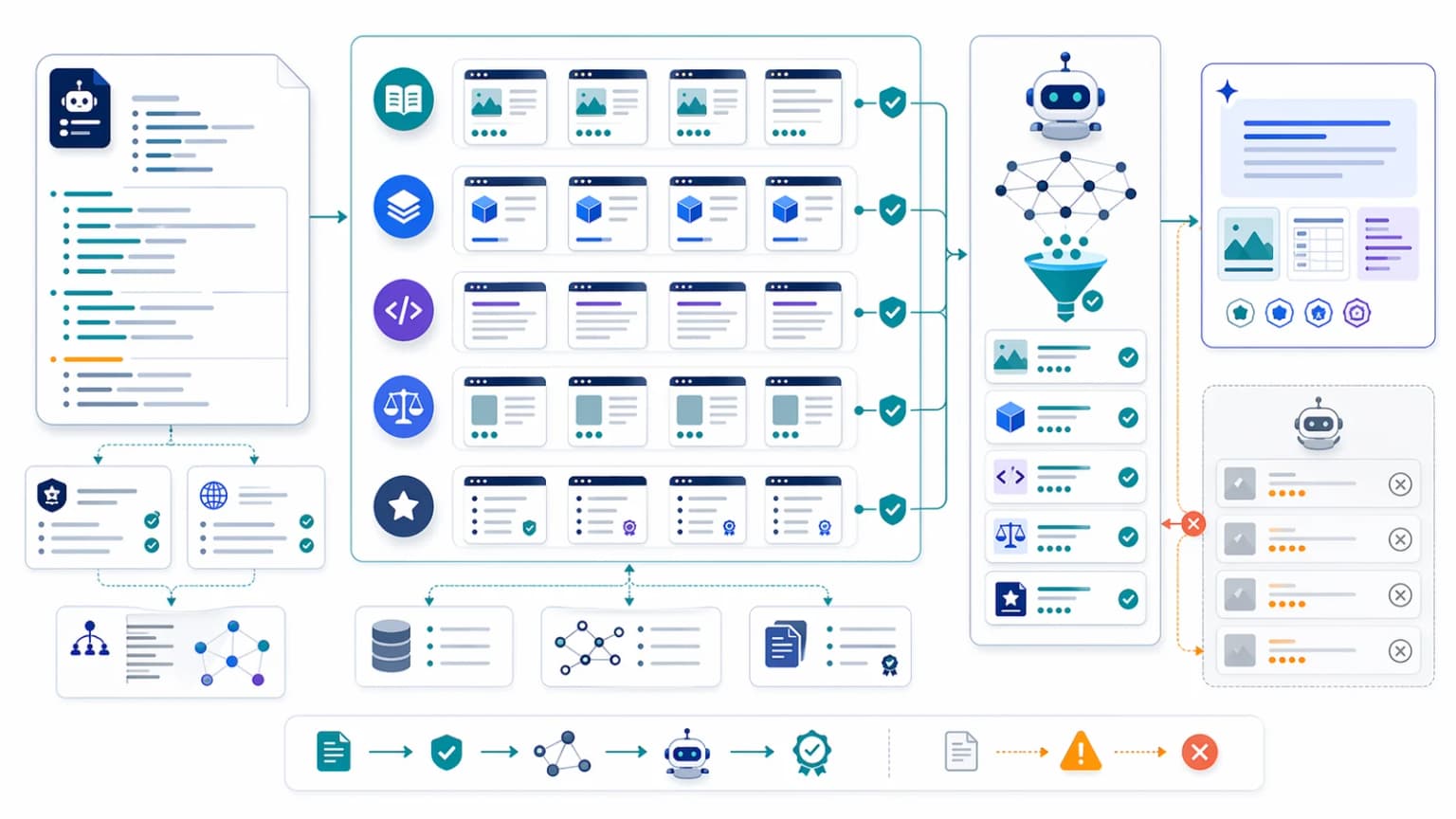
Think of it like a curated source map
The healthiest mental model is not "AI robots file." The healthier model is "curated source map for answer systems."
What to include in the source map
That usually means an LLMs.txt file should favor:
- foundational guides
- authoritative service or product explainers
- high-trust documentation
- pages with durable definitions and factual structure
- routes that the team actually wants used as source material
It should not become a dump of every route the site can generate. That would recreate the same noise problem teams already struggle with in weak sitemaps and bloated crawl inventories.
LLMs.txt does not replace robots.txt
robots.txt and LLMs.txt serve different purposes.
robots.txt helps define:
- which crawlers can access which paths
- whether some areas should be blocked from normal crawl
- where the XML sitemap lives
How LLMs.txt differs in purpose
LLMs.txt is better understood as:
- an optional guidance file for source selection
- a list of important resources
- a content-orientation layer rather than an access-control layer
That means the two files should be aligned, but not confused. A page that is blocked from crawling cannot become an effective AI source simply because it is listed in LLMs.txt.
The file should reflect source intent, not everything the brand wants promoted
One common mistake is treating LLMs.txt like a brand-promotion wishlist. The better approach is to use it as a practical reflection of the pages that are most source-ready.
That usually favors pages that are:
- factually rich
- stable over time
- well structured
- machine-readable
- useful outside the context of a live sales conversation
If the file points mostly to vague or thin marketing pages, it will not improve source quality much because the underlying material is still weak.
LLMs.txt should stay aligned with entity and citation strategy
If a site has already done work on entity clarity and citation readiness, LLMs.txt can reinforce that effort by highlighting the pages most worth using as source material.
Pages that reinforce entity strategy
That means the file should usually align with:
- the site's primary entity pages
- authoritative editorial hubs
- comparison or explainer pages with clear factual structure
- documentation pages that define terms and workflows
- routes whose schema and visible content tell the same story
This keeps the machine-readable guidance layer consistent with the actual content architecture instead of turning it into a disconnected experiment.
Machine-readable guidance still depends on fetchable pages
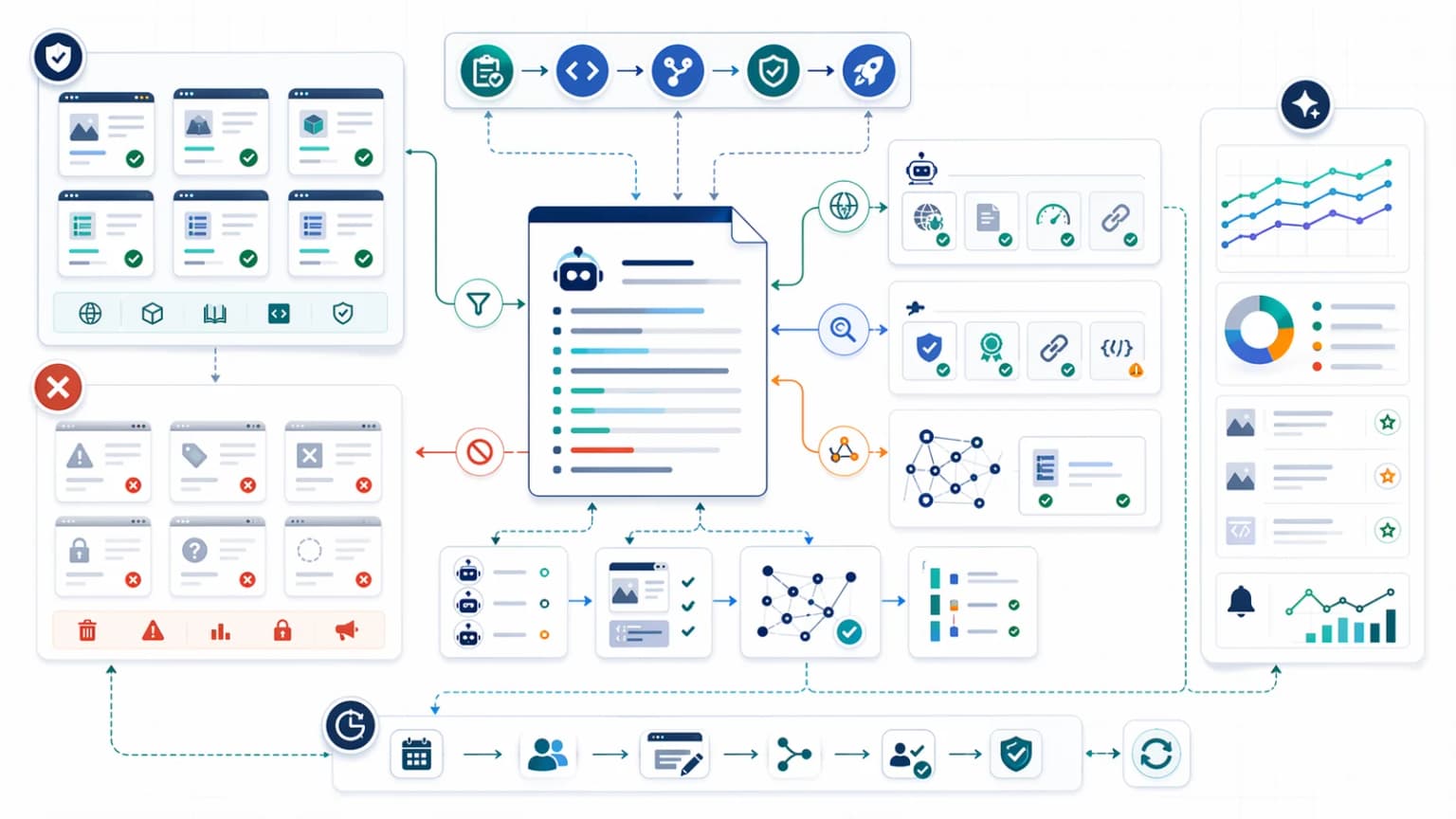
Even if the file itself is well written, AI systems still need to fetch and parse the referenced pages. If those pages rely on weak client-side rendering or expose incomplete first-response HTML, the guidance file will not solve the harder delivery problem.
This is why LLMs.txt still depends on:
- route crawlability
- strong raw HTML or prerendered output
- accessible canonicals and metadata
- visible factual structure before hydration
The guidance layer only works when the source layer underneath it is actually usable.
A practical structure for LLMs.txt
The best implementations usually stay simple. Instead of overengineering the file, teams should focus on curation and clarity.
A simple structure that works
A useful structure often includes:
- a short description of the site or source domain
- a list of important resource groups
- direct links to core source pages
- stable documentation or glossary hubs
- product or service references only when they are actually source-ready
The goal is not to create a complex protocol. The goal is to reduce ambiguity for machines that want a clearer path into the site's most trustworthy content.
Where LLMs.txt can help most
This kind of file is often most helpful on sites with:
- technical documentation
- dense editorial archives
- research or specification pages
- B2B product explainers
- help centers and onboarding content
These environments benefit because they often already contain source-friendly material. LLMs.txt simply helps surface it more intentionally.
Common mistakes to avoid
The most common mistakes are:
- expecting
LLMs.txtto act like a ranking switch - listing too many weak pages instead of curating the best ones
- pointing to routes that are not machine-readable enough to cite
- letting the file drift out of sync with the actual content architecture
- treating it as a replacement for robots, schema, or rendering quality
These mistakes usually come from giving the file too much responsibility.
How to validate whether it is helping
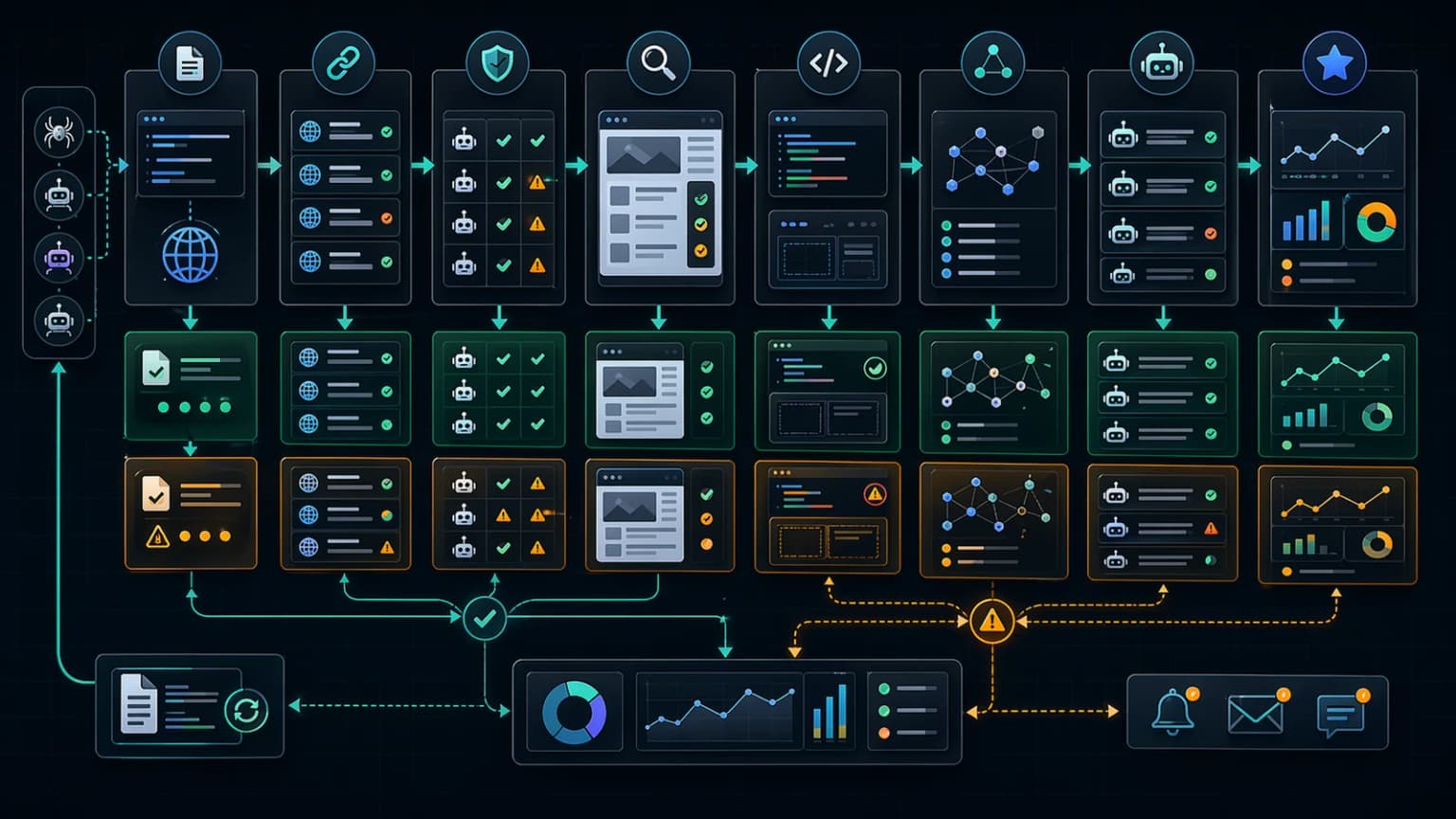
Validation should focus less on the existence of the file and more on whether the referenced routes are actually strong source material.
The strongest review usually includes:
- Check that the file is reachable and correctly formatted.
- Review whether the referenced pages are truly high-value source candidates.
- Validate raw or prerendered HTML on those pages.
- Confirm that schema, metadata, and entity clarity stay aligned.
- Track whether citation and inclusion patterns improve on the referenced route set over time.
Useful support here includes a crawler checker, a JSON-LD validator, and answer-engine visibility monitoring on the same source pages.
Conclusion
LLMs.txt can be useful, but only when it is treated realistically. It is best understood as a curated source-guidance file, not as a magic AI ranking lever. Its value comes from pointing machines toward pages that are already strong candidates for extraction, comparison, and citation.
For technical teams, the practical takeaway is simple: build strong machine-readable source pages first, then use LLMs.txt to make that source architecture easier to understand.
Content Cocoon
LLMs.txt and AI Crawl Directives Cluster
This article should connect LLMs.txt and machine-readable AI guidance back to AI visibility, entity clarity, and the broader technical systems that determine whether answer engines can fetch and trust the right source material.
Internal Pathways
AI Visibility Tool Integration
A companion article for understanding how AI visibility measurement connects to actual crawler-facing source quality.
Entity SEO and Citation Readiness
Useful when deciding which pages and entity-rich routes deserve to be highlighted as citation-ready sources.
Structured Data for AI Visibility
Relevant when LLMs.txt guidance needs to stay aligned with the machine-readable entity layer of the site.
AI Search Visibility Service
The parent service for teams improving source readiness, machine-facing output, and answer-engine extraction quality.
External Technical References
Crawler Checker
Helpful for checking whether AI-facing crawlers can fetch the intended machine-readable source pages cleanly.
How AI Agents Crawl Websites
A strong external reference for understanding the practical limits of crawler behavior beyond simple directive files.
JSON-LD Validator
Useful when validating whether source pages referenced in AI guidance also expose strong machine-readable structure.
Frequently Asked Questions
What is LLMs.txt supposed to do?+
It is best understood as a machine-readable guidance file that points AI systems toward the site’s most useful and trustworthy source pages, rather than as a strict crawler-control or ranking file.
Does LLMs.txt guarantee AI search visibility?+
No. It does not guarantee crawling, citation, or inclusion. It can help only when the underlying pages are already strong machine-readable source candidates.
Is LLMs.txt the same as robots.txt?+
No. Robots.txt is primarily about crawler access and discovery rules, while LLMs.txt is better understood as optional source guidance for AI-oriented systems.
What pages should usually appear in LLMs.txt?+
Usually the strongest citation-ready pages: authoritative guides, documentation, clear explainers, and high-trust source pages with stable factual structure.