AI search visibility is not only about whether a page can be fetched. It is also about whether the page is understandable enough to become a trusted source. That is where entity SEO and citation readiness start to matter. A route may contain useful facts, but if the answer engine cannot clearly identify who the page is about, how the facts relate to each other, or why the source is trustworthy, it becomes a weaker citation candidate. As of April 2026, entity-level signals such as schema.org/sameAs and well-defined Person and Organization markup have become baseline expectations for citation-ready routes.
That is why entity SEO sits between content strategy and technical implementation. The page needs clear entity definitions, consistent naming, stable source signals, and machine-readable structure that helps answer engines interpret the document as reliable source material rather than as ambiguous marketing copy, in line with Google's guidance on creating helpful, people-first content.
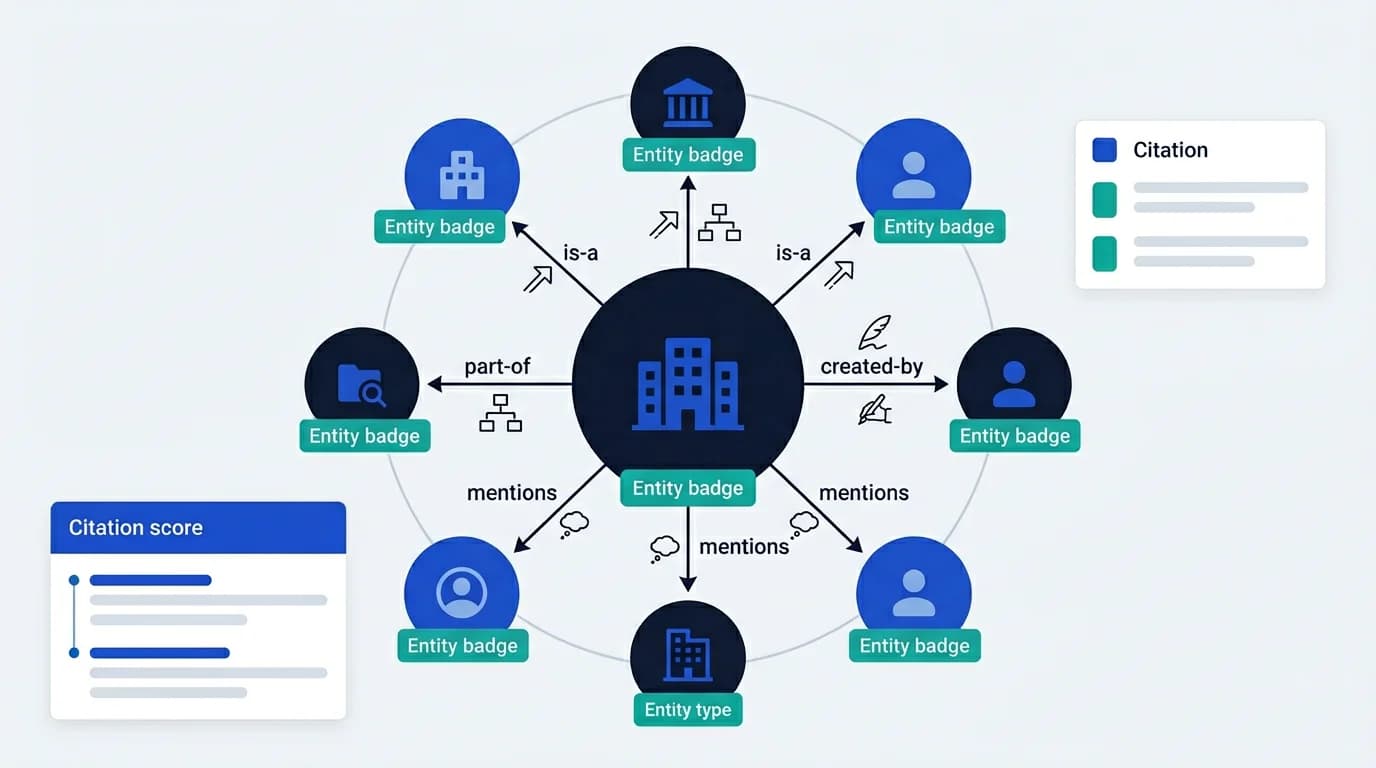
This guide explains what entity SEO means in practice, how citation readiness differs from ordinary indexation, and what technical teams should do to make high-value pages easier for answer engines to trust and cite.
What entity SEO means in practice
Entity SEO is the practice of making the important people, organizations, services, products, concepts, and relationships on a page easier for machines to recognize consistently.
What entity clarity looks like on the page
In practical terms, that means the page should make it clear:
- what the main entity is
- what supporting entities are present
- how those entities relate to one another
- which facts belong to which entity
- how the route fits into the wider site graph
This is not just a structured data problem. Schema helps, but entity clarity also depends on headings, factual organization, content structure, internal links, and route-level consistency.
Citation readiness is a different goal from simple indexation
A page can be indexable and still be a weak citation source. Classical search only needs the page to be eligible for retrieval and ranking. AI search often asks more. The answer engine may need to summarize the page, extract claims, compare facts against other sources, and decide whether the route feels trustworthy enough to cite.
That changes the optimization question from:
- "can this page rank?"
to:
- "can this page be used as source material?"
This is why citation readiness belongs next to AI visibility, not just classic SEO. Answer engines need routes that are not only discoverable, but also interpretable and stable.
Why entity clarity affects citation quality
If the page mixes multiple entities without clear boundaries, the answer engine has to infer too much. That increases the risk of weak attribution, inaccurate summaries, or complete omission from generated answers.
Common entity-clarity problems
Common entity-clarity problems include:
- vague page purpose
- inconsistent naming between title, heading, and body
- mixed service and editorial intent on the same route
- unsupported claims with weak factual structure
- entity definitions that only appear after hydration
These issues make the route harder to compress into trustworthy source material. The model may still use the page, but it is less likely to treat it as a clean citation target.
What makes a page citation-ready
Citation readiness is mostly about source usability. A citation-ready page usually has:
- one clear primary topic
- facts grouped around that topic in a predictable structure
- stable naming for the brand, product, or service
- visible supporting evidence such as specifications, comparisons, or scoped explanations
- machine-readable markup that reinforces the same entity model
- content that appears in the first response, not only after runtime assembly
The best citation-ready pages do not feel vague. They feel extractable.
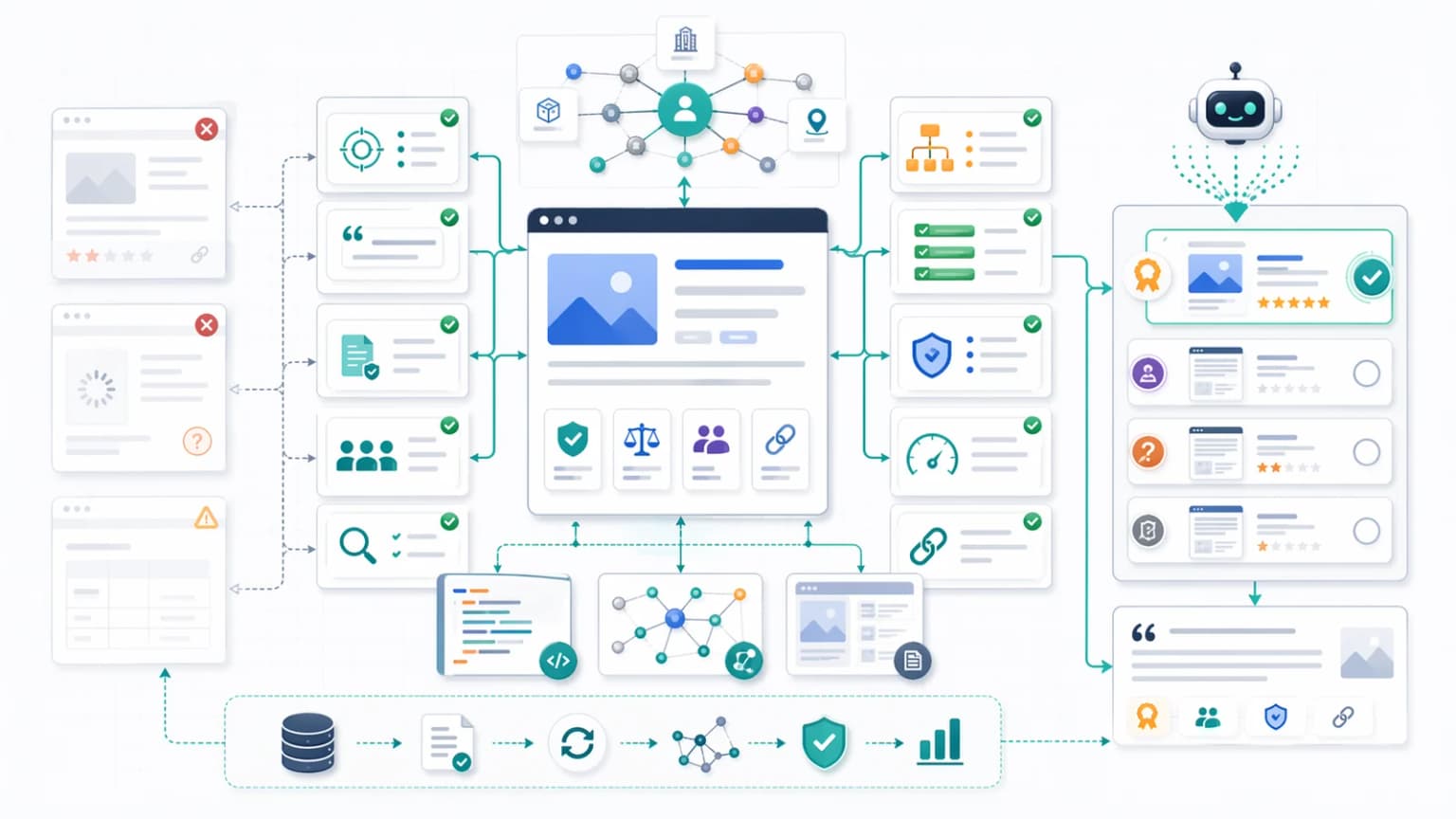
Structured data helps, but it is not the whole answer
Schema is useful because it reinforces entity relationships in a way machines can parse directly. But schema alone cannot make a weak page citation-ready.
It still has to align with:
- visible headings
- factual sections
- canonical stability
- route purpose
- the machine-facing HTML that bots actually receive
This is why the deeper implementation layer is covered in structured data for AI visibility. Schema is one part of the answer. Citation readiness is the larger system around it.
Factual formatting matters more than teams expect
Answer engines work well with content that is easy to compress into discrete, attributable facts. That does not mean everything has to become robotic. It means the page should reduce ambiguity.
Formatting patterns that improve citation
Patterns that often improve citation readiness include:
- scoped definitions
- compact factual sections
- comparison tables
- direct question-and-answer blocks
- clearly labeled service or product attributes
- concise supporting evidence near the claim
The key is not writing for a machine alone. It is writing in a way that helps both machines and humans identify what is actually being said and who it is about.
Route-level consistency matters for source trust
If the page title says one thing, the heading says another, the schema names a third entity, and the canonical points somewhere else, the route becomes harder to trust as a clean source.
Citation-ready routes usually keep these systems aligned:
- title
- H1
- canonical URL
- schema
name - schema
url - main factual theme of the page
This is one reason citation readiness overlaps with canonical issues on JavaScript websites and Next.js rendering decisions for SEO and AI visibility. Source trust depends on route stability.
AI search rewards pages that are easy to compare
Answer engines often compare multiple sources before deciding what to cite. If your page is vague, bloated, or structurally inconsistent, it becomes harder to compare against a cleaner competitor document.
What answer engines extract during comparison
Pages tend to perform better as citation candidates when they make it easy to extract:
- what the entity is
- what problem it solves
- what differentiates it
- what claims are factual
- how the information fits a larger topic cluster
This is one reason thin marketing language often underperforms in AI search. It sounds polished to humans but offers little stable structure for source comparison.
Citation readiness depends on machine-facing delivery too
A page cannot be citation-ready if answer engines never receive the meaningful version of it. If critical facts, entity labels, or supporting sections appear only after hydration, the route may look weaker than it really is.
Delivery requirements for citation-ready routes
That is why citation readiness still depends on:
- raw HTML quality
- prerendered or server-rendered output
- visible schema before hydration
- stable metadata and canonical behavior
- route-level consistency across fetch contexts
This overlaps directly with SEO for ChatGPT, SEO for Perplexity, and AI visibility tool integration. The source has to be readable before it can be cited.
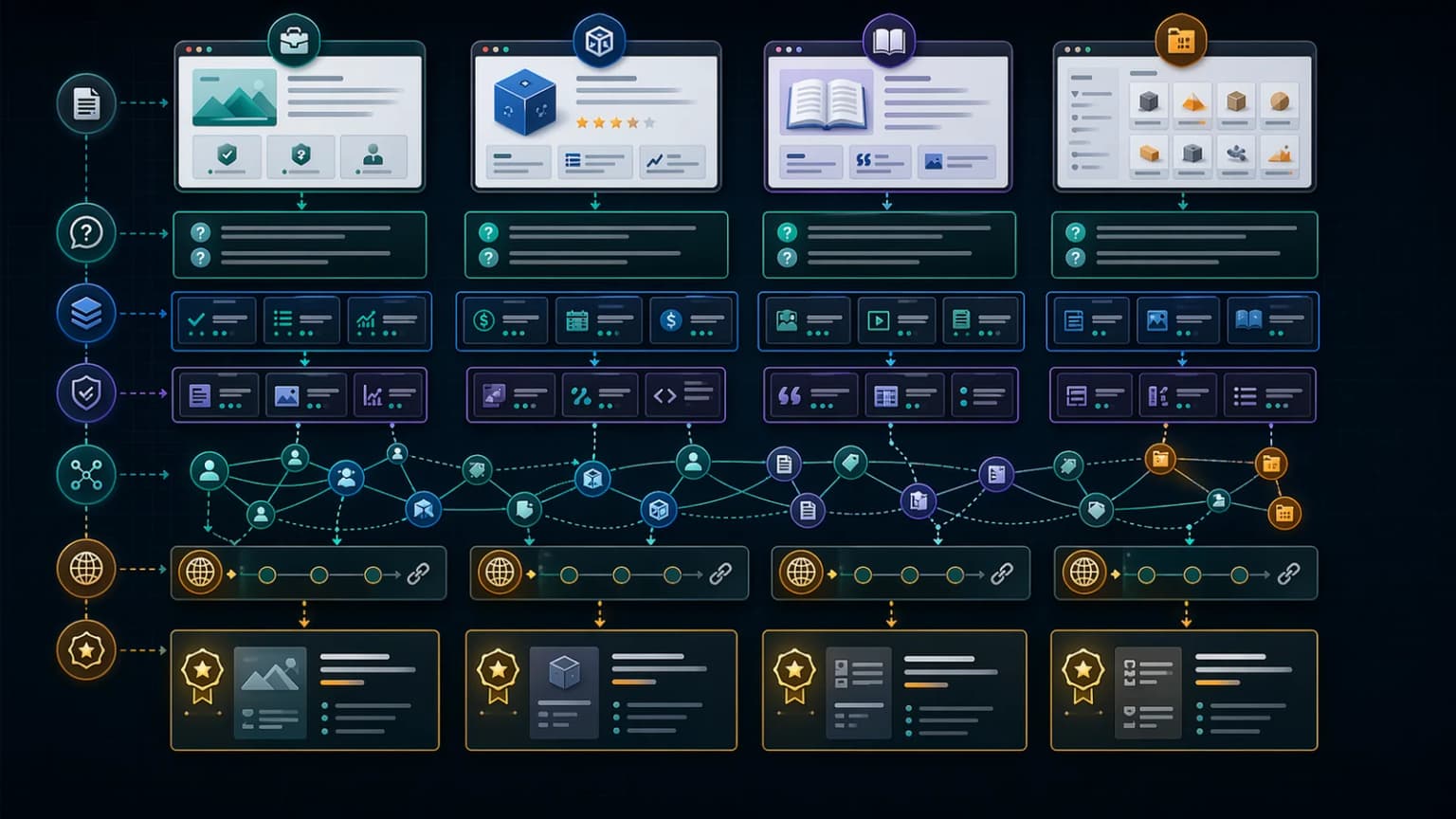
A practical entity model for citation-ready pages
The strongest implementations usually treat citation readiness as a template problem, not a one-off writing trick.
| Page type | Main entity question | Citation-friendly pattern |
|---|---|---|
| Service page | What service is being described? | Service definition, scope, buyer questions, evidence |
| Product page | What product is being evaluated? | Attributes, specs, offers, differentiators |
| Editorial guide | What concept is being explained? | Clear definitions, comparisons, factual sections |
| Category page | What set of entities is being grouped? | Scoped topic summary, item relationships, navigable structure |
The page should answer the entity question clearly before it tries to persuade.
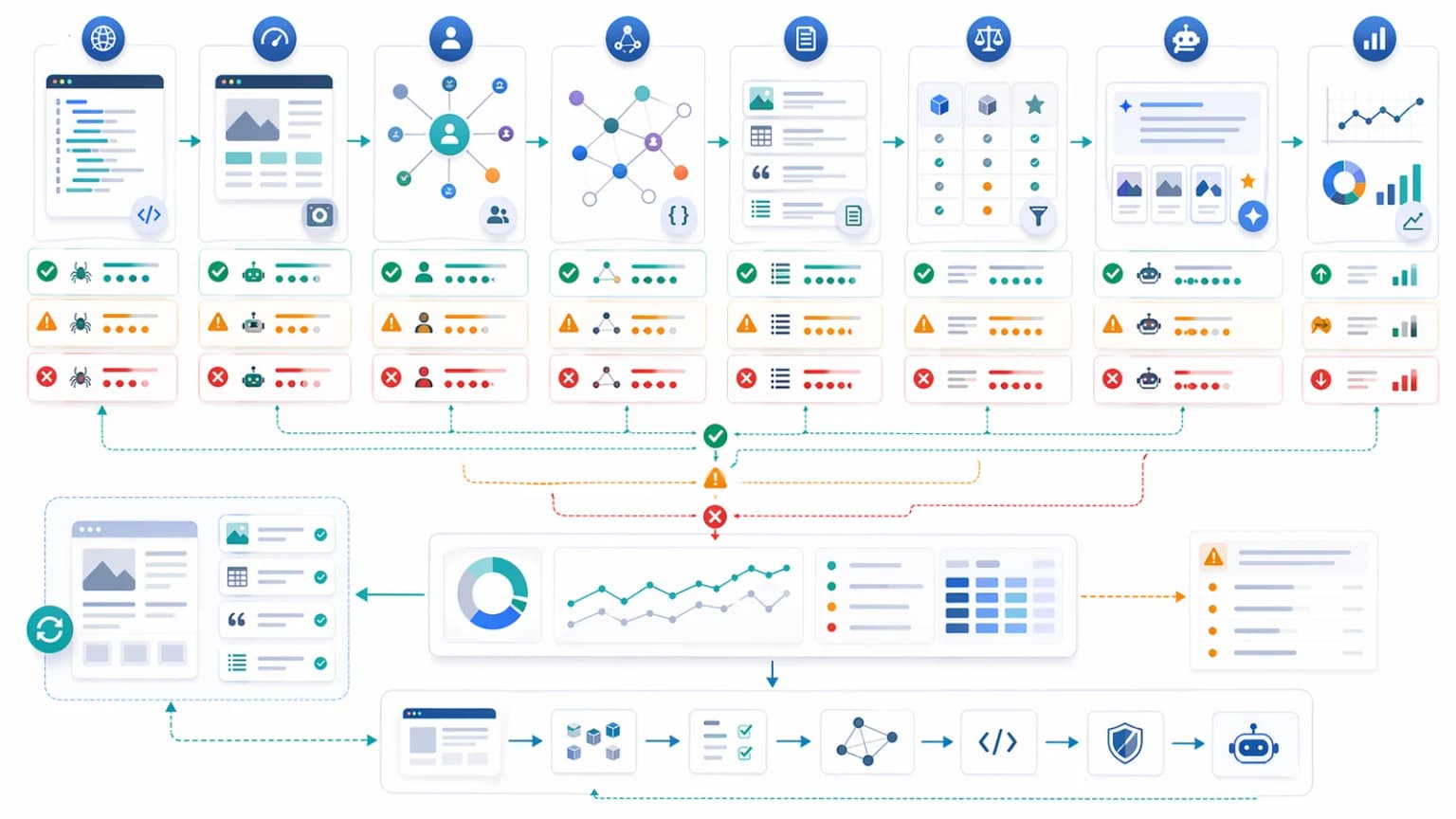
How to validate citation readiness
The strongest validation workflow usually includes:
- Inspect the raw and prerendered HTML for the route.
- Confirm the primary entity is obvious in headings, body, and schema.
- Check whether important facts are grouped clearly enough to quote or summarize.
- Validate the entity graph with a JSON-LD validator.
- Compare the route with adjacent competitors or internal alternatives to see which source is structurally easier to cite.
This process helps separate "the page has information" from "the page is source-ready."
Common mistakes to avoid
The most common citation-readiness mistakes are:
- mixing too many entities on one route
- using polished but vague marketing language instead of extractable facts
- leaving schema disconnected from the visible content
- changing the page meaning across rendering states
- hiding the most useful information behind interactions or hydration
- assuming indexation automatically leads to citation
These mistakes often make a page discoverable but not compelling as a trustworthy source.
Conclusion
Entity SEO and citation readiness are about source clarity. They help answer engines understand what the page is about, which facts belong to which entity, and why the route deserves to be treated as reliable material for generated answers.
The strongest teams do not stop at getting the page indexed. They make the route easier to parse, easier to compare, and easier to trust. That is what turns a page from visible content into citation-ready source material.
Content Cocoon
Entity SEO and Citation Readiness Cluster
This article should connect entity clarity and citation readiness back to structured data, machine-readable content, and the broader AI visibility systems that help answer engines trust a route as source material.
Internal Pathways
Structured Data for AI Visibility
A companion article focused on JSON-LD, schema modeling, and route-level machine-readable entity exposure.
AI Visibility Tool Integration
Useful when citation readiness needs to be connected back to measurement, inclusion tracking, and answer-engine reporting.
SEO for ChatGPT
Relevant when teams want entity clarity and source trust to support real answer-engine retrieval and citation behavior.
AI Search Visibility Service
The parent service for teams improving answer-engine extraction, entity signals, and machine-readable source quality.
External Technical References
JSON-LD Validator
Helpful for validating whether entity relationships are exposed clearly inside the machine-readable graph.
View as Bot vs Prerender
Useful when checking whether citation-critical facts and entity definitions are visible before hydration.
How AI Agents Crawl Websites
A strong reference for why machine-readable source quality matters for answer-engine retrieval.
Frequently Asked Questions
What is entity SEO in the context of AI search?+
Entity SEO is the practice of making the main topics, brands, products, services, and relationships on a page easier for machines to recognize and interpret consistently.
What does citation readiness mean?+
Citation readiness means a page is structured clearly enough to be used as source material by answer engines, with stable facts, clear entity definitions, and machine-readable support.
Does structured data alone make a page citation-ready?+
No. Structured data helps, but citation readiness also depends on visible factual structure, route-level consistency, and whether machines receive the meaningful page version in the first response.
Why can a page be indexed but still not cited in AI search?+
Because indexation only proves the page is in the search system. Citation depends on whether the route is clear, trustworthy, and easy for answer engines to extract as source material.