AI Overviews and other zero-click answer formats are changing what visibility means. Since Google's AI Overviews announcement, a page can still rank, but the user may never need to click if the answer surface already summarizes the topic. That does not make technical SEO less important. It makes the machine-facing source layer more important because the page now has to work as input for an answer system, not only as a destination for a click. As of April 2026, AI Overviews have expanded across more query categories, which means more routes are competing to be cited rather than clicked.
This changes the optimization problem. The goal is no longer just to help a page appear in results. The goal is to help the right route become trustworthy source material for generated answers, summaries, and comparisons. That requires stronger route design, better entity clarity, cleaner machine-readable structure, and more stable first-response HTML, supported by E-E-A-T signals the answer layer can verify.
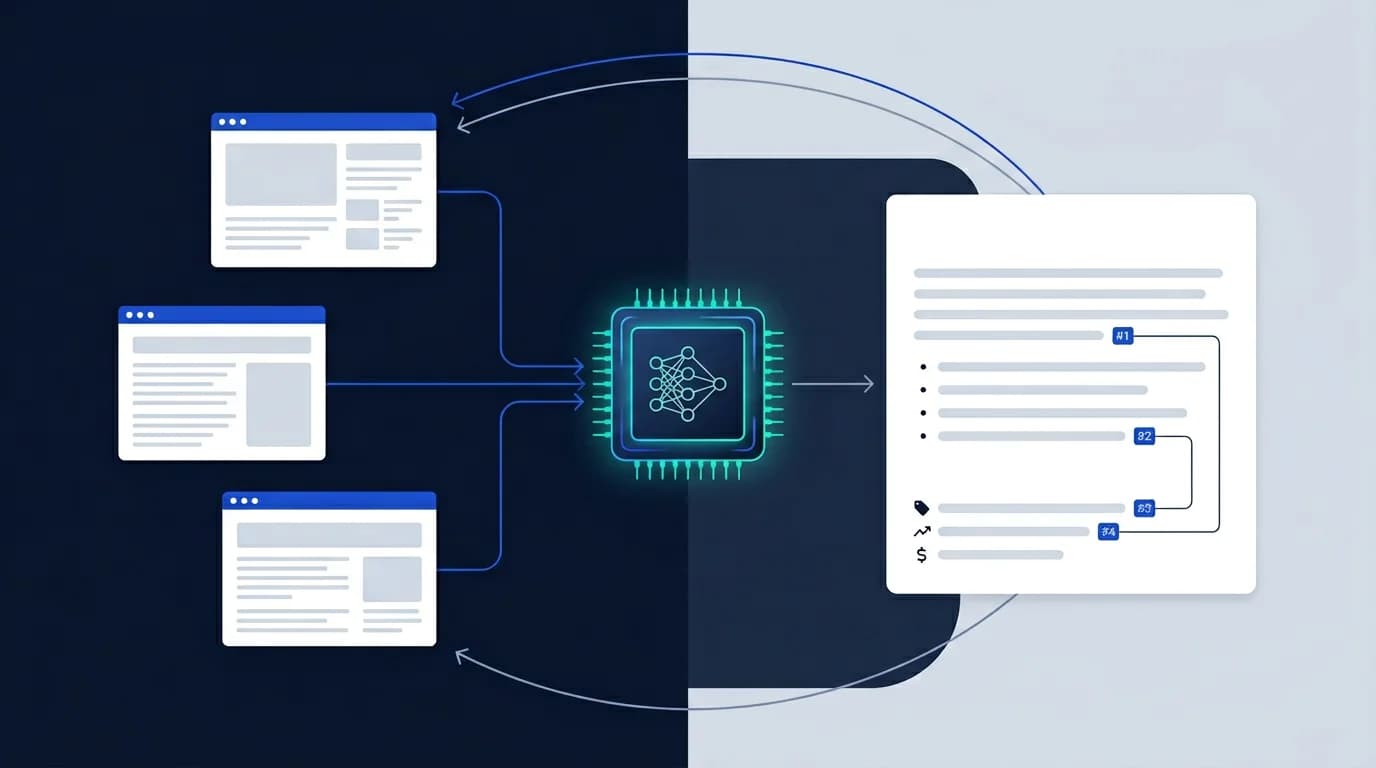
This guide explains how technical teams should think about zero-click visibility, which route patterns are most likely to support AI Overviews, and what systems matter when a site needs to be useful before the click ever happens.
Zero-click visibility is really a source architecture problem
Teams often react to AI Overviews as if they were mainly a SERP-feature problem. In practice, they are a source-architecture problem.
Answer systems need pages that are:
- easy to fetch
- easy to interpret
- easy to compare with competing sources
- stable enough to trust
- structured enough to summarize
That means zero-click visibility depends on whether the site exposes clear source routes, not just on whether the brand publishes more content.
A route now has two jobs instead of one
Historically, a page mainly needed to earn a click. Now many important pages need to do two jobs:
- act as a trustworthy source for answer systems
- still convert or educate when the user does click through
These jobs overlap, but they are not identical. A good source route usually makes the main answer clear early, keeps factual blocks scoped, and reduces ambiguity around the primary entity. A good click-through destination may include richer persuasion, navigation, and expansion paths after that core answer is established.
This is why zero-click visibility sits close to entity SEO and citation readiness. The page has to be useful as input before it can be useful as a destination.
AI Overviews reward pages that are easy to compress
Generated answers are built from source material that can be compressed into stable claims. That means pages are more likely to support zero-click inclusion when they make it easy to extract:
- what the page is about
- what question it answers
- which entity the facts belong to
- what the core definition or recommendation is
- what supporting evidence strengthens the answer
This does not mean every page should become robotic. It means important routes should stop hiding the core answer under vague intros, decorative UI, or hydration-heavy components.
Source routes should be designed intentionally
Not every page on a website needs to become answer-surface material. The strongest teams identify which routes are most likely to serve as zero-click sources, then design those templates accordingly.
Strong source-route candidates often include:
- editorial explainers
- comparison pages
- glossary and definition pages
- high-trust service explainers
- product or feature pages with structured attributes
Which pages rarely make good source routes
Weak candidates usually include:
- generic campaign landers
- pages with very thin unique value
- routes whose meaning changes across query states
- pages where the answer only appears after interaction
The point is not to make the whole site answer-shaped. The point is to define which parts of the site should serve as source infrastructure.
Zero-click visibility depends on machine-readable clarity
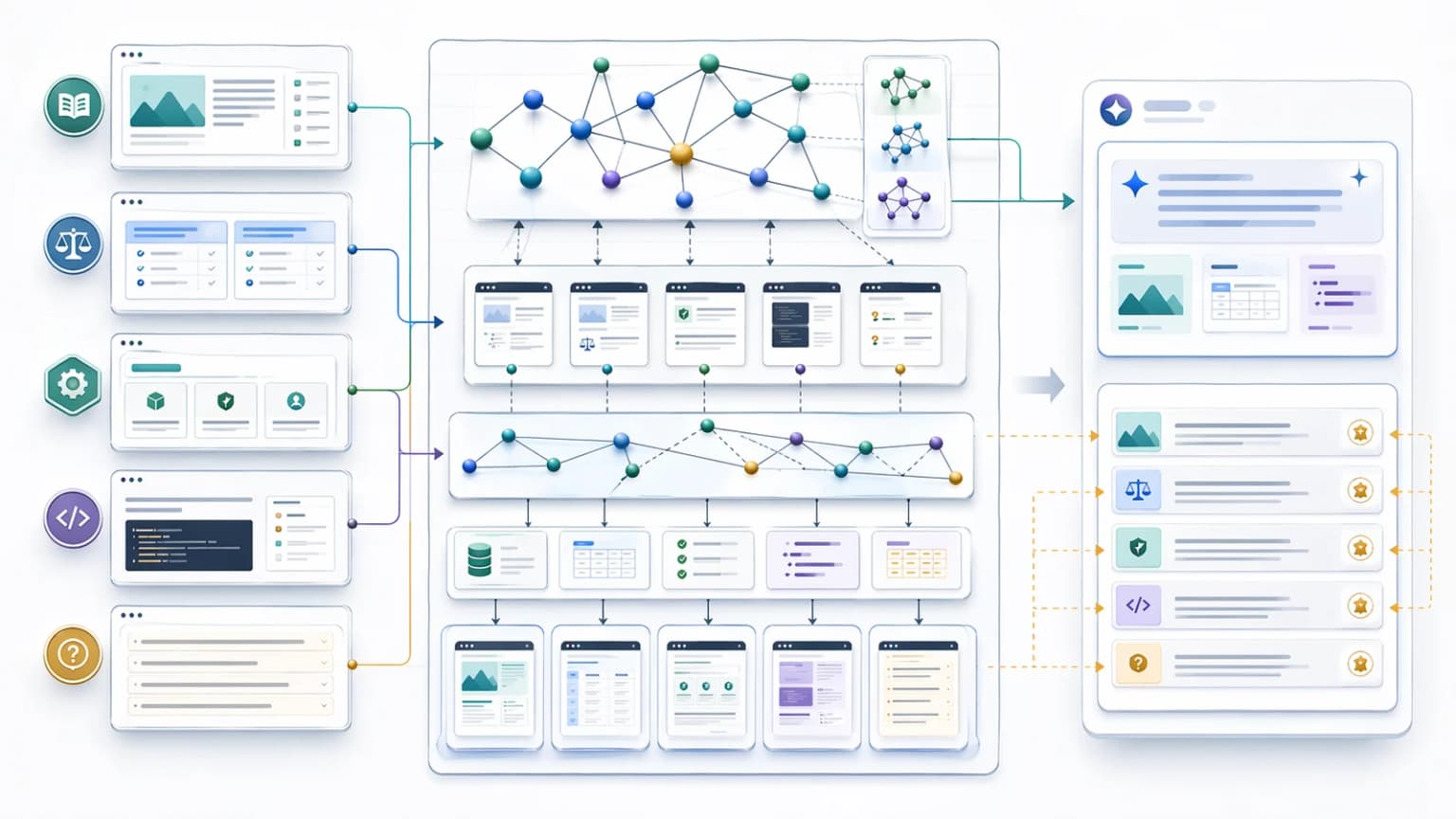
Answer systems compare and summarize across multiple sources, so they benefit from routes that expose a clean machine-readable layer.
That usually means:
- stable canonical URLs
- consistent titles and headings
- structured data aligned with the visible content
- explicit entity relationships
- trustworthy route purpose
This is why zero-click architecture overlaps directly with structured data for AI visibility and canonical issues on JavaScript websites. If the route cannot clearly declare what it is, it becomes harder to use as source material.
The first response matters more than ever
AI Overviews are still downstream of crawler behavior. If the route ships thin HTML and pushes the real answer into client-side rendering, the page becomes a weaker source candidate even if the fully hydrated UI looks excellent to human users.
Technical review steps for first-response quality
That is why technical review should include:
- raw HTML inspection
- prerender or SSR validation
- metadata and schema parity
- route-level canonical checks
- sampled bot-facing fetches on real URLs
In JavaScript-heavy stacks, this is where Next.js rendering decisions for SEO and AI visibility and prerendering stop being optional theory. They become source-delivery infrastructure.
Citation probability and click probability are different metrics
A page can be excellent for zero-click inclusion and still produce fewer direct clicks. That does not automatically mean the page is underperforming. It may mean the route is now doing more of its work in the answer surface itself.
Metrics worth separating
That is why teams should separate:
- click-driven performance
- source inclusion performance
- citation frequency
- topic ownership in answer surfaces
If these metrics are collapsed into one traffic-only dashboard, the team may misread zero-click visibility as pure loss instead of as a shift in how the route creates value.
Internal linking still matters in a zero-click world
Even when visibility happens before the click, the site still needs strong internal architecture. Internal links help answer systems understand which pages are central, how topics relate, and which routes deserve more crawl and trust.
The best internal-linking patterns for zero-click source routes usually:
- connect explainers to related definitions
- connect commercial pages to supporting editorial proof
- reinforce parent-child topic relationships
- reduce isolation of high-value source routes
This is one reason zero-click strategy should still live inside broader technical SEO rather than floating off as a standalone AI experiment.
AI Overviews favor consistency across route systems
Answer systems work better when the site repeats the same logic consistently. If one route family uses clear entities, strong schema, and direct factual formatting, but adjacent pages are vague or unstable, the overall source layer becomes less coherent.
Where consistency matters most
Consistency matters across:
- editorial templates
- service pages
- comparison pages
- glossary routes
- knowledge-hub architecture
The strongest sites make these route systems feel like one source graph, not a set of disconnected page experiments.
Measurement has to evolve with the answer surface
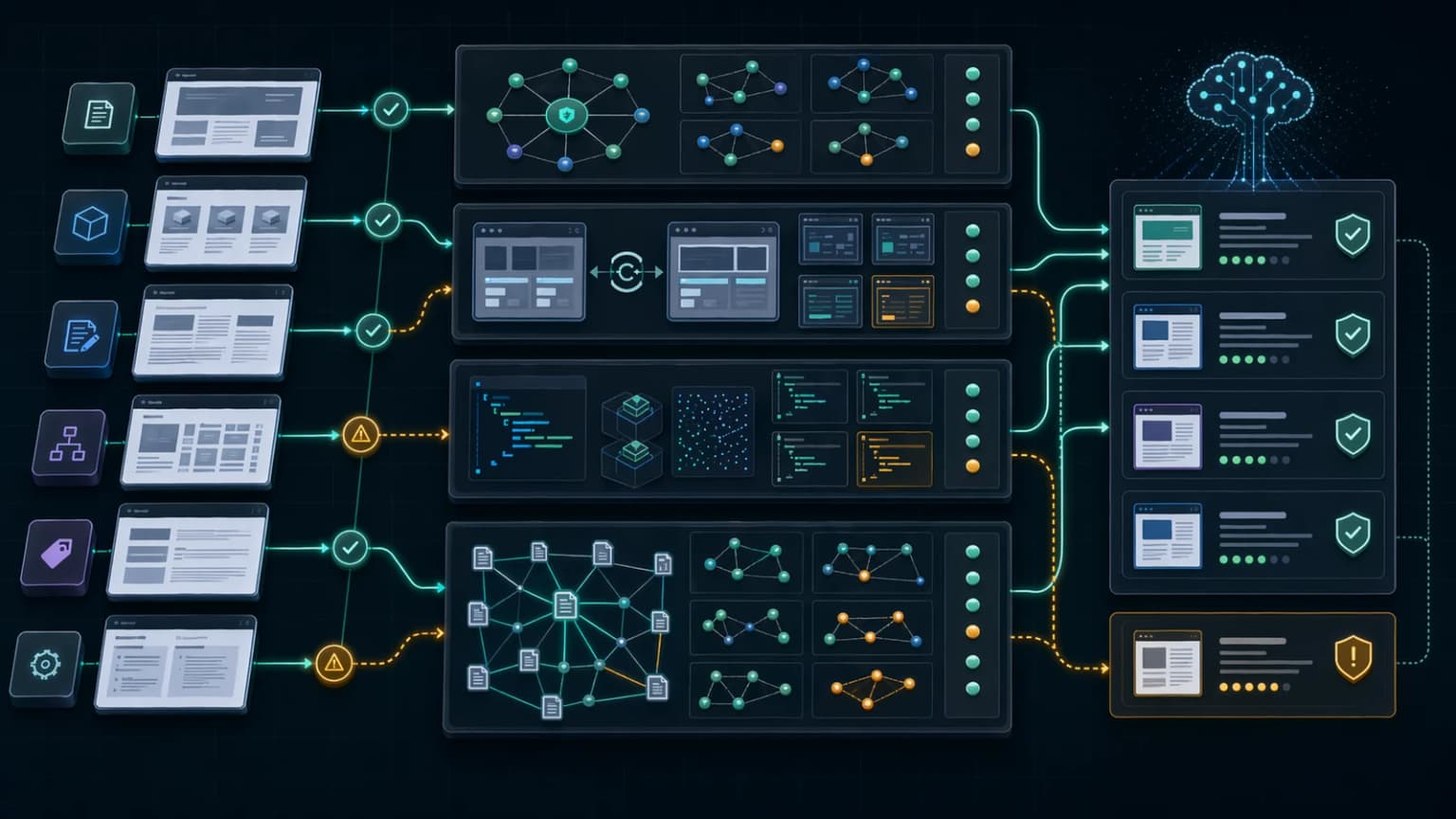
Traditional SEO reporting focuses on rankings, impressions, and clicks. Those metrics still matter, but they do not fully capture whether a site is becoming usable source material for AI Overviews.
What to track beyond clicks
A stronger measurement model usually tracks:
- which routes are repeatedly cited or surfaced
- which topics the brand appears on without direct clicks
- whether answer-facing routes have stable machine-readable output
- whether source-route families are improving in inclusion quality over time
This is where AI visibility tools become useful. The team needs a way to observe inclusion, not just traffic.
A practical template for zero-click-ready pages
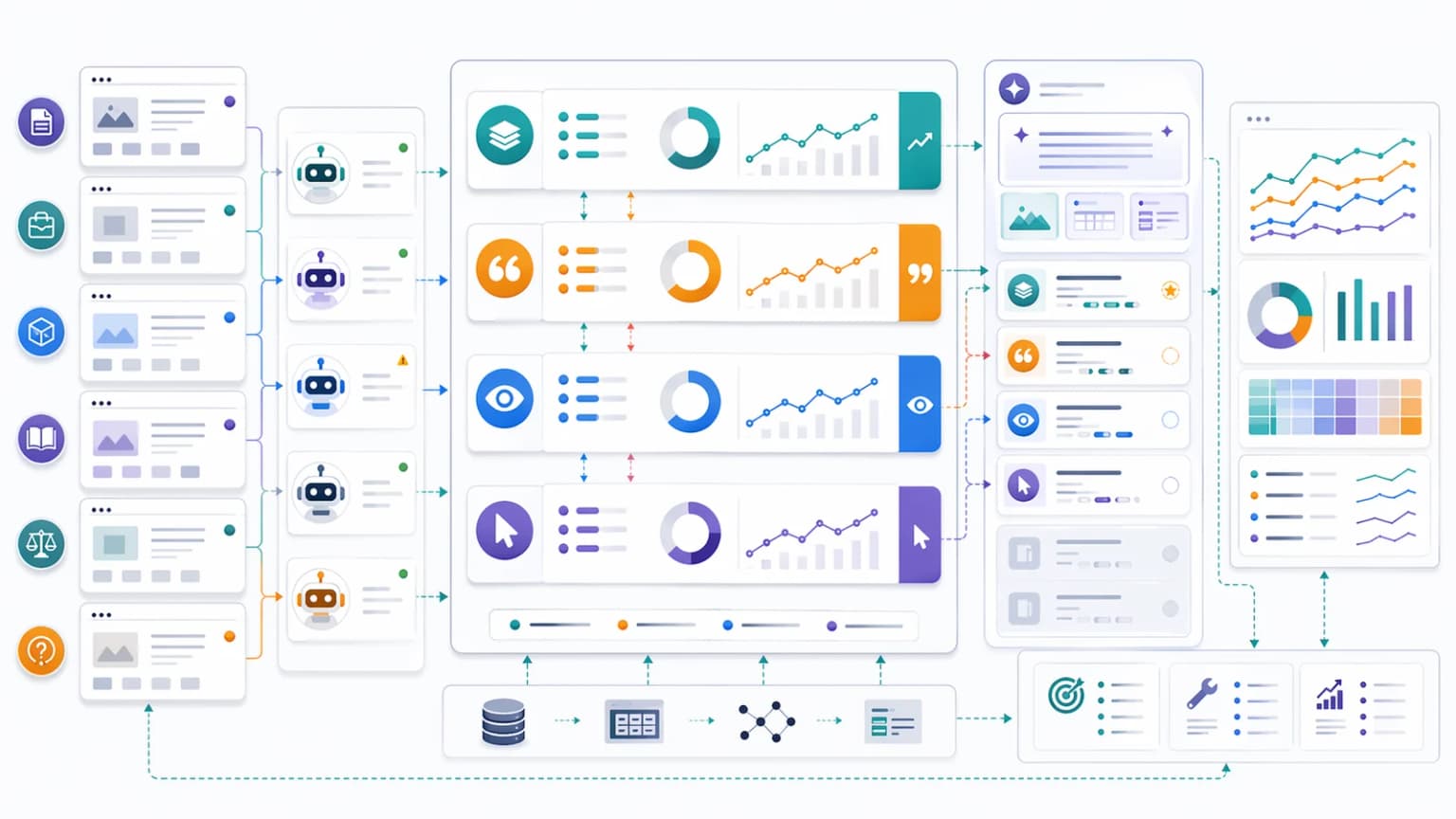
The strongest answer-facing routes often follow a simple structural logic:
- Clear title and scoped entity or question
- Direct answer or definition early on the page
- Supporting sections with labeled facts, examples, or comparisons
- Structured data aligned with the visible content
- Stable internal links into the surrounding topic cluster
This is not a copywriting trick. It is a delivery pattern that makes the page easier to interpret, summarize, and trust.
Common mistakes to avoid
The most common zero-click visibility mistakes are:
- treating AI Overviews as a separate channel from technical SEO
- chasing mention volume instead of source-route quality
- relying on vague content that is hard to summarize
- shipping critical facts only after hydration
- measuring only clicks while ignoring inclusion
- trying to make every page an answer surface
These mistakes usually come from optimizing for buzz around AI search instead of optimizing the source layer itself.
Conclusion
AI Overviews and zero-click answer formats do not remove the need for technical SEO. They raise the standard for it. The site now needs routes that work as trustworthy source material before the user ever arrives.
The teams that adapt best usually do not chase a separate "AI page strategy." They improve the underlying source architecture: clearer entities, stronger route purpose, machine-readable structure, stable rendering, and better measurement of inclusion beyond the click.
Content Cocoon
AI Overviews and Zero-Click Visibility Cluster
This article should connect AI Overviews and zero-click answer surfaces back to source-route quality, entity clarity, machine-readable structure, and the broader technical systems that decide whether a site becomes answer material instead of just a clickable result.
Internal Pathways
Entity SEO and Citation Readiness
A companion article for understanding how source clarity and route trust affect whether a page can become answer material.
Structured Data for AI Visibility
Useful when zero-click visibility depends on a stable machine-readable entity layer and extraction-ready markup.
LLMs.txt and AI Crawl Directives
Relevant when teams want to align answer-engine source guidance with the pages most likely to support zero-click inclusion.
AI Search Visibility Service
The parent service for teams improving answer-engine inclusion, source trust, and machine-facing route quality.
External Technical References
Fix SEO Fundamentals for AI Overviews
Helpful for grounding zero-click visibility in technical SEO fundamentals rather than superficial prompt tactics.
How AI Agents Crawl Websites
Useful for understanding how answer systems fetch and compare source pages before surfacing them in generated answers.
JSON-LD Validator
Helpful for validating whether answer-critical routes expose a clean entity graph in the first response.
Frequently Asked Questions
What is zero-click visibility in AI search?+
It is visibility that happens when a page helps power an answer surface like an AI Overview or generated summary, even if the user never clicks through to the site directly.
Do AI Overviews reduce the value of technical SEO?+
No. They increase the value of technical SEO because answer systems still depend on crawlable, stable, machine-readable source routes.
Which pages are best for zero-click source visibility?+
Usually explainers, comparisons, definitions, entity-rich service pages, and other routes that make the main answer clear early and keep factual structure stable.
How should teams measure zero-click visibility?+
Teams should separate click performance from source inclusion, citation frequency, and topic-level answer-surface presence so valuable visibility is not mistaken for simple traffic loss.