
AI VisibilityFeatured
SEO vs AEO for Generative Search
SEO vs AEO for generative search: the technical differences, deterministic HTML delivery, and content structure that makes crawler extraction reliable.
April 9, 202610 min readRead article
Blog
A structured article hub for technical SEO systems, crawler-visible architecture, answer-engine readiness, and production-grade rendering decisions.
SEO vs AEO for generative search: the technical differences, deterministic HTML delivery, and content structure that makes crawler extraction reliable.
A structured library of engineering-focused content for technical SEO, rendering architecture, and AI search visibility.
50 articles
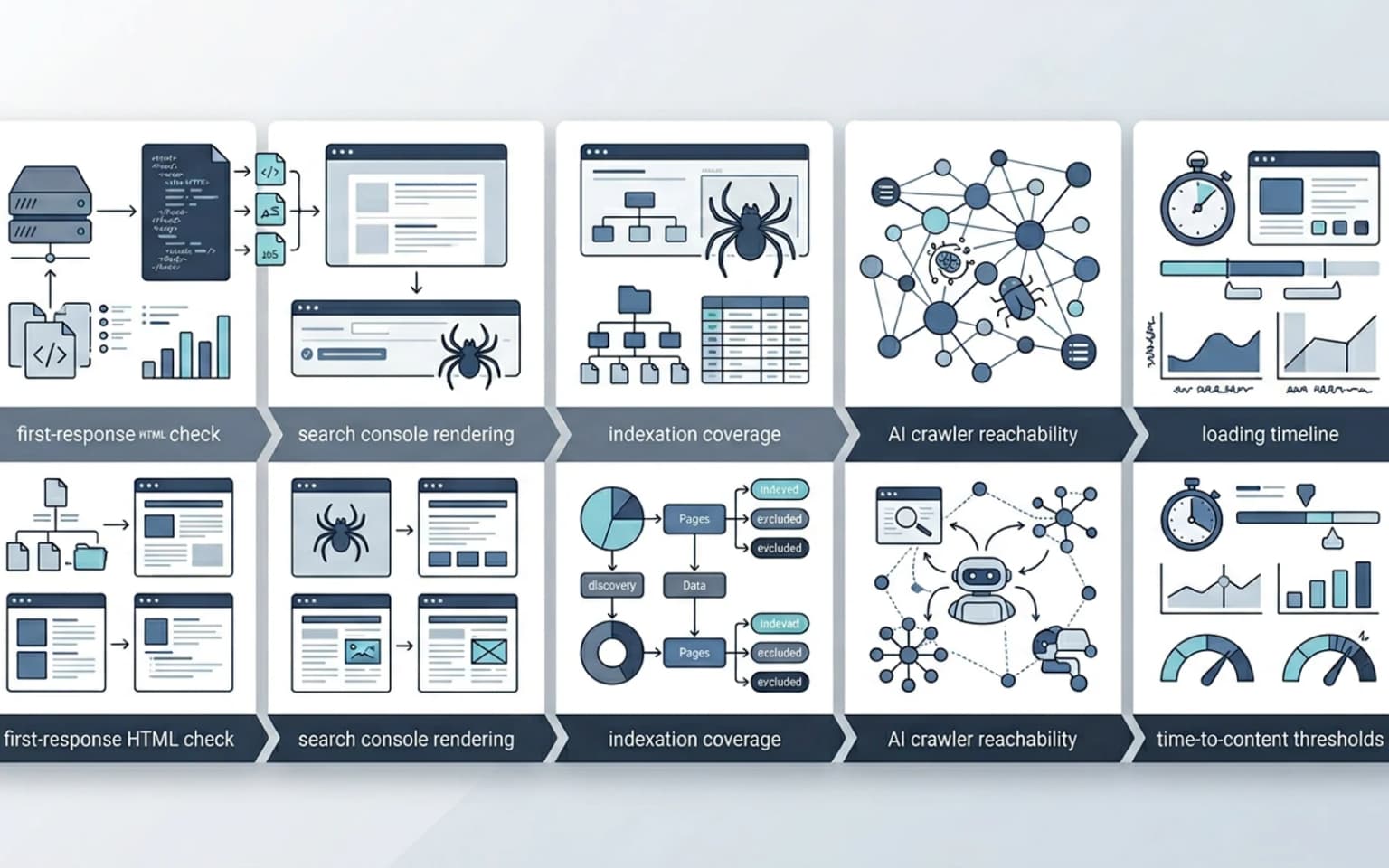
Run 5 diagnostics — first-response curl, Search Console rendering, indexation rate, AI crawler reach, time-to-content — to decide if you need prerendering.
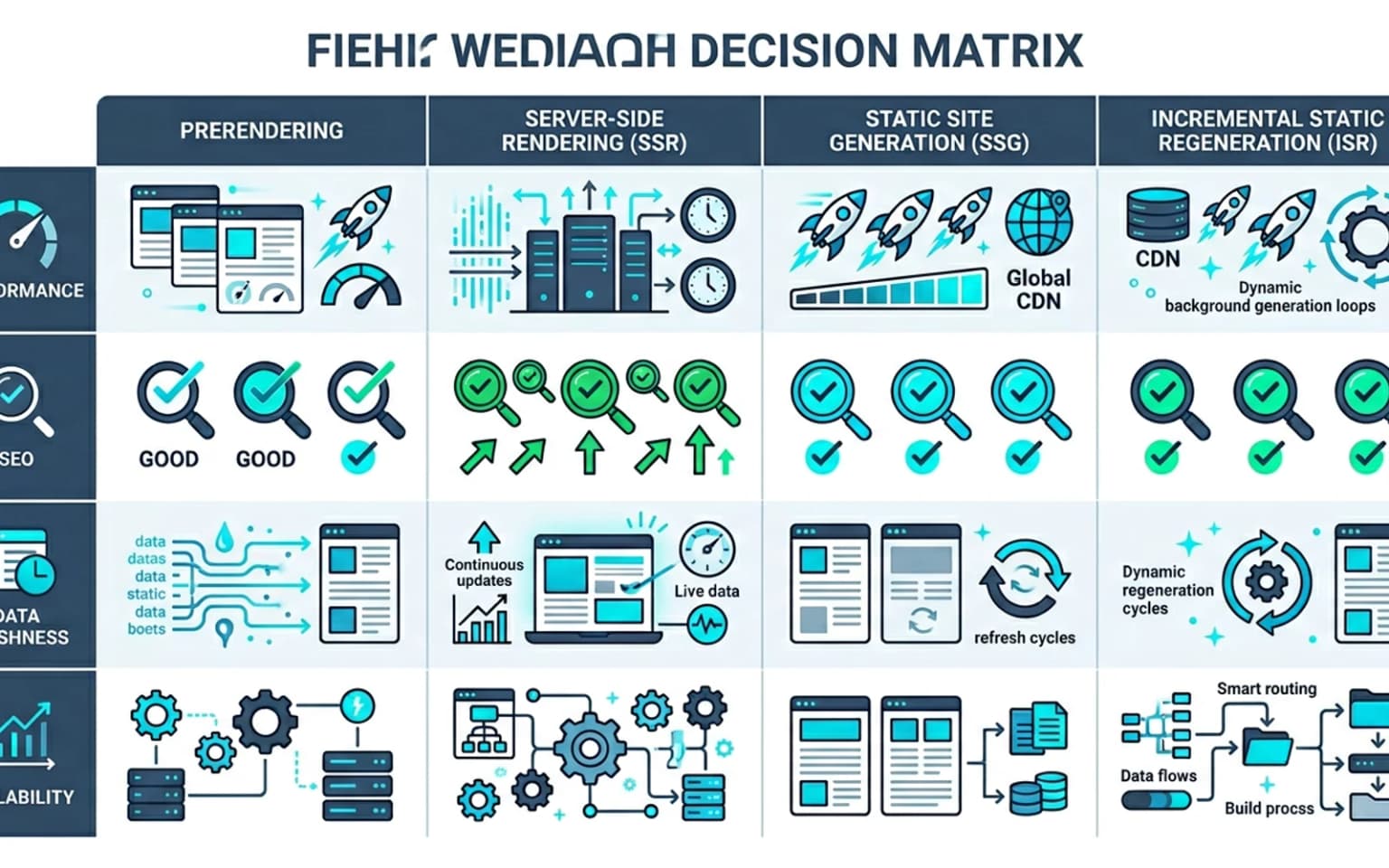
Compare prerendering, SSR, SSG, and ISR for 2026: what each rendering model does, when each one wins, and how production sites combine them route by route.
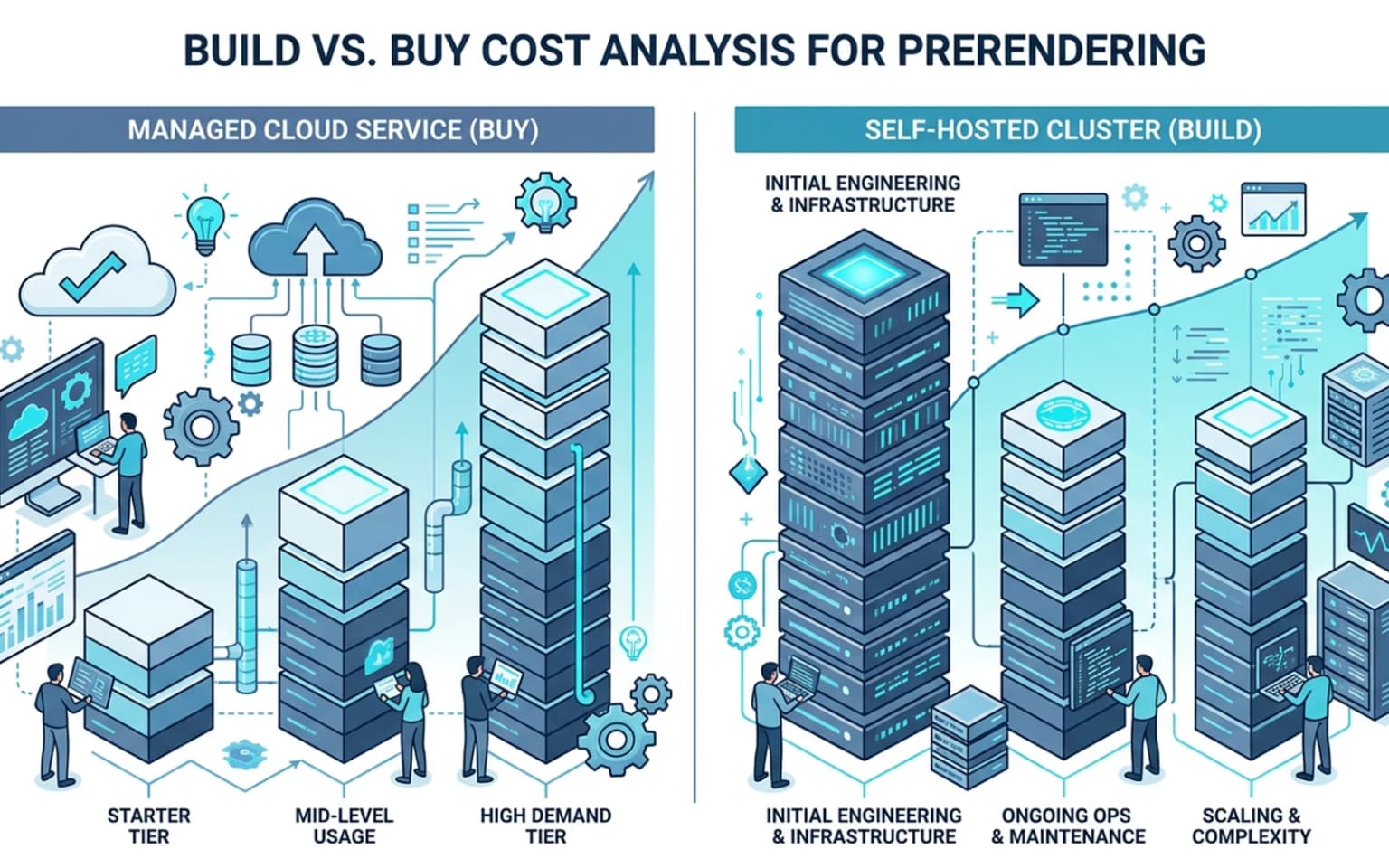
Managed prerendering vs self-hosted clusters: visible costs, hidden engineering hours, on-call burden, and the URL-volume crossover where building wins.
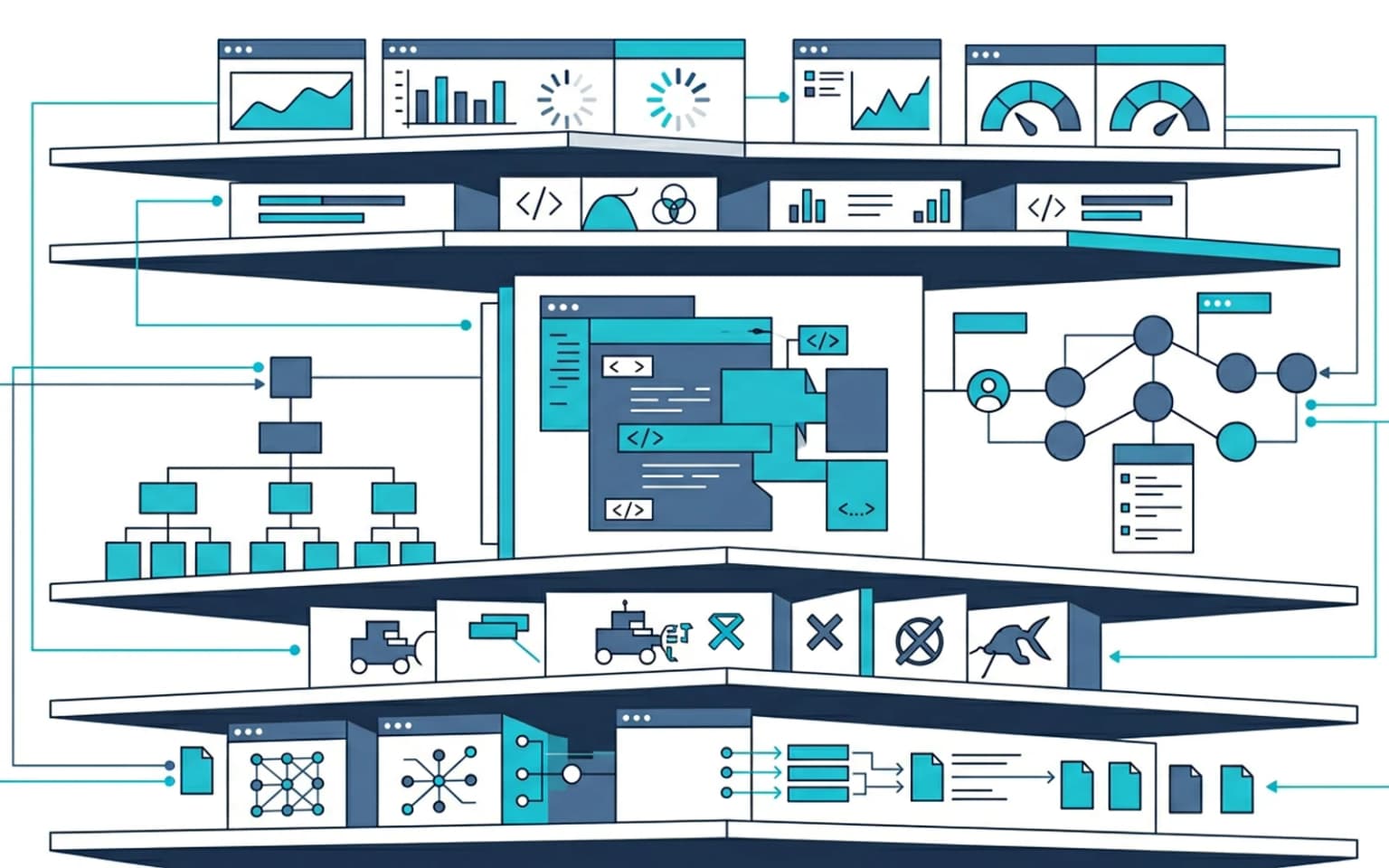
Reference for the RFCs and W3C specs behind technical SEO — HTTP, URI, robots.txt, sitemaps, HTML, JSON-LD, hreflang, performance — with SEO impact noted.
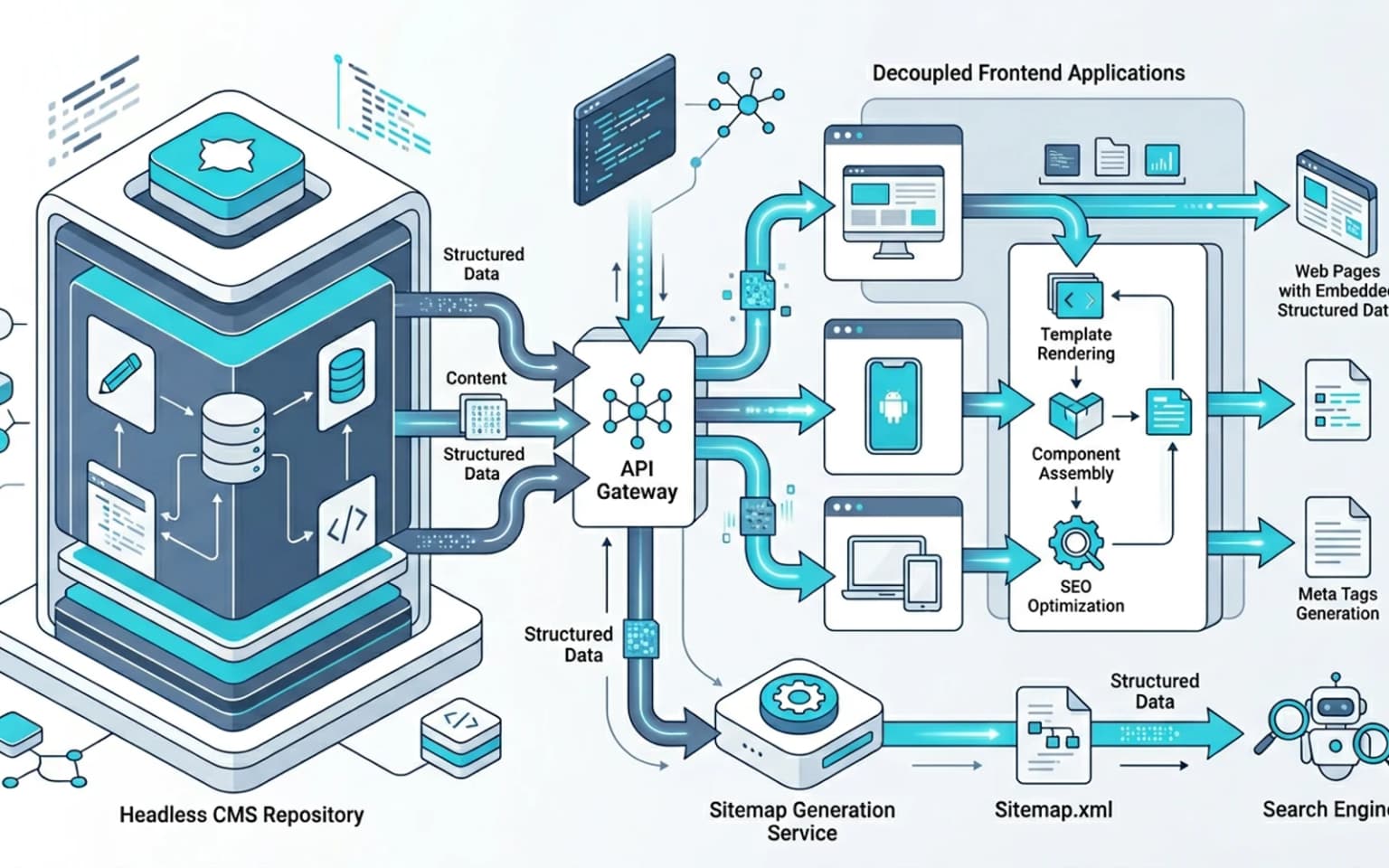
Headless CMS technical SEO: content modeling, slug history, SSG vs ISR vs SSR, sitemap pipelines, and editor workflow for Sanity, Contentful, Strapi, Hygraph.

SEO migration playbook for re-platforming: pre-migration audit, URL mapping, 301 logic, sitemap handoff, rendering parity, and the 30/60/90-day window.
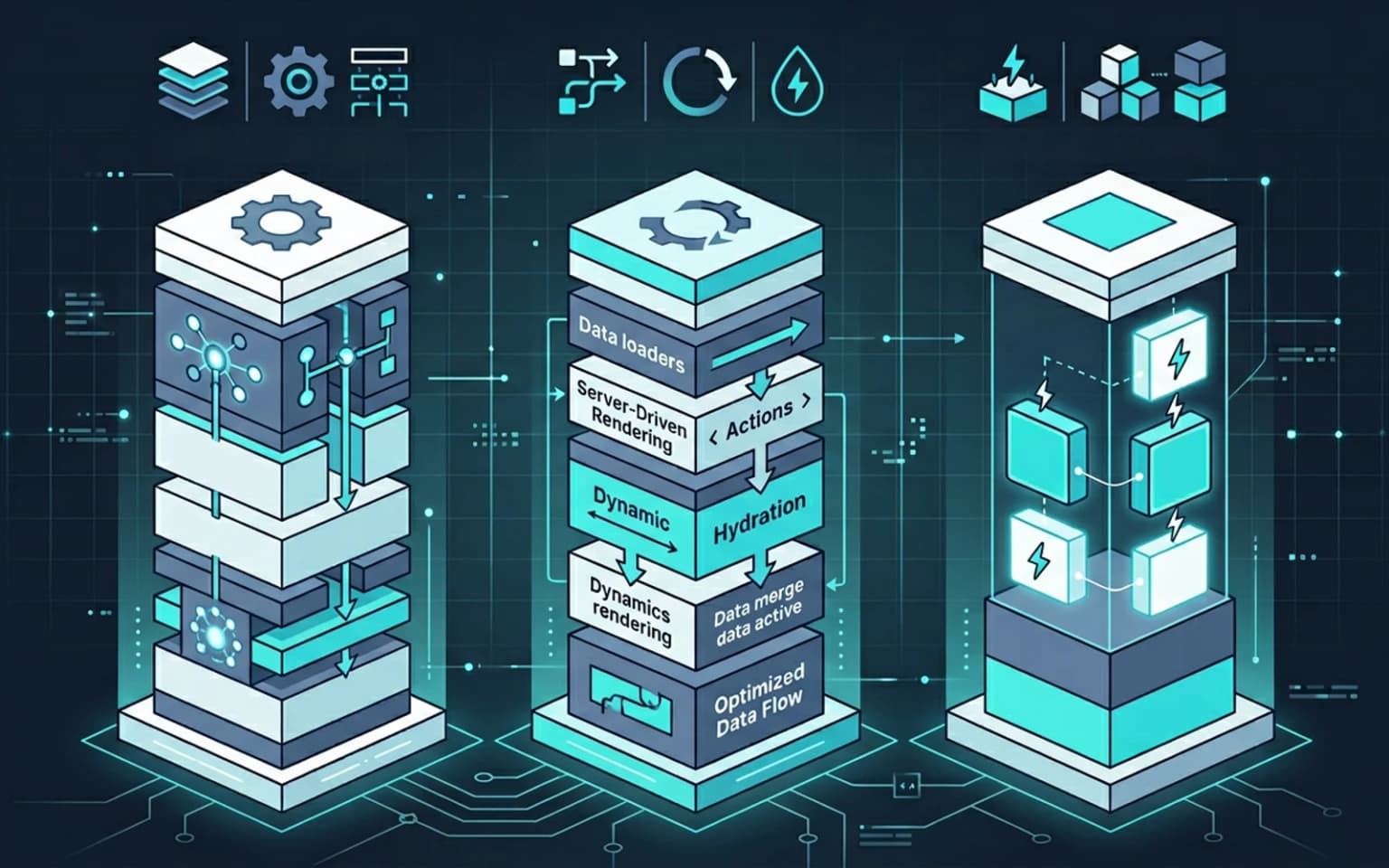
Engineering comparison of Next.js, Remix, and Astro for SEO: rendering models, hydration cost, default failure modes, and which framework fits which site.

Wire Lighthouse CI into PRs to catch SEO and Core Web Vitals regressions early — per-template budgets, asset caps, and assertions that do not get flaky.

Image SEO at scale on JS-heavy sites: AVIF/WebP choice, srcset, alt text, ImageObject schema, CDNs, and CI budgets that prevent image-driven LCP regressions.
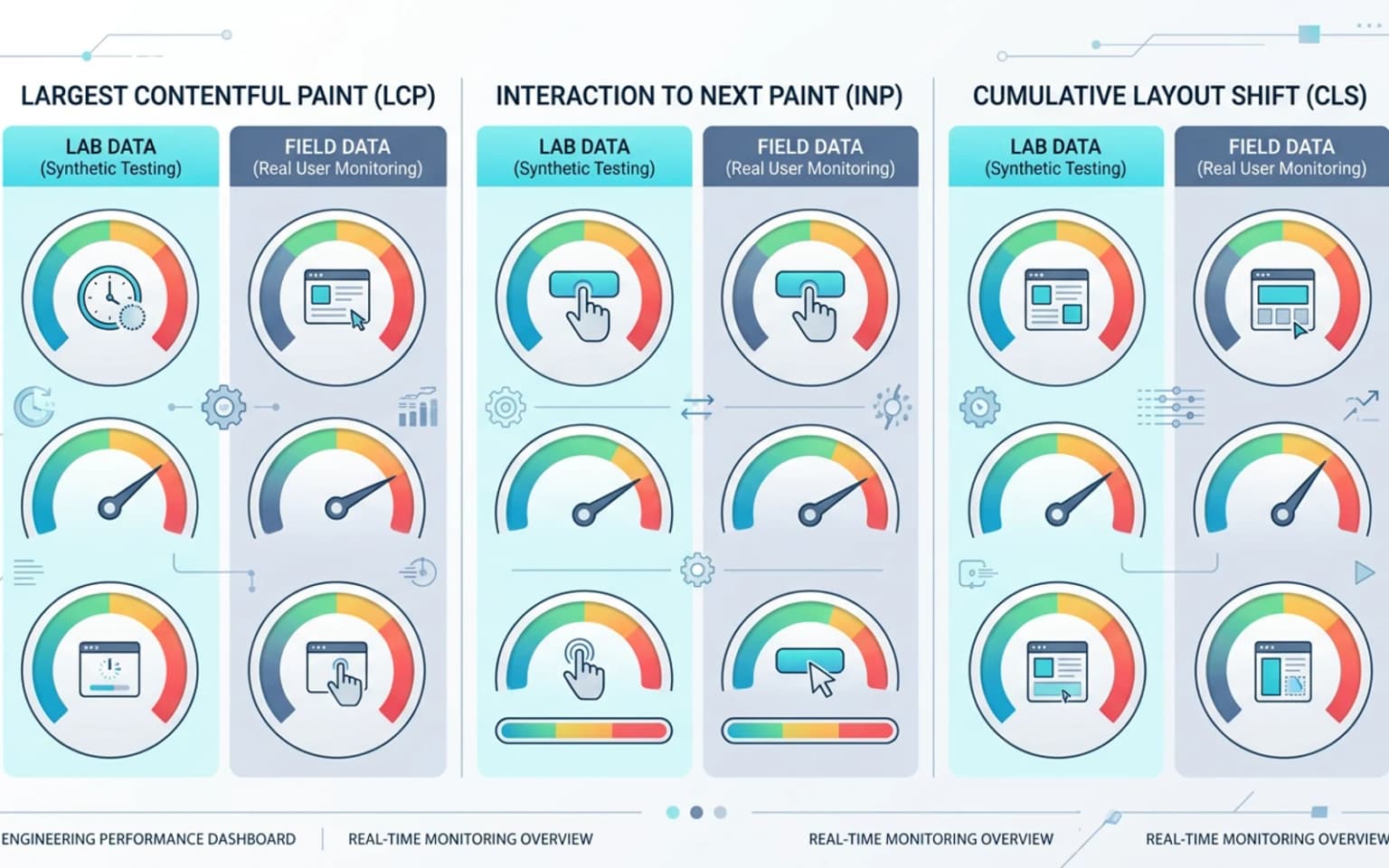
Diagnose and fix LCP, INP, and CLS on JS-heavy sites without chasing lab scores — field-data discipline, prerendering impact, and per-template budgets.

What a technical SEO audit should cover across 7 layers, how to prioritize findings by impact and effort, and the implementation-ready deliverables that ship.
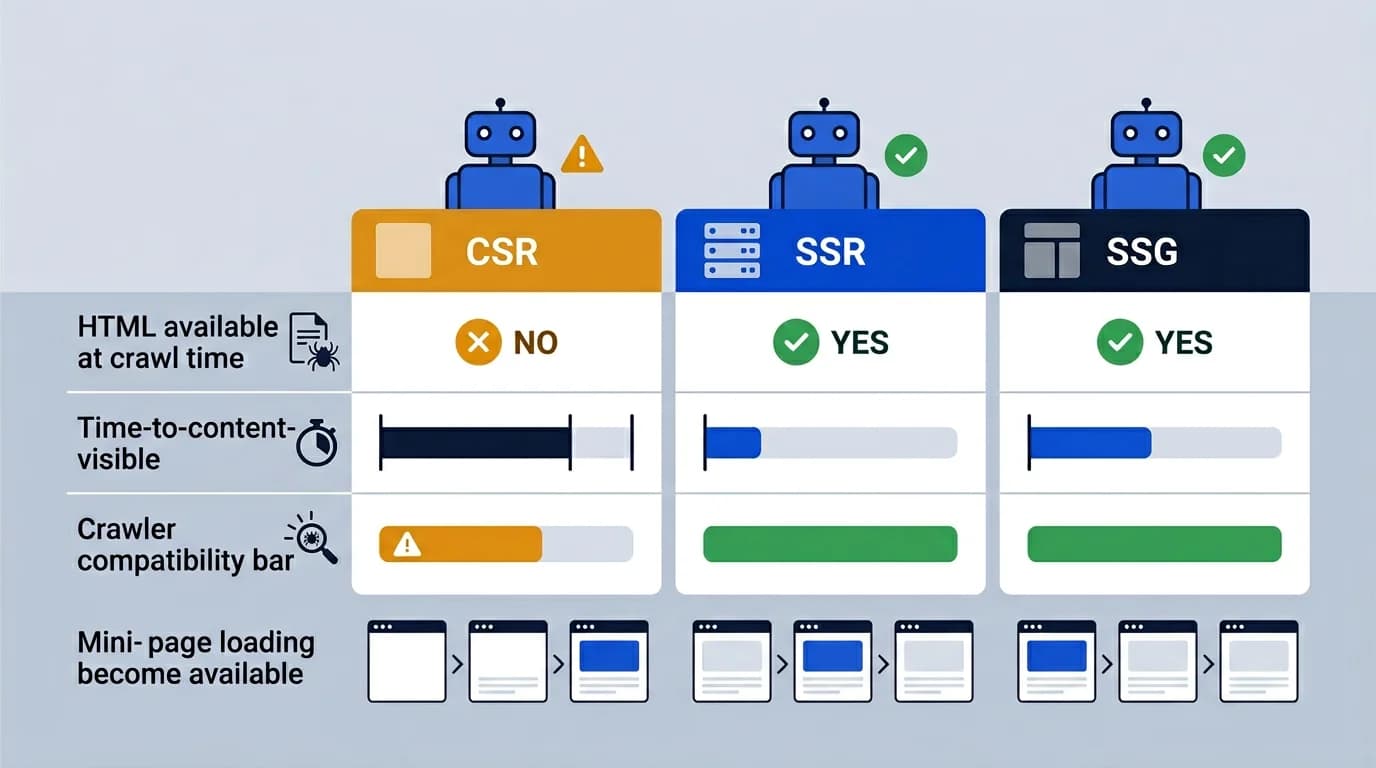
Rendering reliability, crawler-visible HTML, and indexation risk for Next.js and SPA sites — App Router failure modes, AI crawler reach, and CI gates.
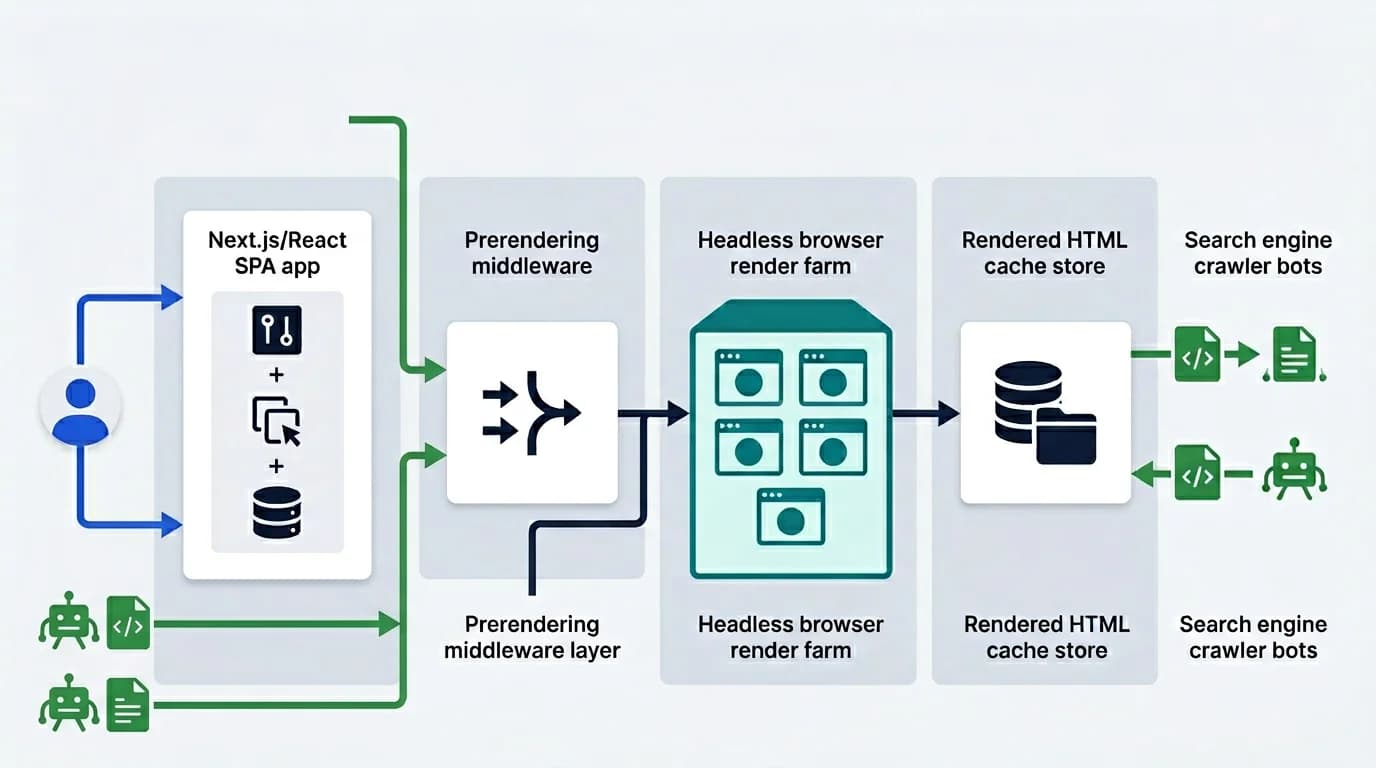
When prerendering improves search visibility, how to validate rollout, and why deterministic HTML matters for Googlebot and AI crawlers that skip JavaScript.
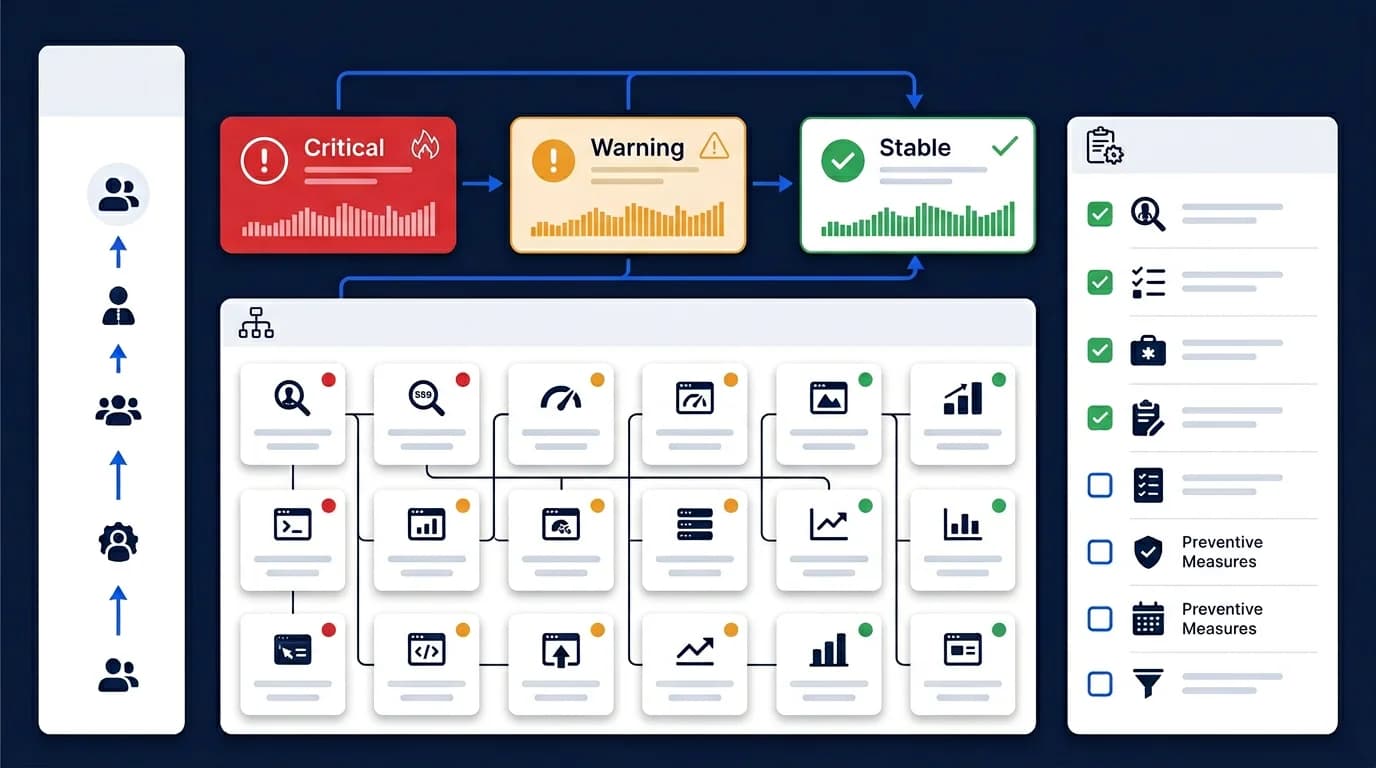
Triage, scope, stabilize, close: a playbook for SEO incidents when canonical, rendering, status, sitemap, or route meaning regresses in production.

Monitor route health, canonical stability, rendering parity, and sitemap drift so SEO problems get caught at the alert layer, not as recovery projects.
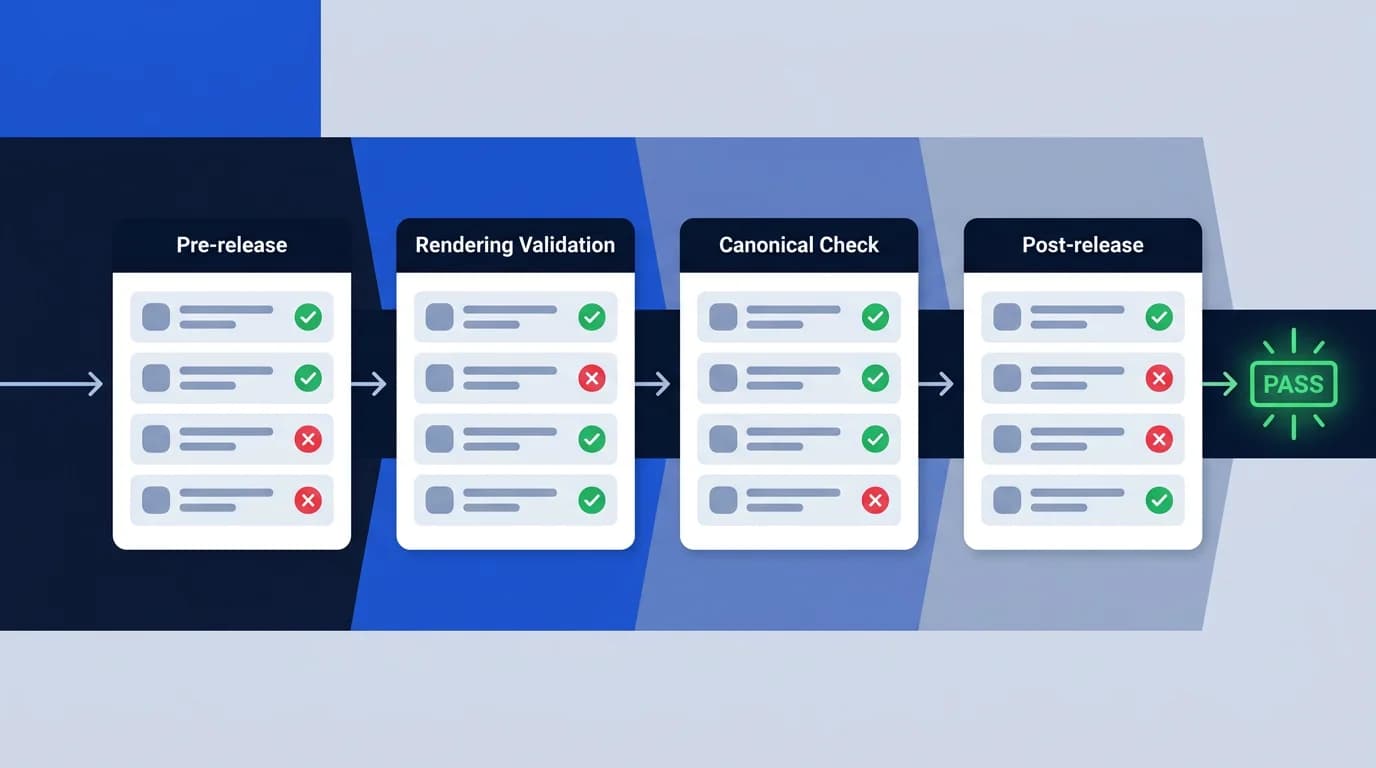
Rendering QA checklist for SEO releases: first-response HTML, canonical parity, schema visibility, route-family sampling, and post-deploy crawl checks.
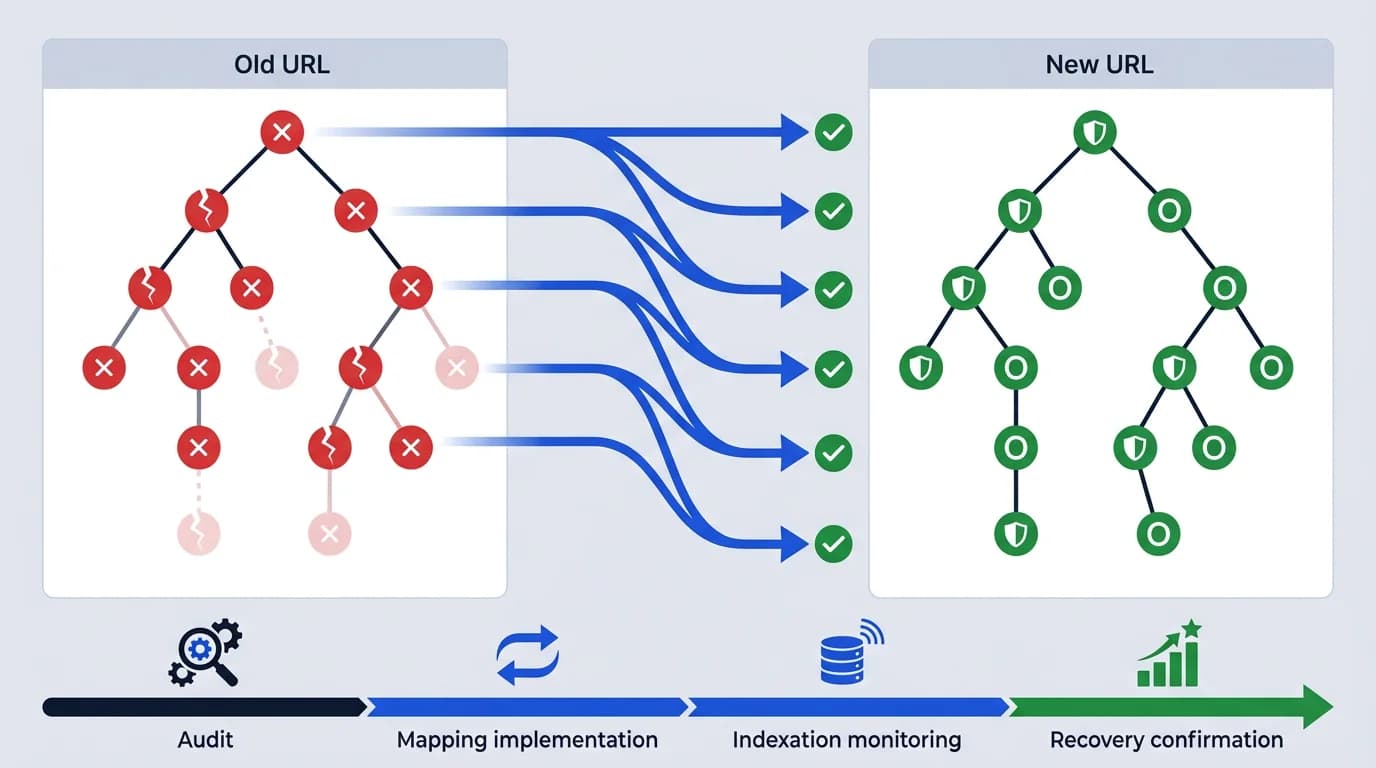
Recover indexation after a migration: redirect mapping, canonical alignment, crawl-log validation, sitemap cleanup, and route-family recovery priorities.
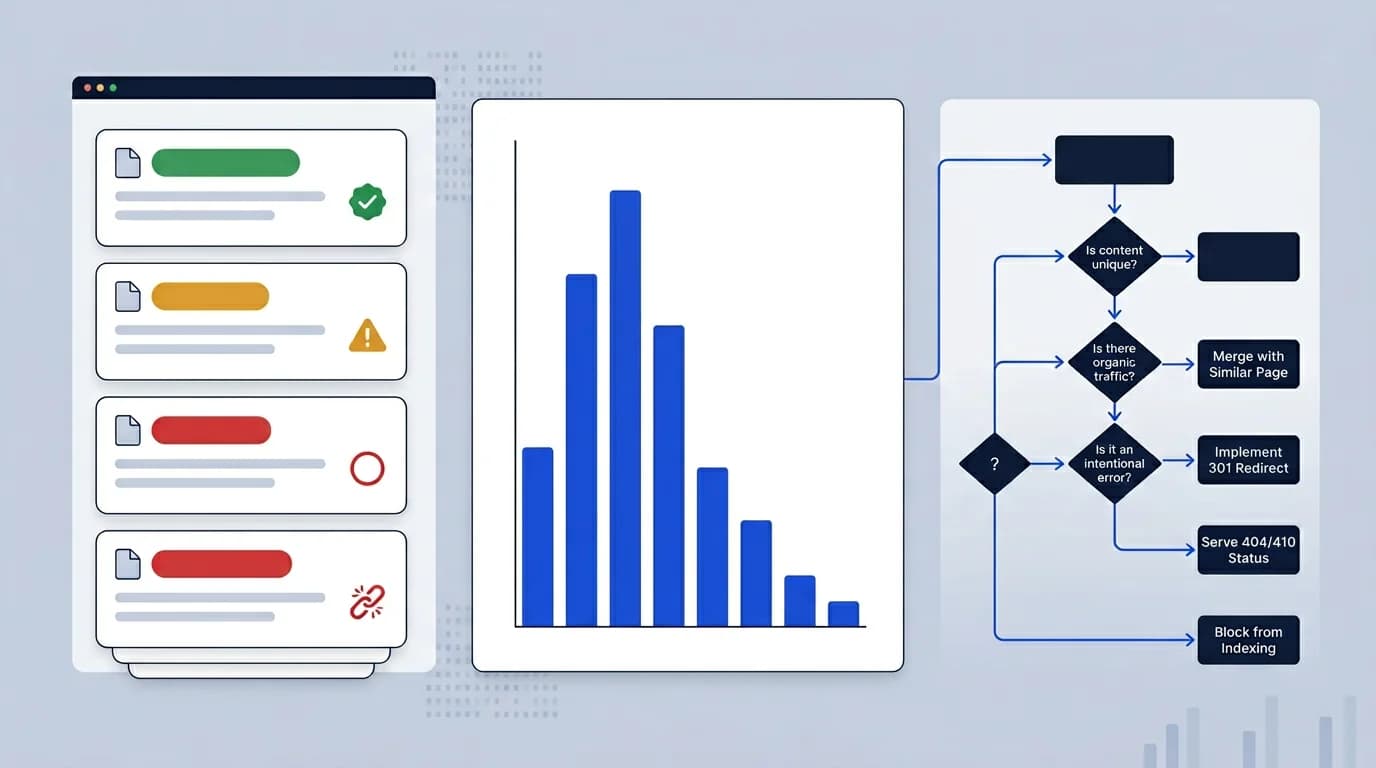
How soft 404s and thin templates spread on large sites, why they drain crawl, and how to distinguish recoverable pages from routes that should stop indexing.
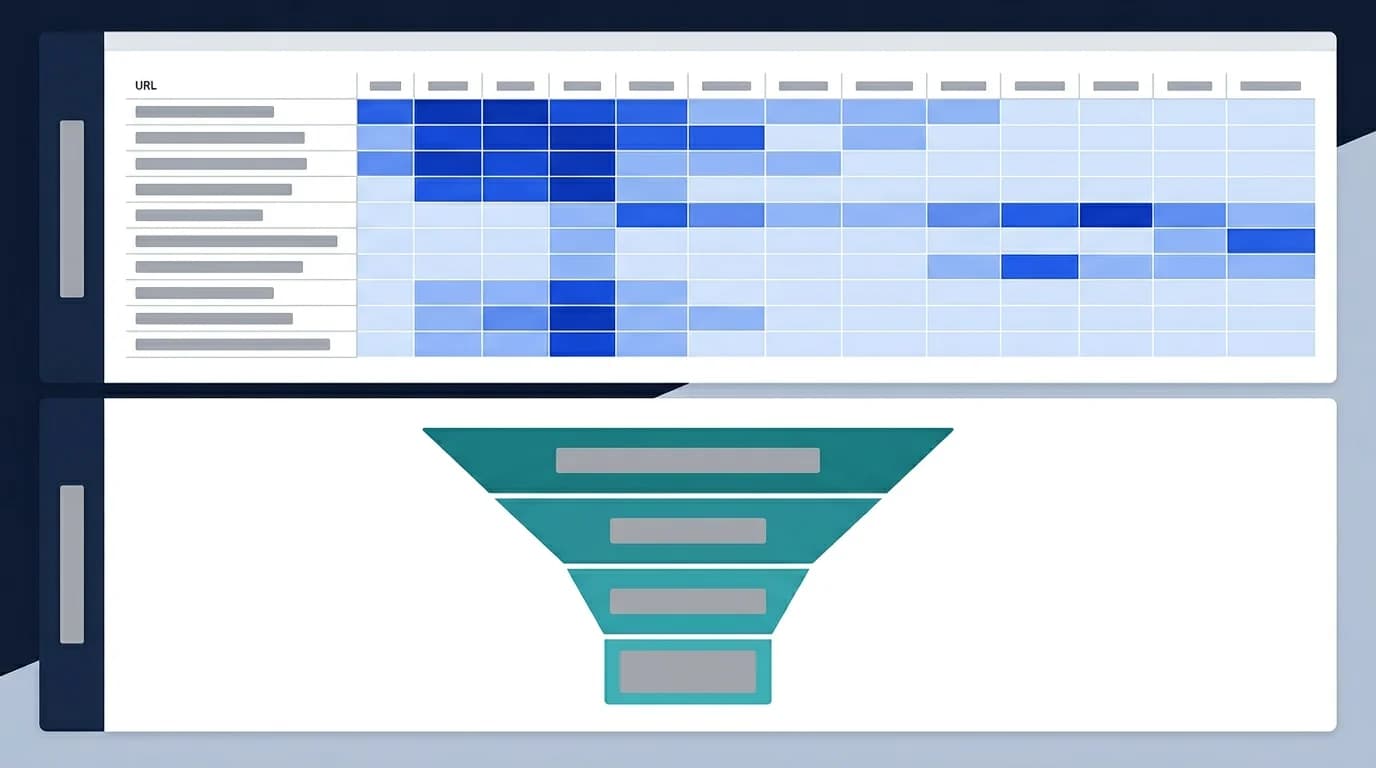
Log file analysis for technical SEO: read crawler behavior, find wasted crawl, check status mix, verify bots, and turn raw logs into engineering tasks.
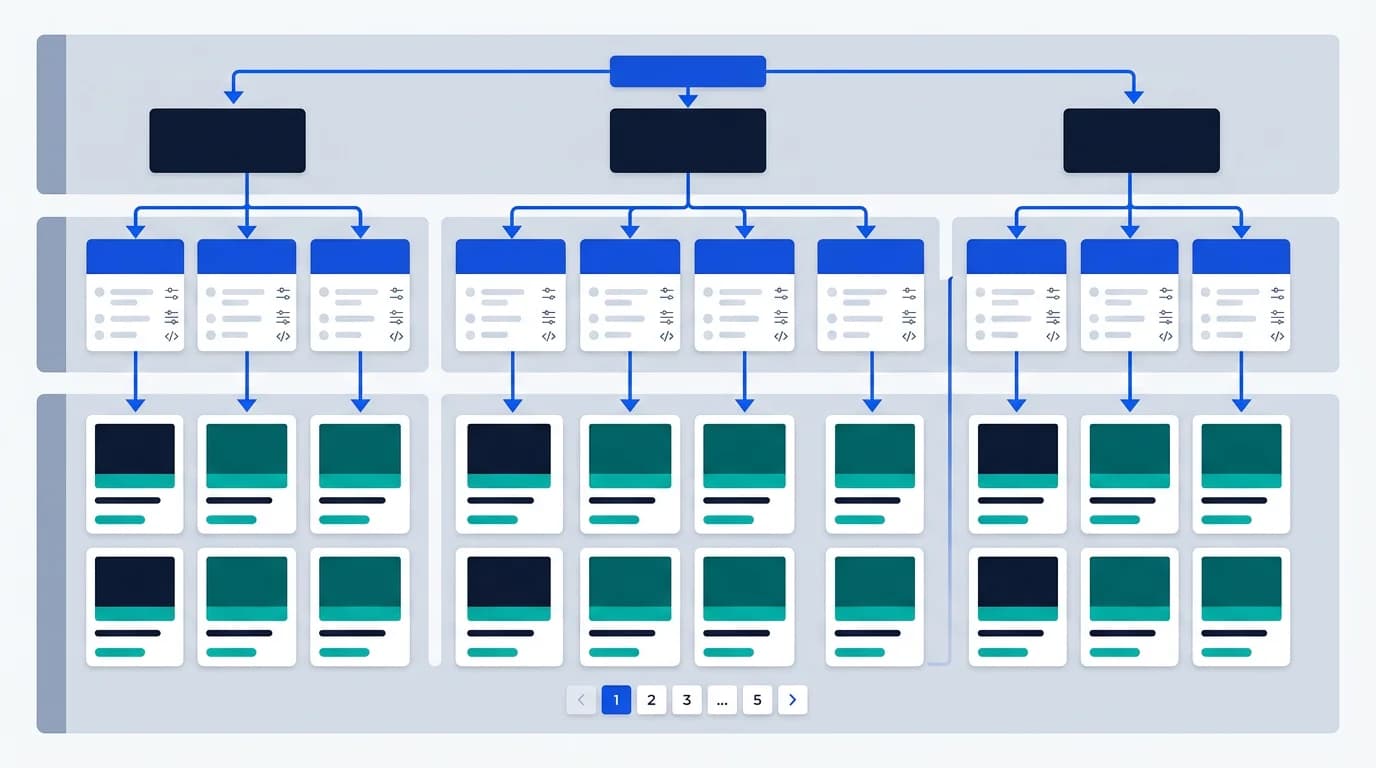
Category-page SEO for ecommerce at scale: listing value, copy slots, facet policy, pagination, internal linking, and crawl-efficient template architecture.
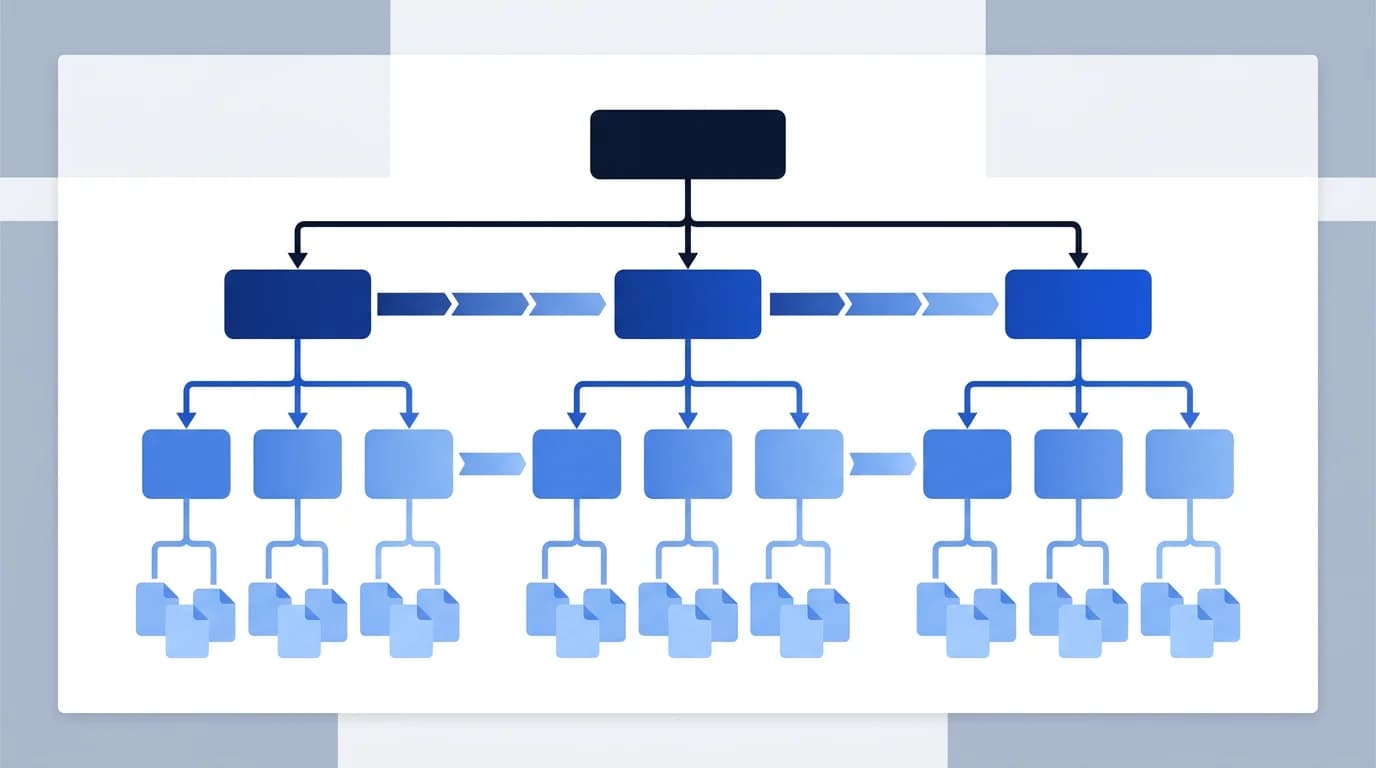
Design site taxonomy and URL architecture so hierarchy, crawl paths, canonicals, and topic clusters stay clean and indexable on sites with 100k+ routes.
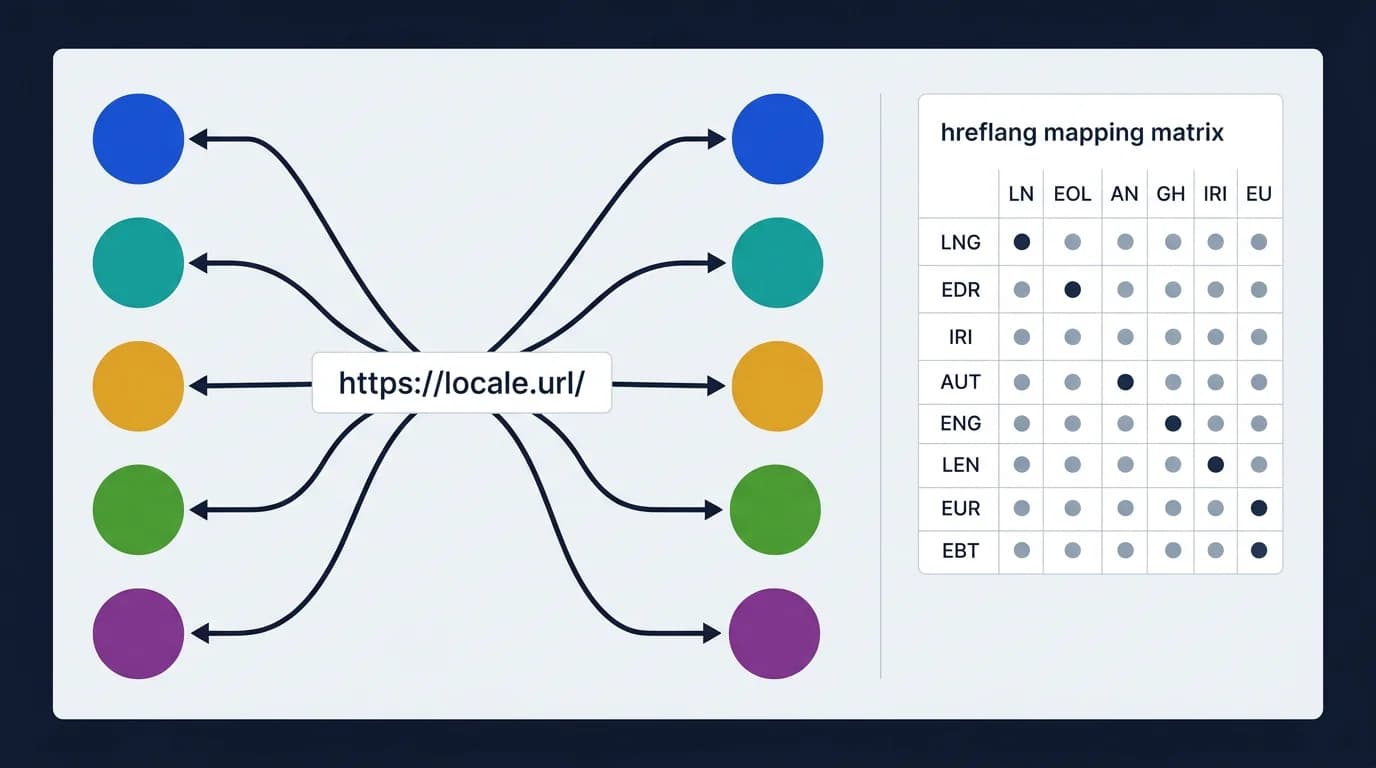
International SEO with hreflang on modern frameworks: locale routing, alternate mapping, x-default strategy, canonical alignment, and per-route validation.
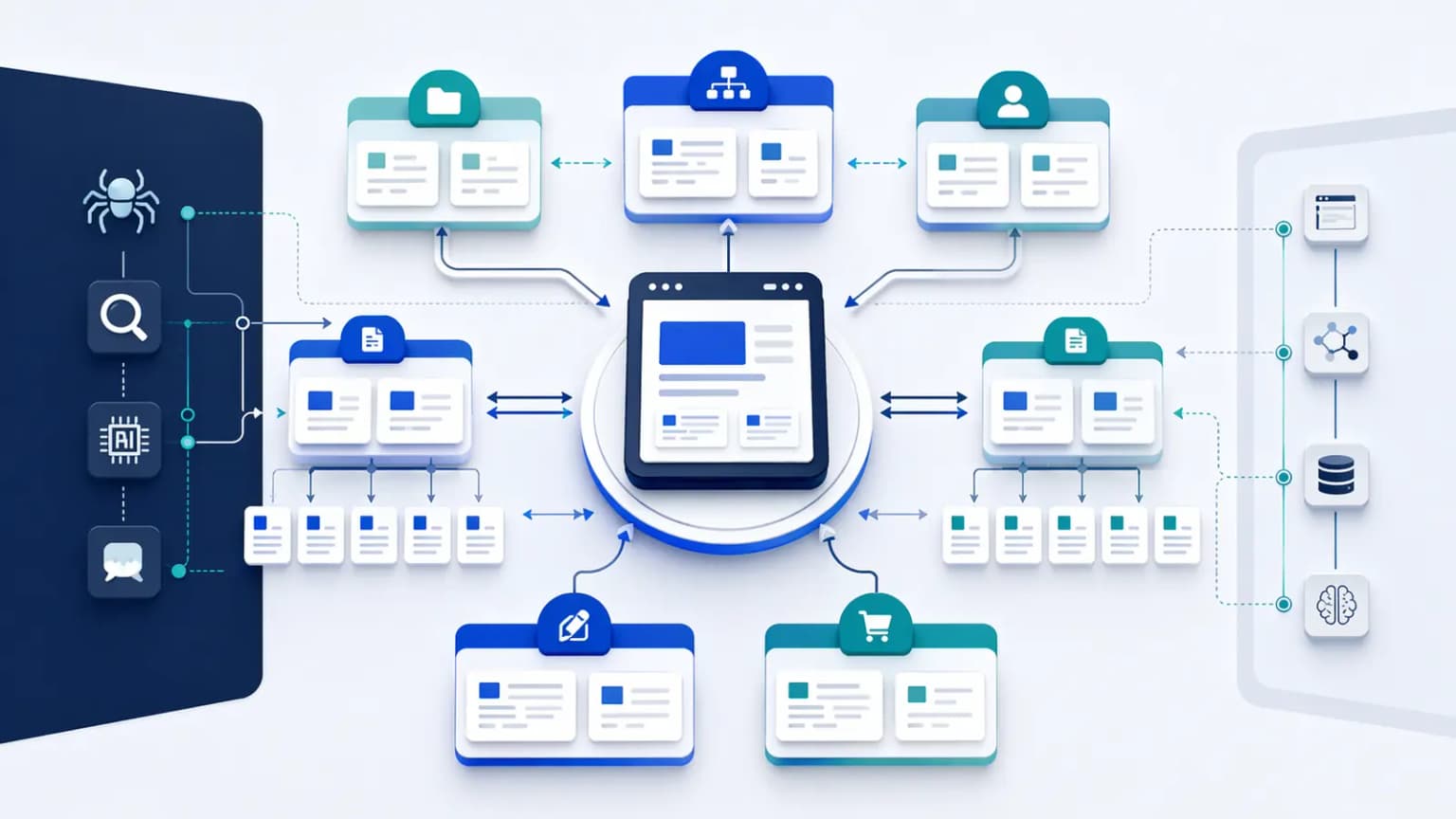
Build knowledge hubs and topic clusters that reinforce each other: hub pages, child routes, source-graph design, and AI-ready topical authority structure.
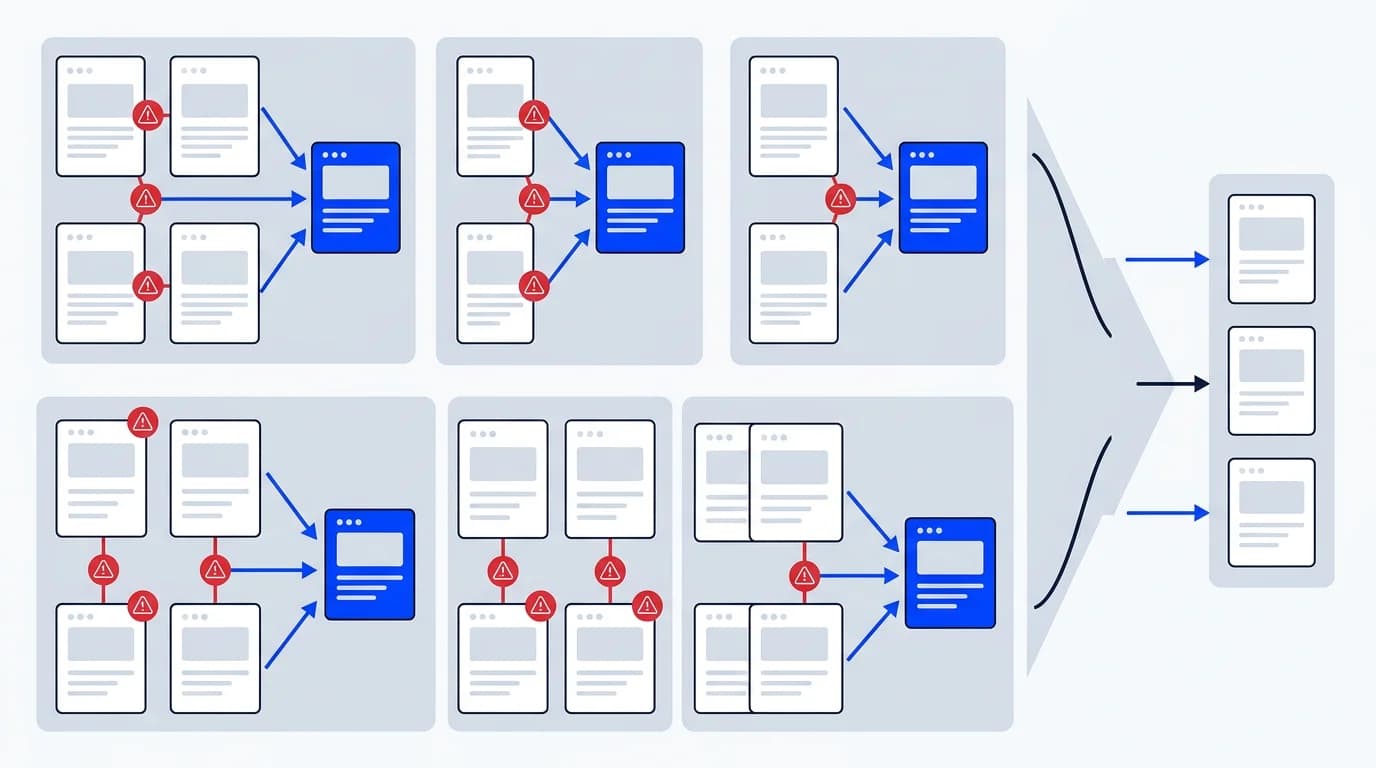
Near-duplicate templates compound on large sites; consolidate with canonical policy, sitemap cleanup, and link discipline before crawl quality drops further.

Architect for AI Overviews and zero-click visibility: source-route design, answer-friendly templates, entity clarity, structured data, rendering parity.
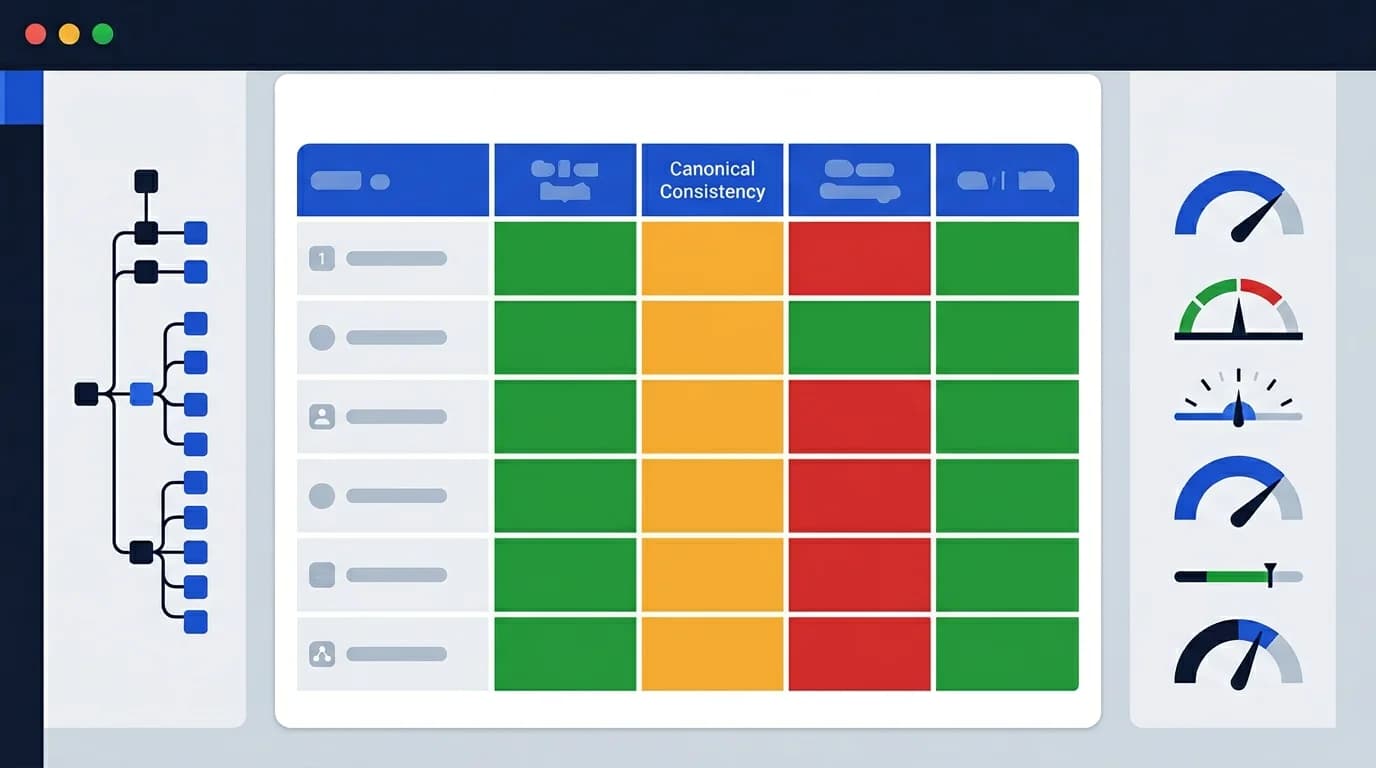
Programmatic SEO quality control: template thresholds, index-worthy page selection, canonical consistency, sitemap policy, and route-family QA at scale.
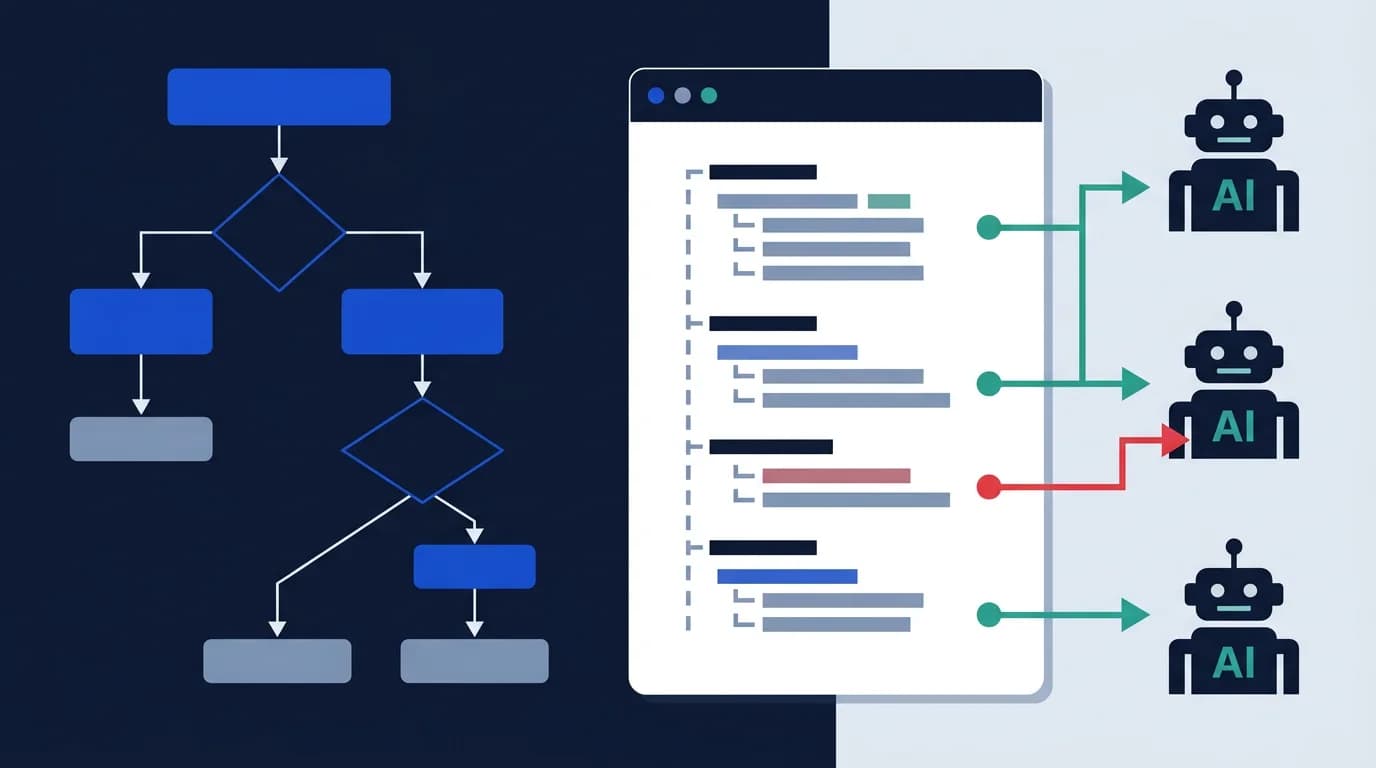
What llms.txt actually does (and does not) for AI search visibility, how it relates to robots and sitemaps, and how technical teams should think about it.
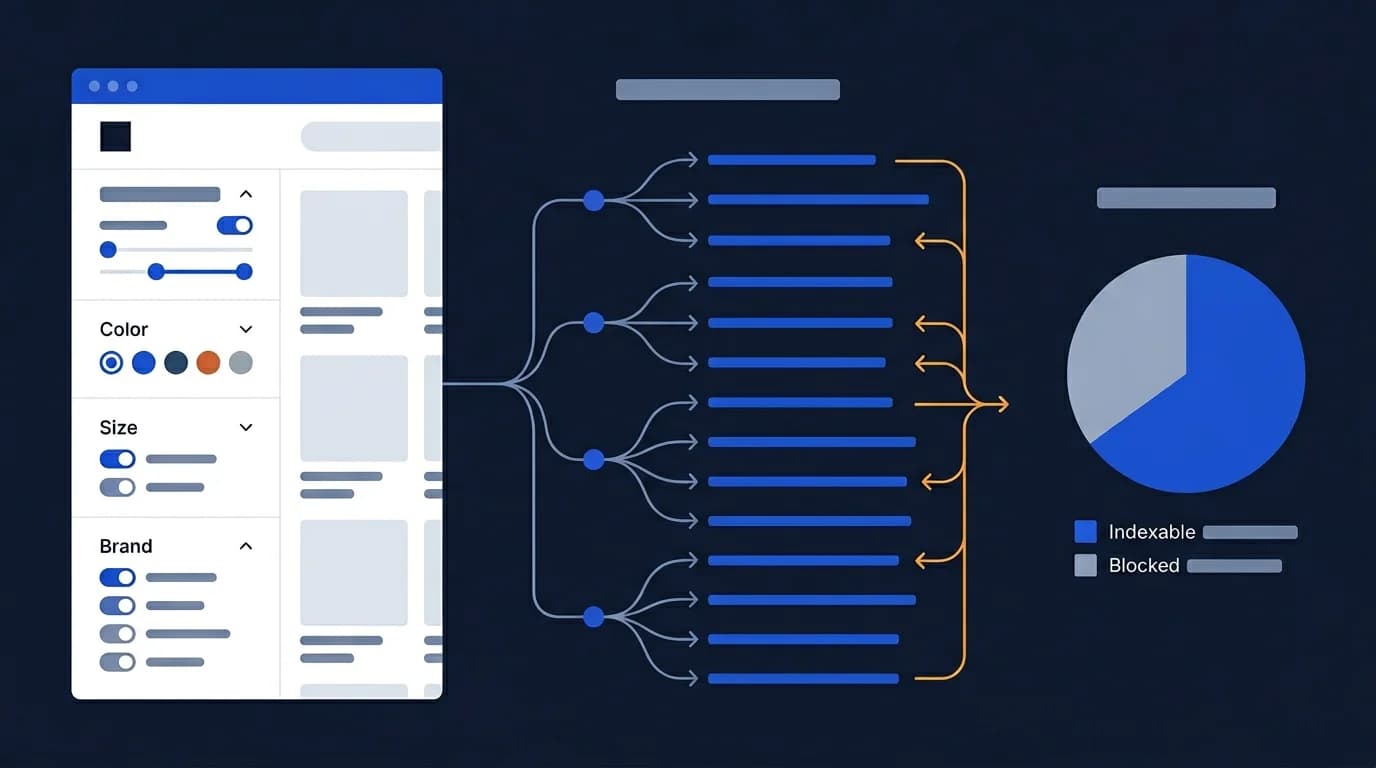
Faceted navigation SEO: parameter sprawl, crawl budget, canonical policy, indexable-facet selection, robots strategy, and machine-readable listing design.
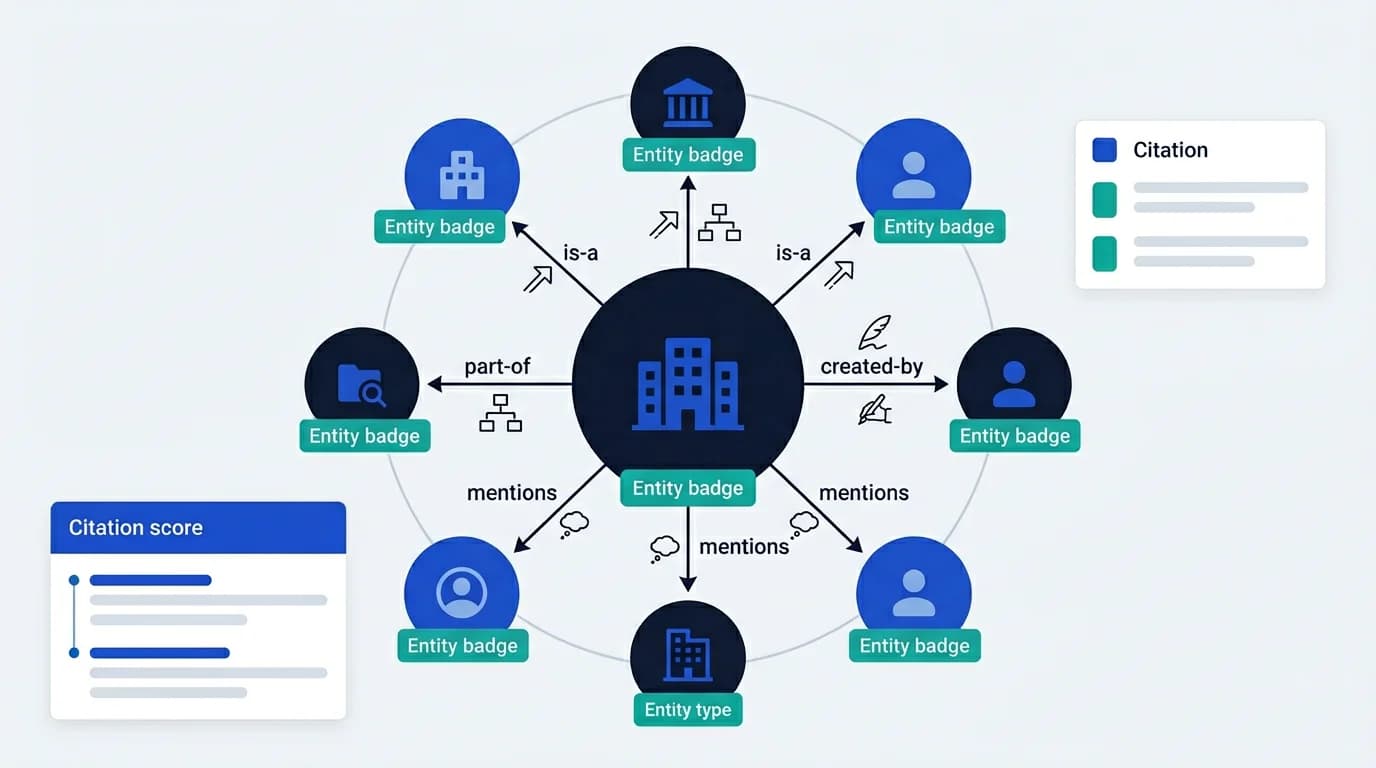
Make pages citation-ready for AI search: entity clarity, factual structure, source-trust signals, and templates that answer engines can extract confidently.
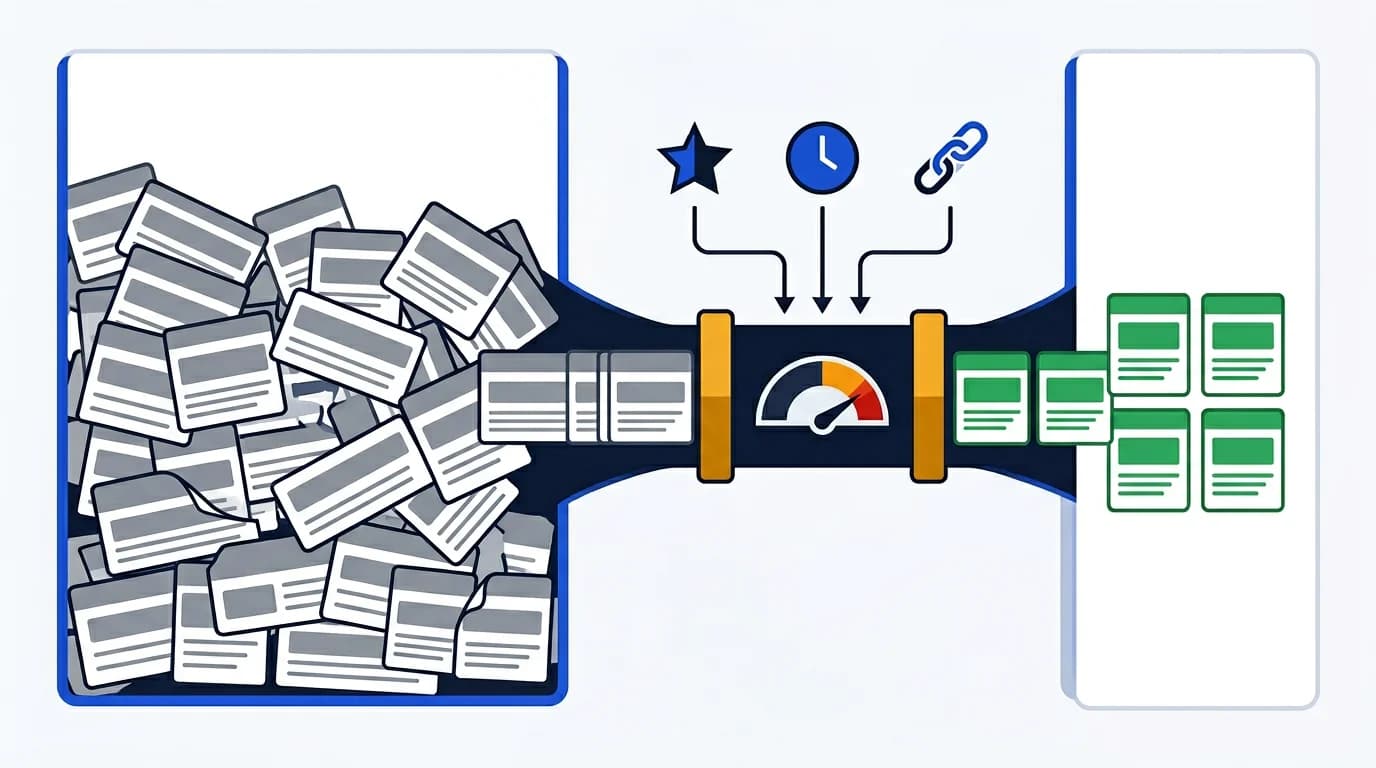
Why pages stay in Discovered-not-crawled: how crawl prioritization, URL quality, and rendering shape fetch decisions, plus a route-level diagnostic.
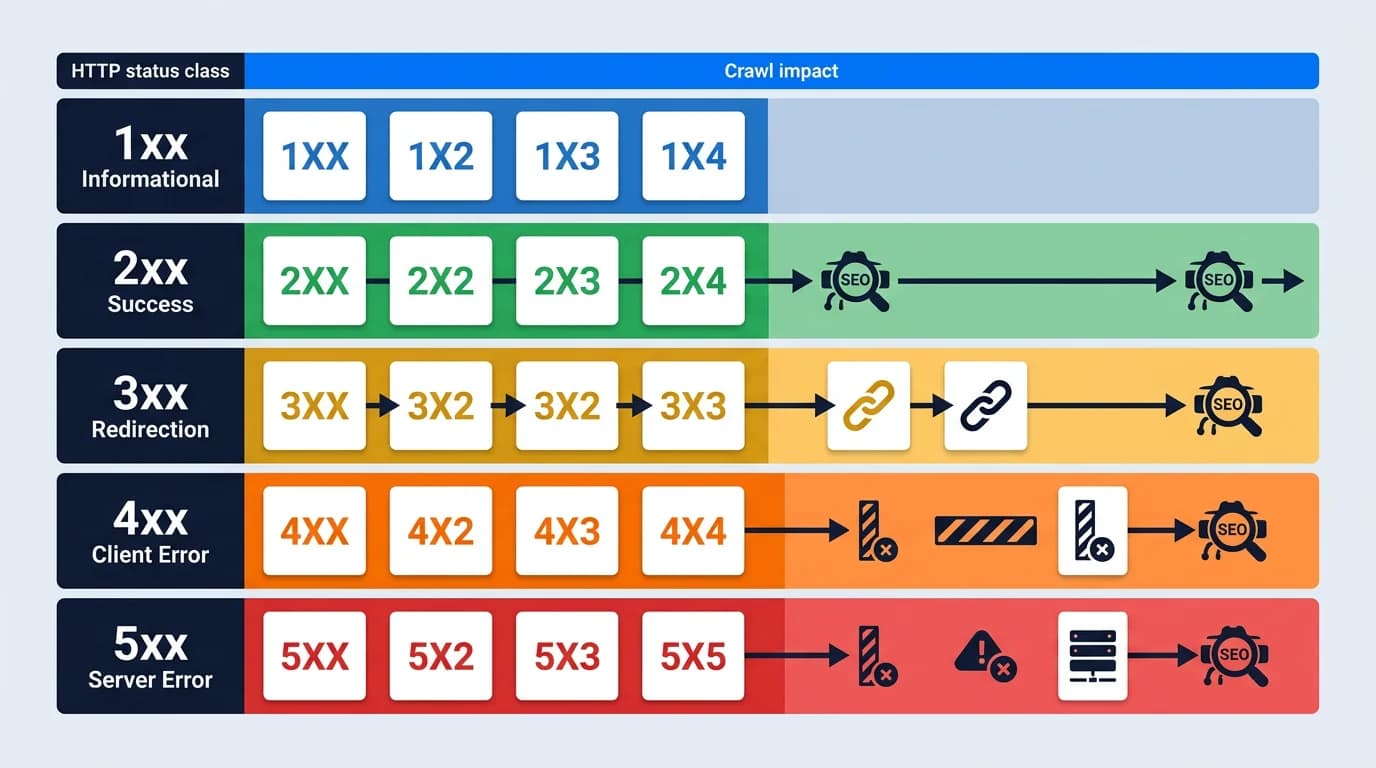
HTTP status codes for SEO and crawlers — when to use 200, 301, 302, 308, 404, 410, 503, and the indexation behavior each produces on JavaScript-heavy sites.
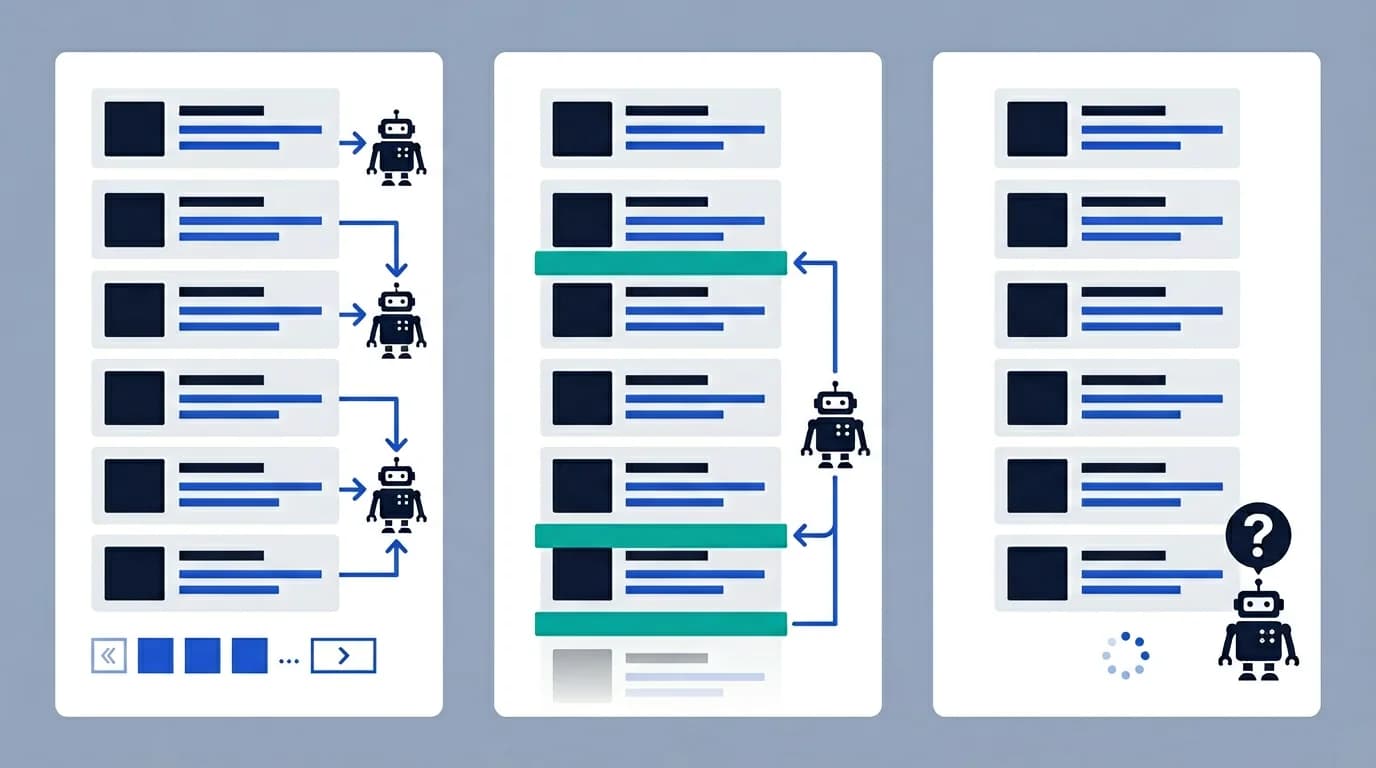
Pagination and infinite scroll for SEO: which page states should be indexable, internal-linking patterns, load-more variants, and bot-friendly listing URLs.
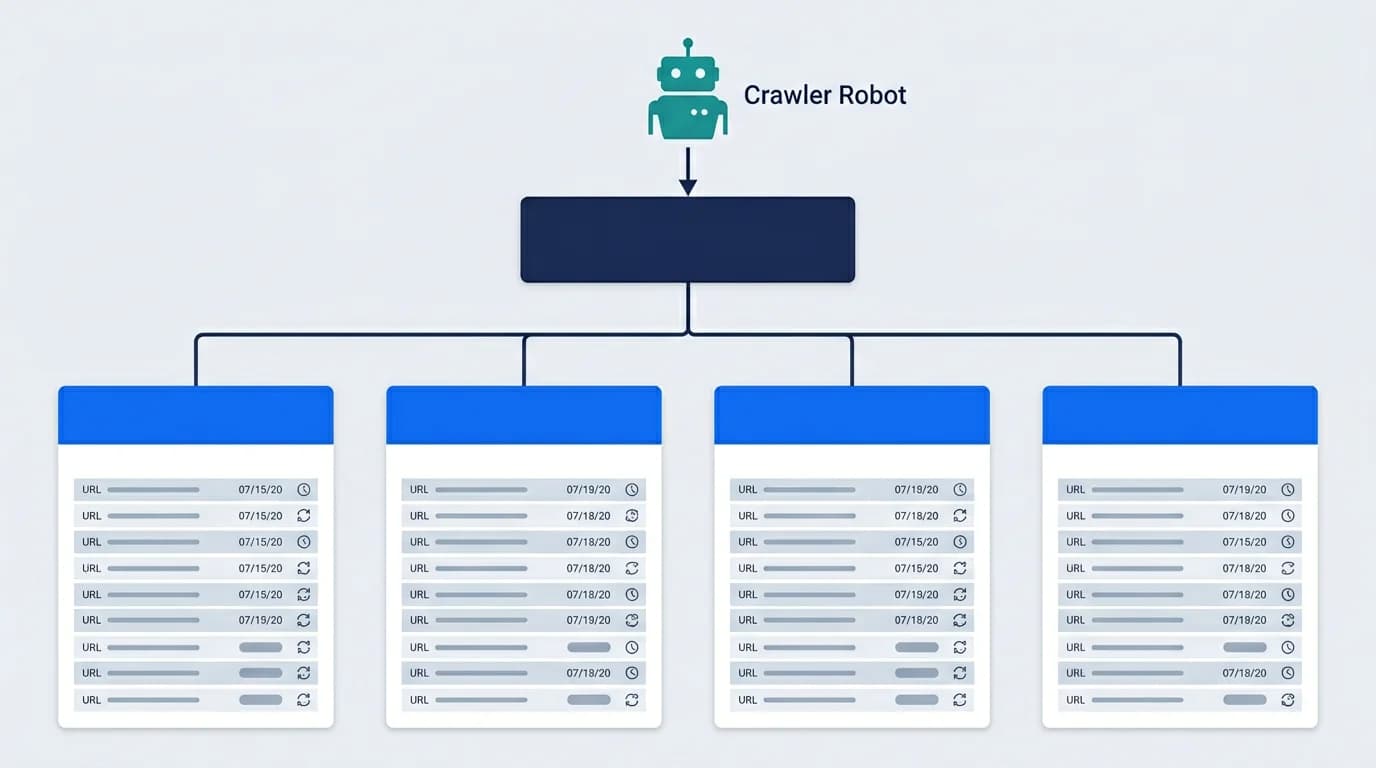
XML sitemap structure, URL inclusion rules, freshness signals, and the validation patterns that keep crawl efficient and indexation aligned at scale.
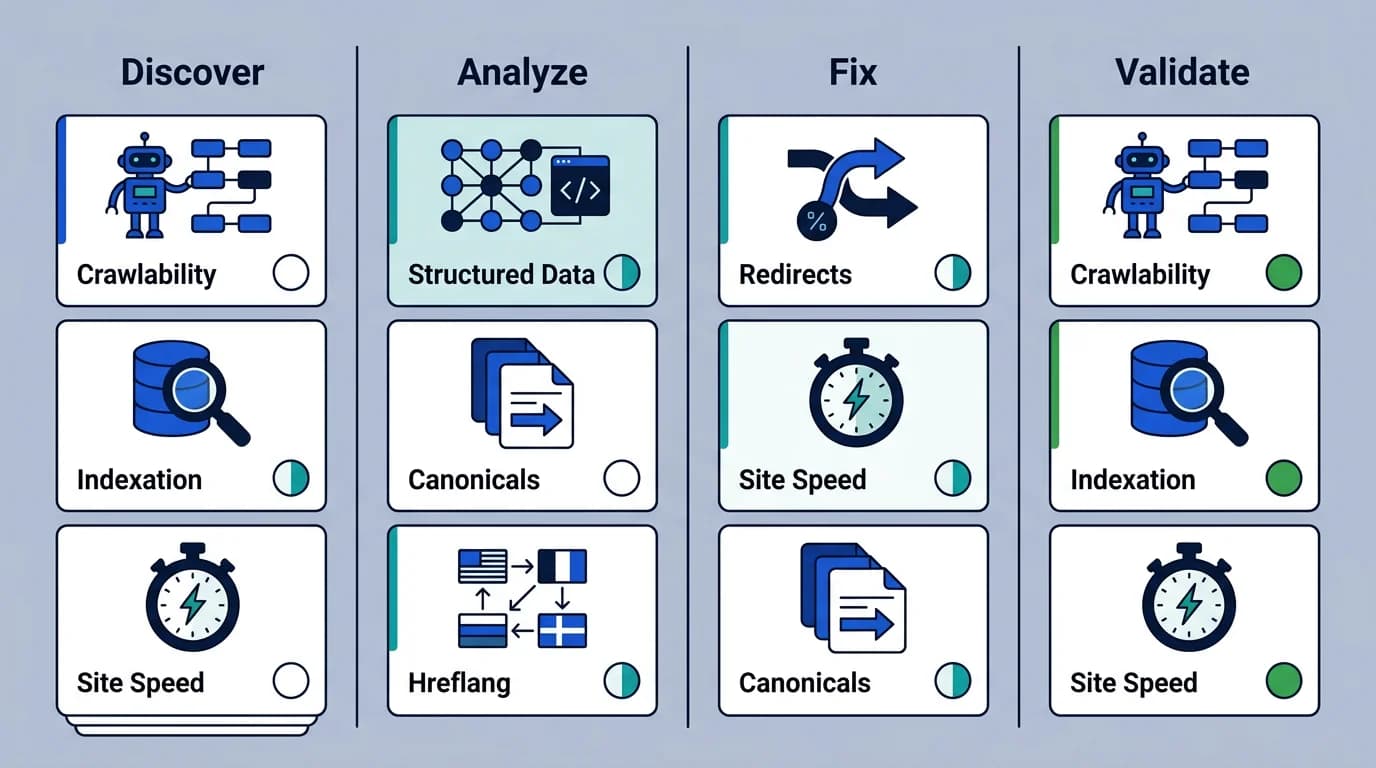
What a strong technical SEO audit covers — robots, sitemaps, canonicals, rendering, schema — and how to turn findings into engineering-ready tasks.
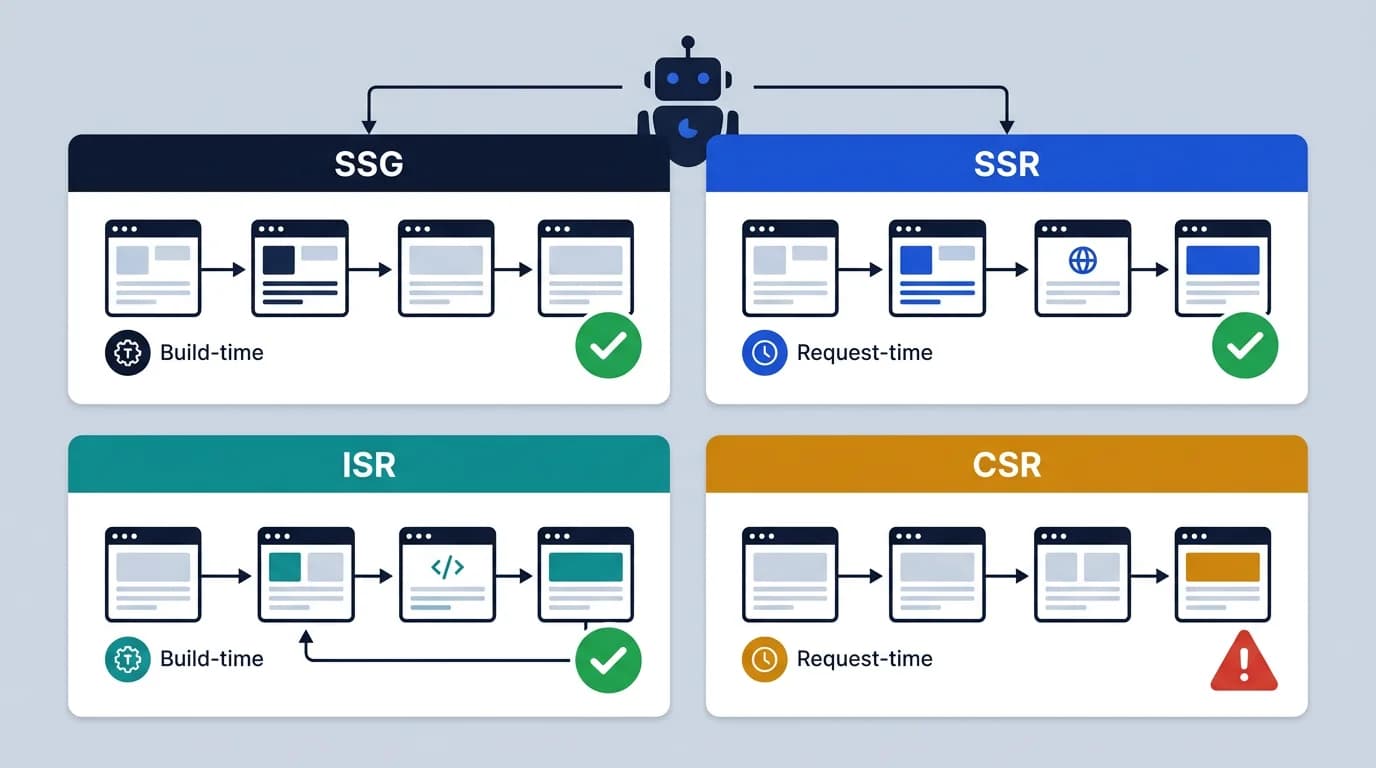
Choose between SSG, ISR, SSR, dynamic rendering, and prerendering in Next.js when crawlability, indexation, and AI visibility hinge on first-response HTML.
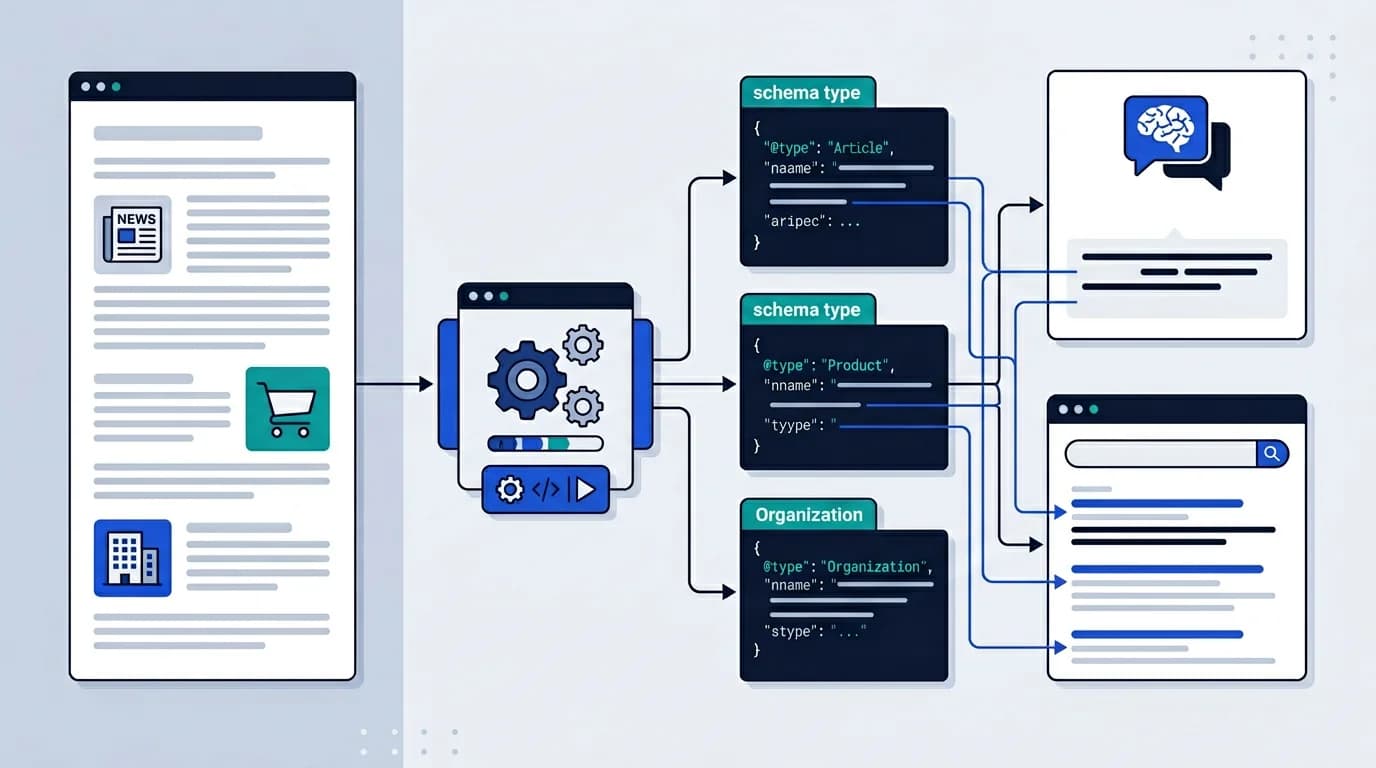
Which JSON-LD patterns matter for AI visibility, how schema interacts with rendering paths, and how to validate machine-readable extraction across templates.
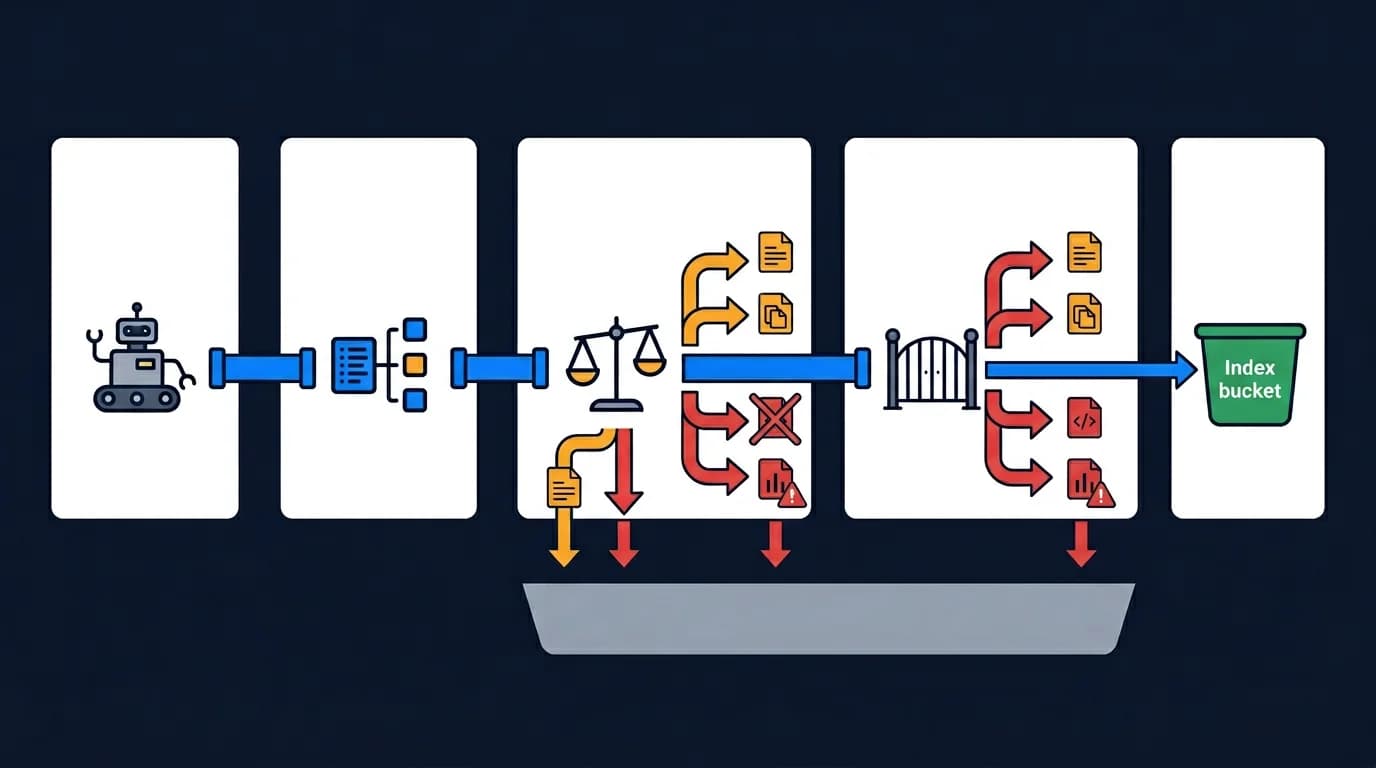
Why pages get crawled but not indexed: rendering gaps on JS sites, duplicate signals, thin-value templates, and the route-level diagnostic that finds them.
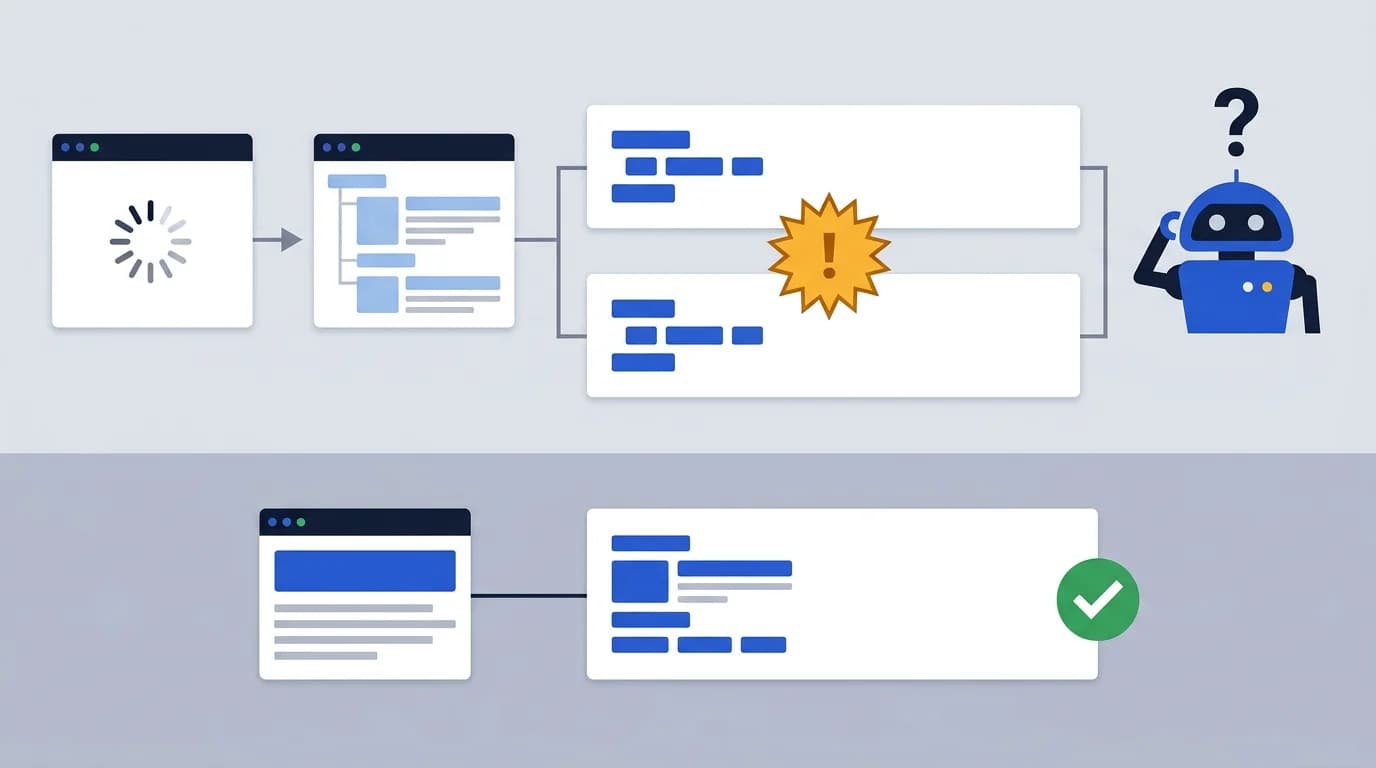
Why canonical tags break on JS-heavy sites: hydration mismatches, parameter routes, and how to keep crawler-facing canonicals stable across rendering paths.
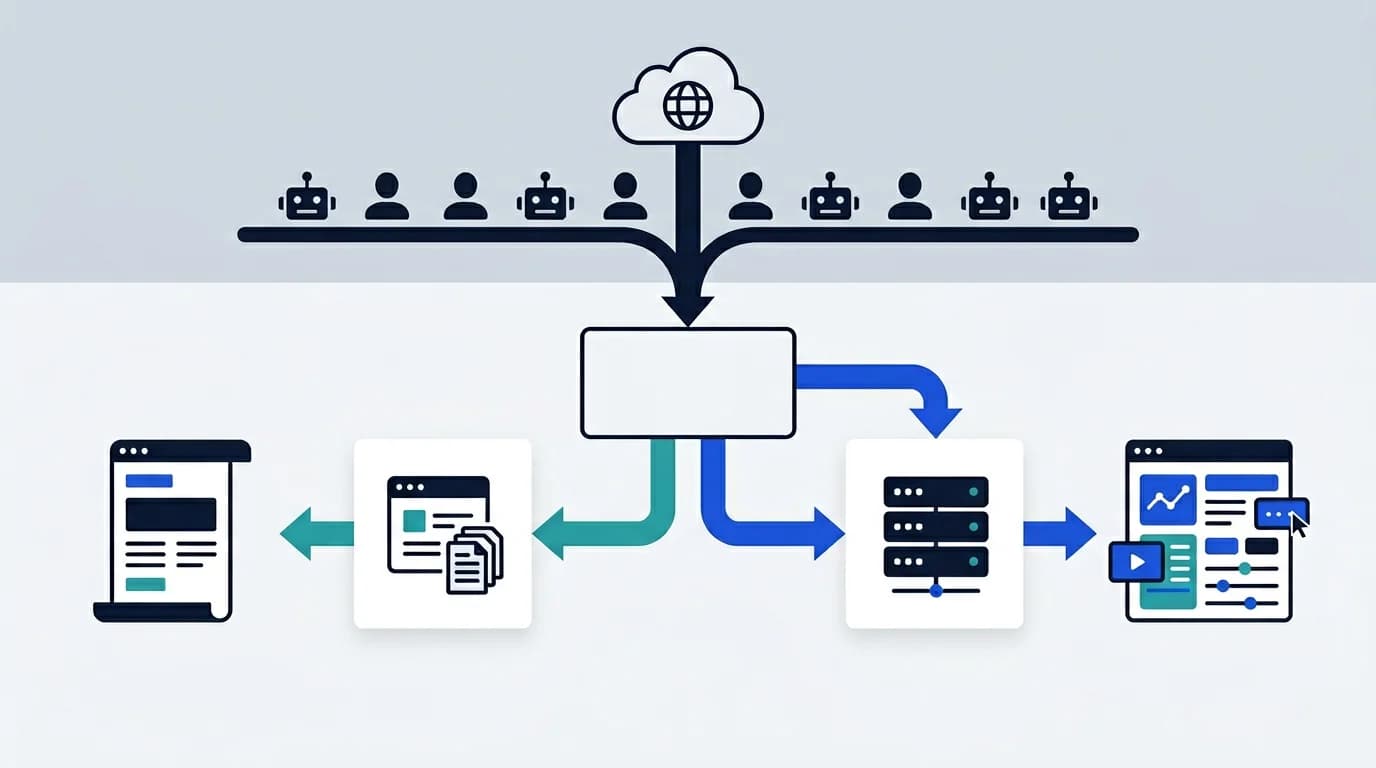
Redirect verified bot traffic to prerendering safely: proxy routing rules, fallback handling, and how to protect origin without creating cloaking risk.
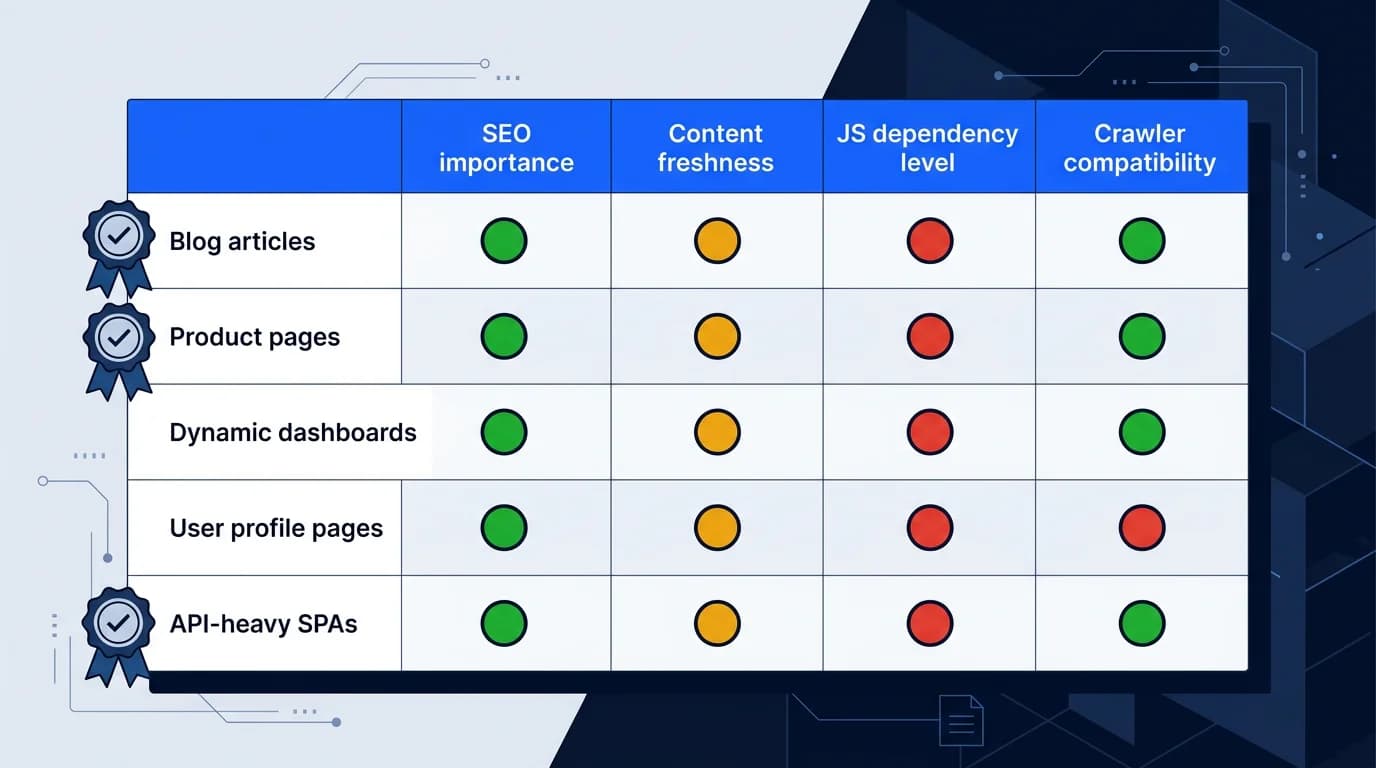
Which page templates to prerender first on JS-heavy sites — how to prioritize by template value, machine-facing HTML gaps, and crawl-impact estimates.
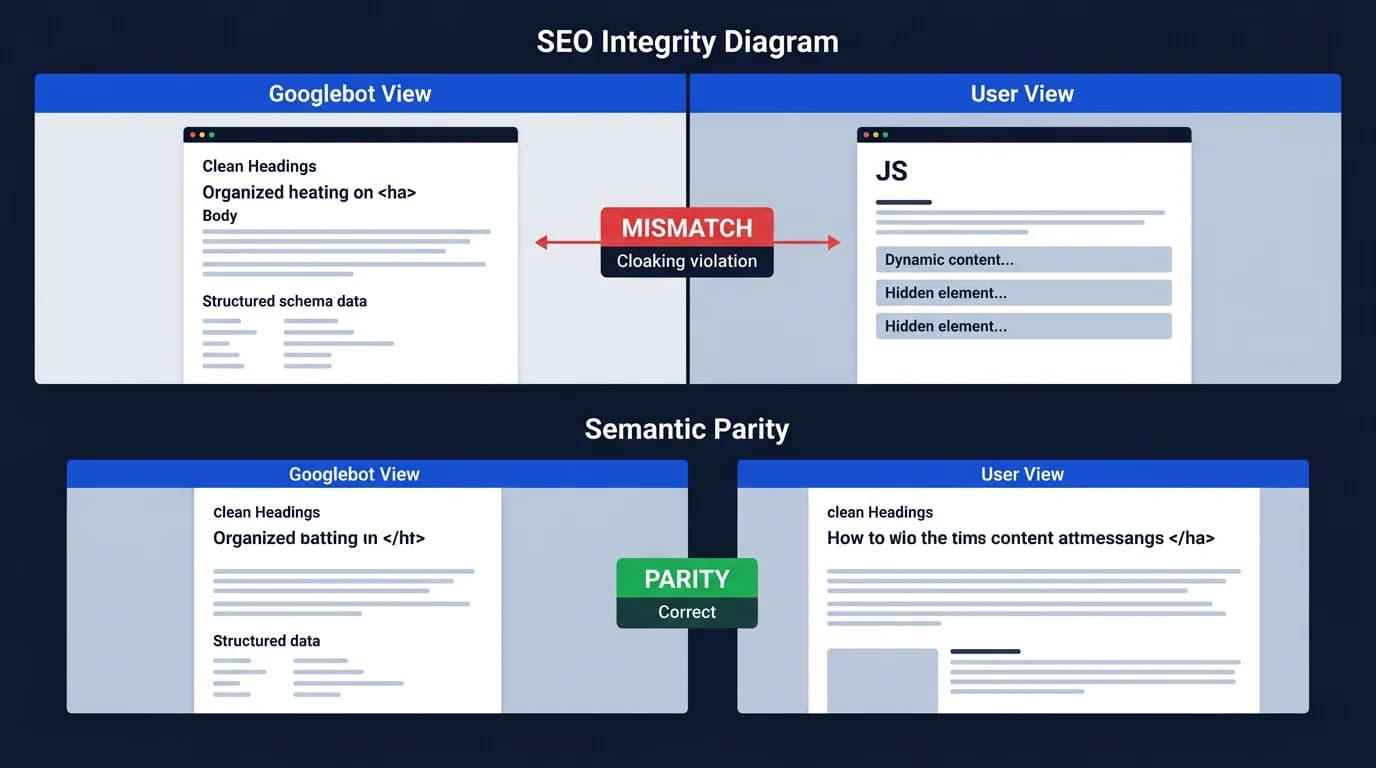
How flawed SSR creates bot-vs-user mismatches that look like cloaking, and the prerendering patterns that preserve semantic parity on JS-heavy sites.
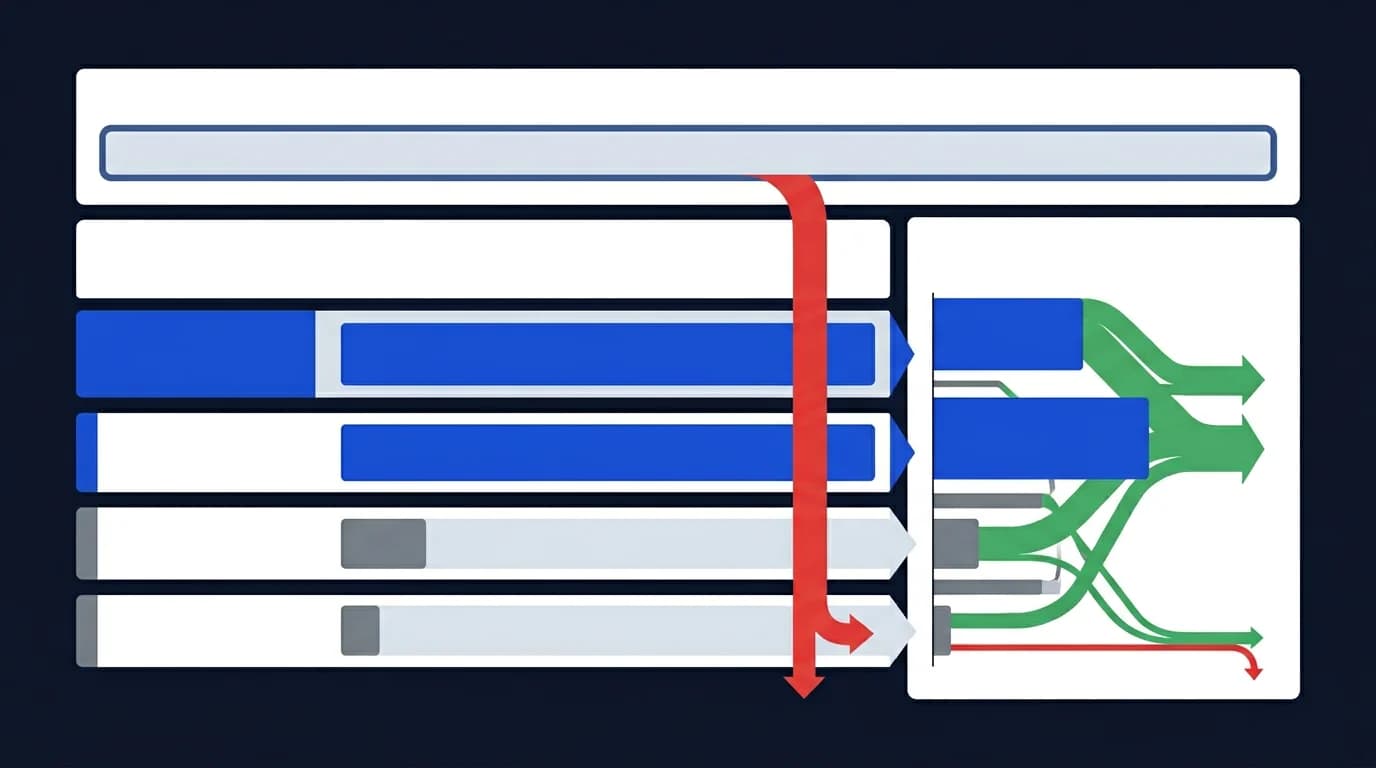
What crawl budget really is, why JS-heavy pages get discovered but not indexed, and the prerendering patterns that lift crawl efficiency without origin cost.
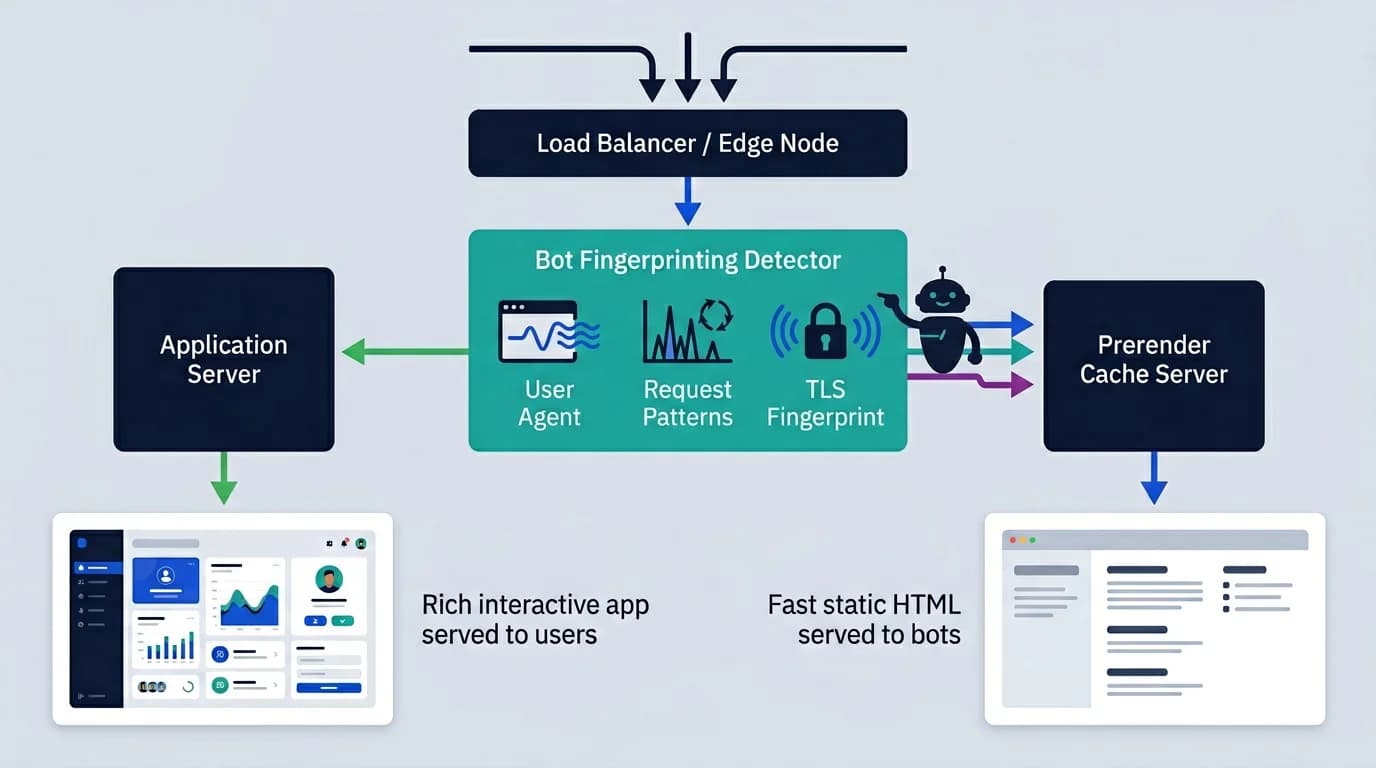
Detect bot traffic at the edge and offload beneficial crawlers safely: classification rules, proxy routing, and the prerendering layer that protects origin.
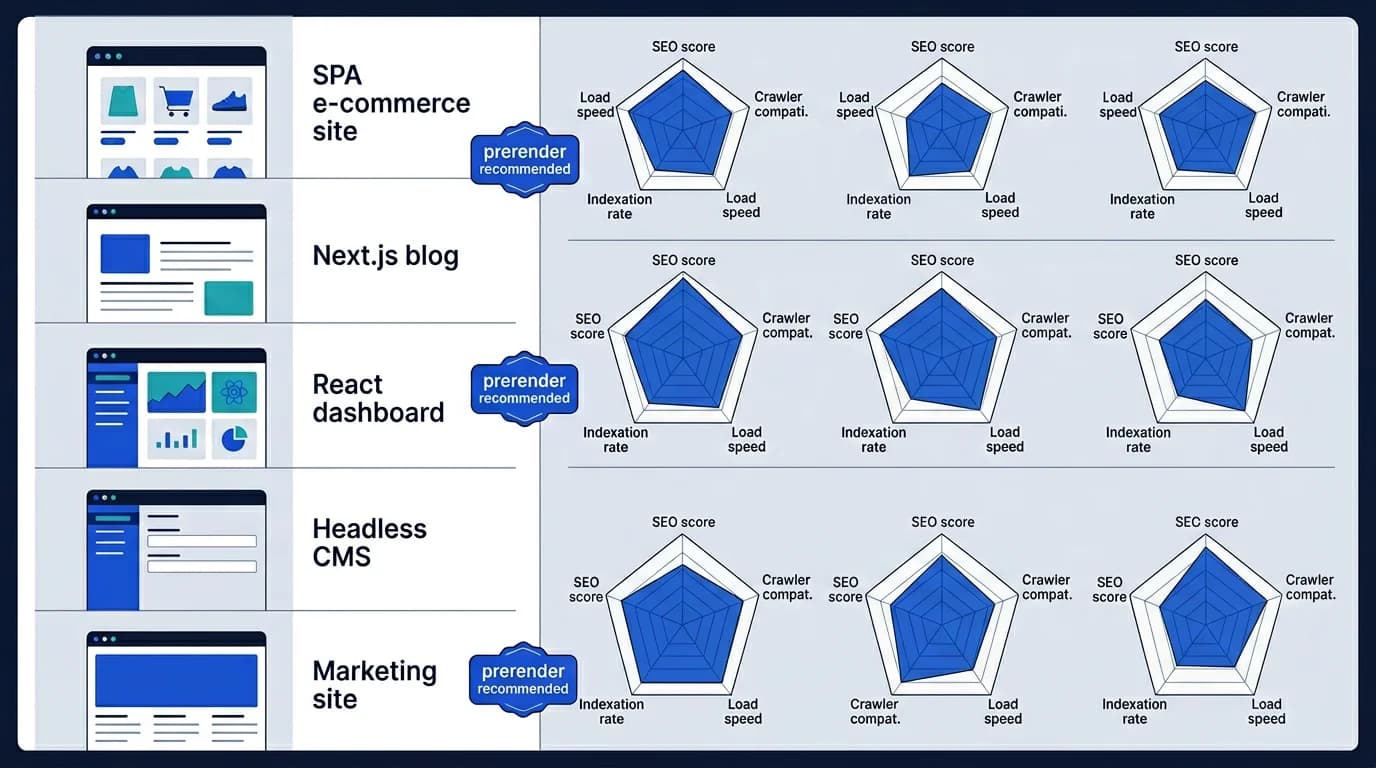
Which websites benefit most from a prerendering service, how it compares to SSR, and why JS-heavy architectures need deterministic HTML for crawler reach.
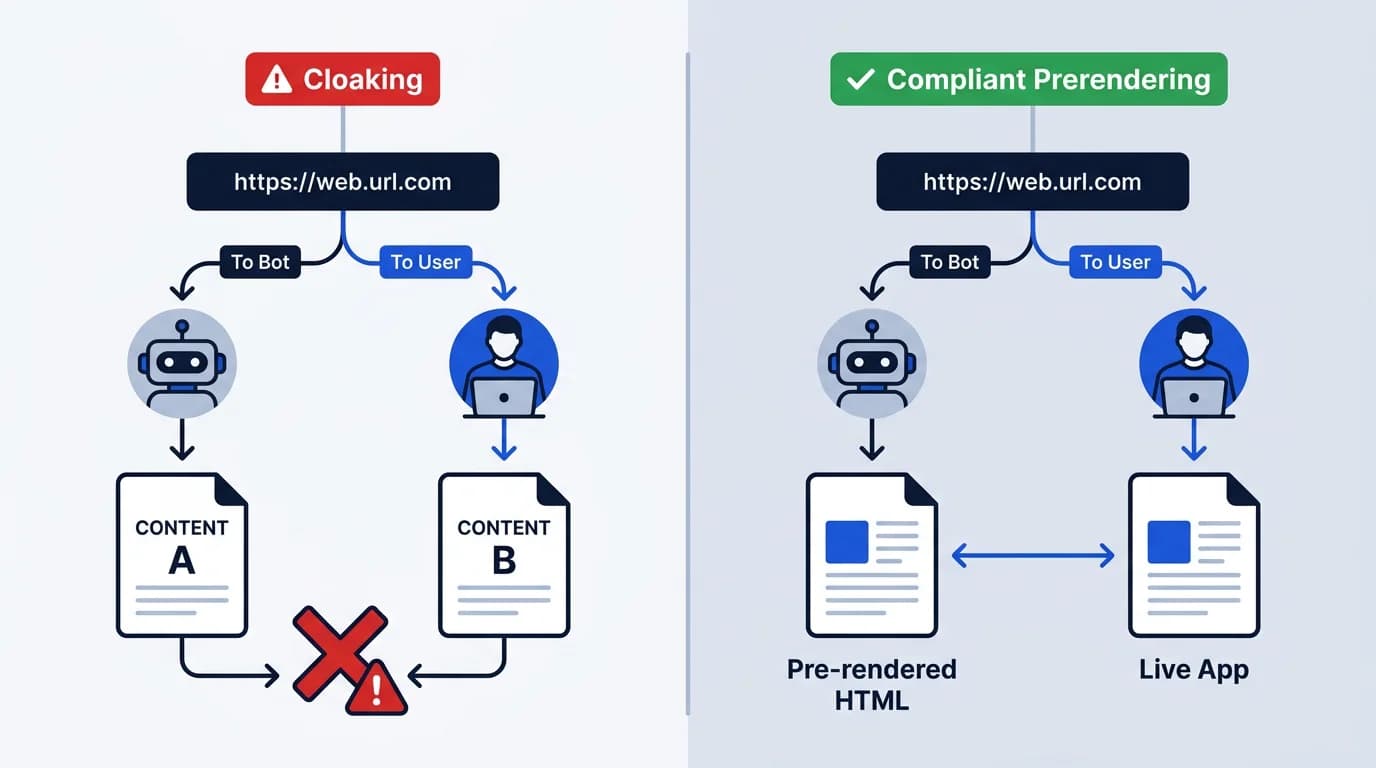
Cloaking vs compliant prerendering: technical differences, why deterministic HTML protects crawlability, and where Google guidelines actually draw the line.

Surface in Grok answers via real-time X integration, fresh content signals, deterministic HTML, and prerendering middleware for JavaScript-heavy sites.
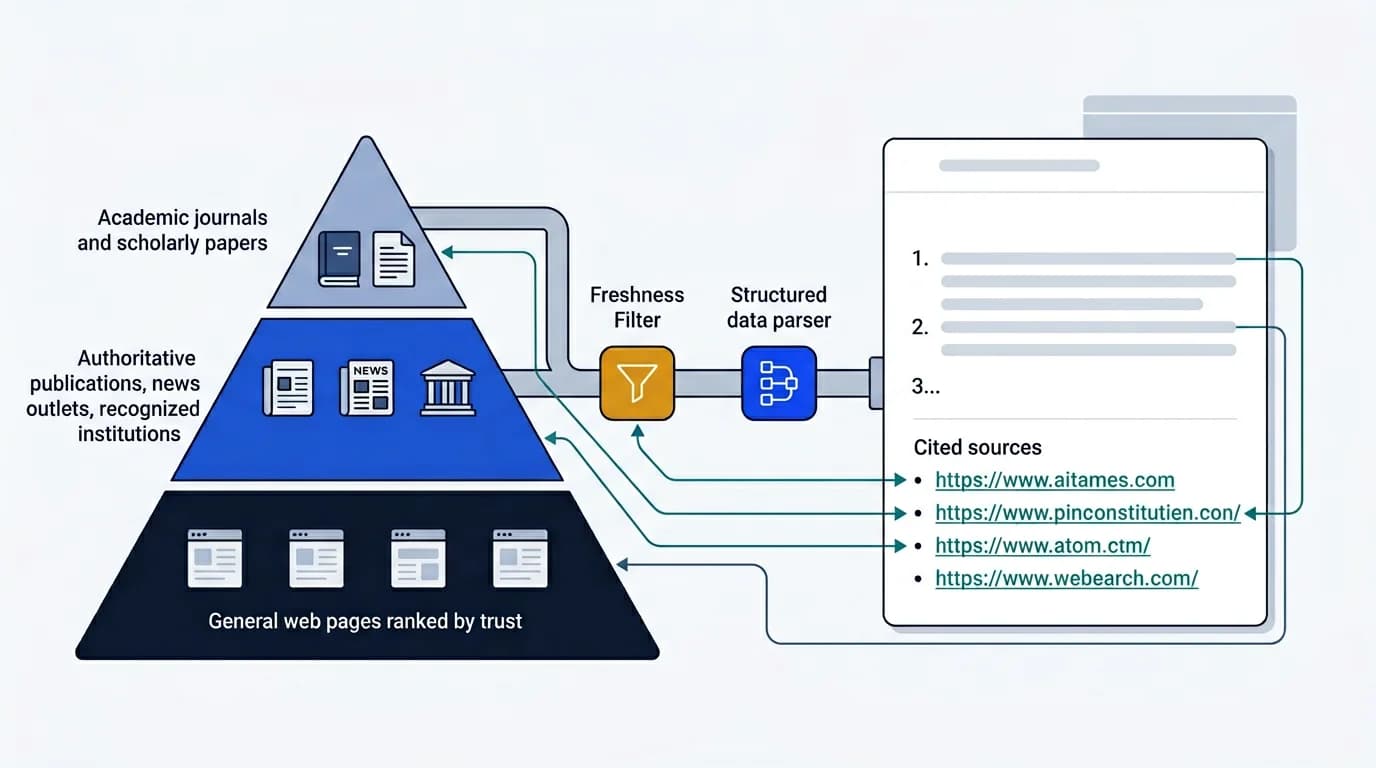
Win Perplexity citations via PerplexityBot crawling, structured data, deterministic HTML, and prerendering middleware for JavaScript-heavy applications.
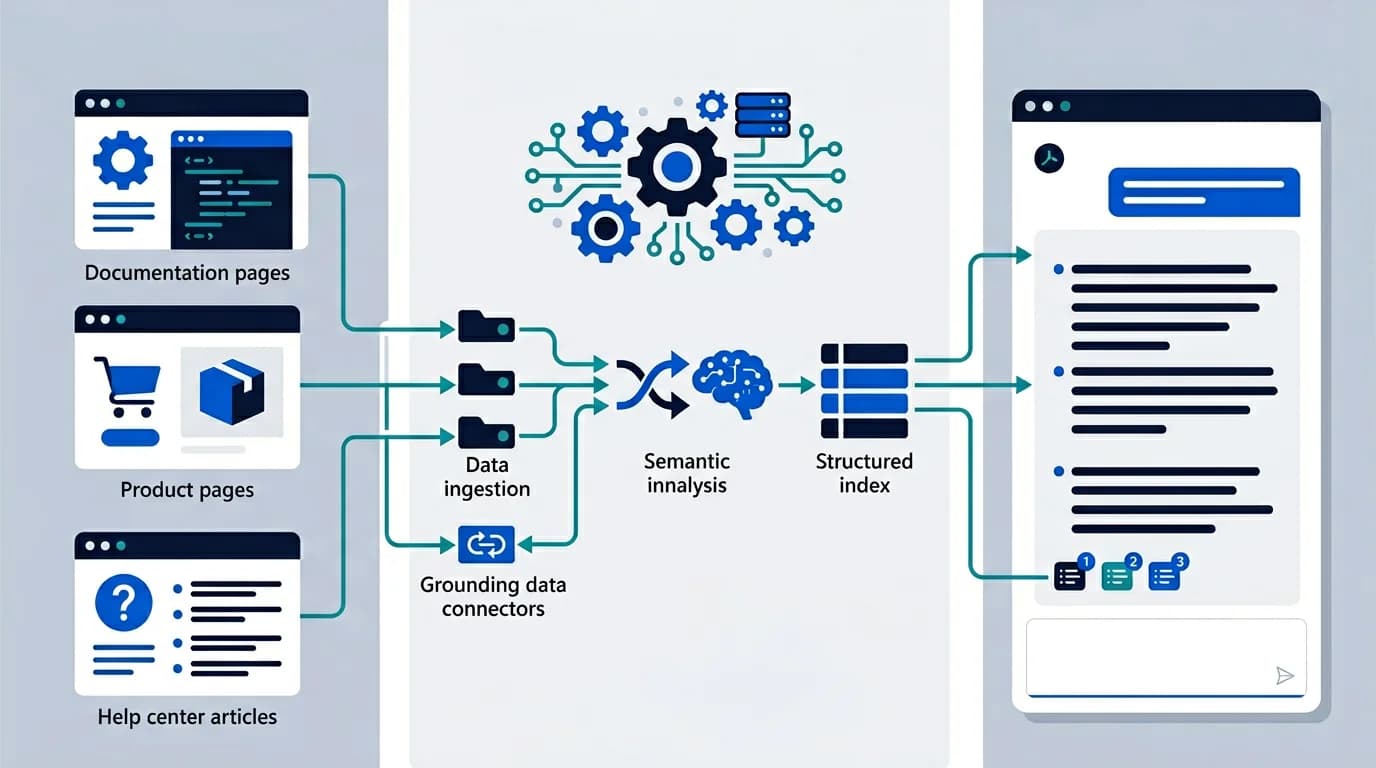
Surface in Microsoft Copilot citations via Bingbot crawling, schema markup, deterministic HTML, and prerendering middleware for JavaScript applications.
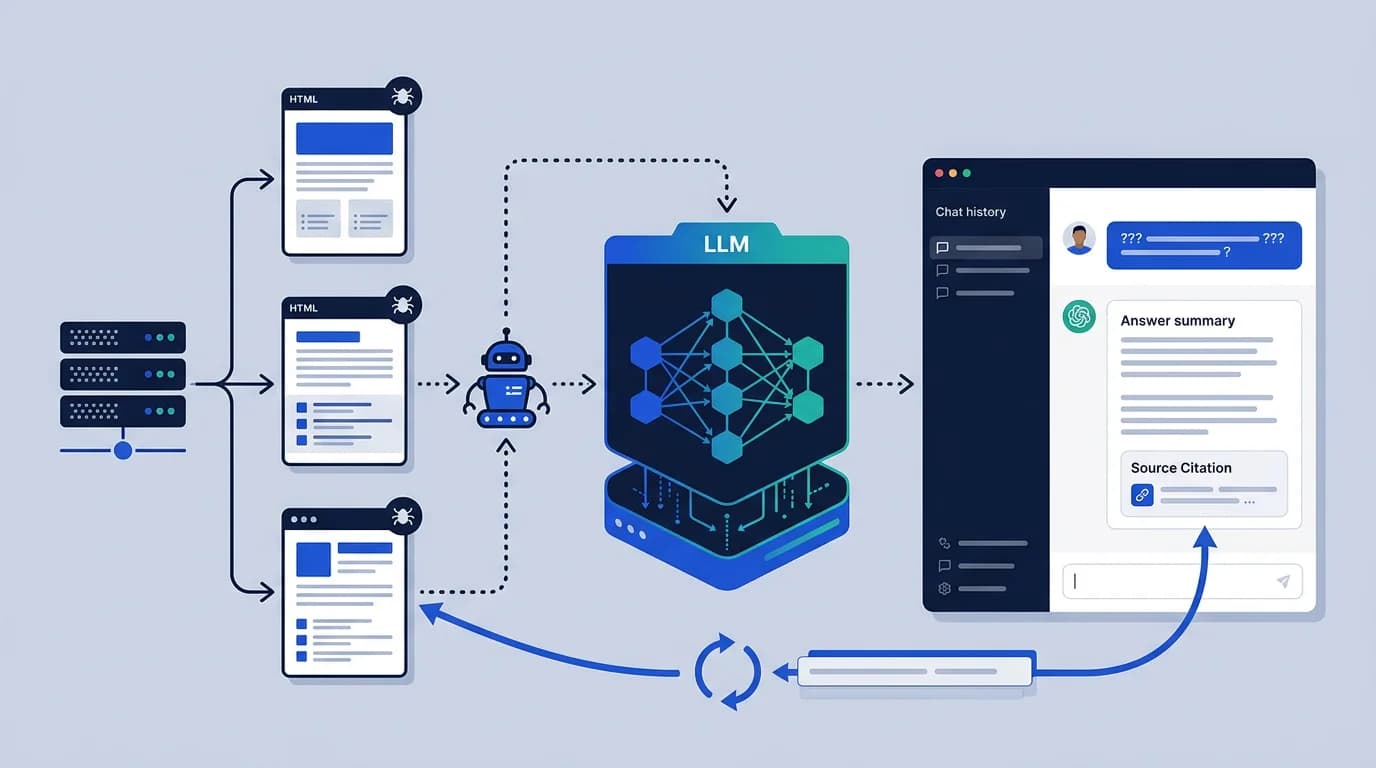
Surface in ChatGPT answers via OAI-SearchBot indexing — deterministic HTML, schema-rich snippets, and prerendering middleware for JavaScript applications.
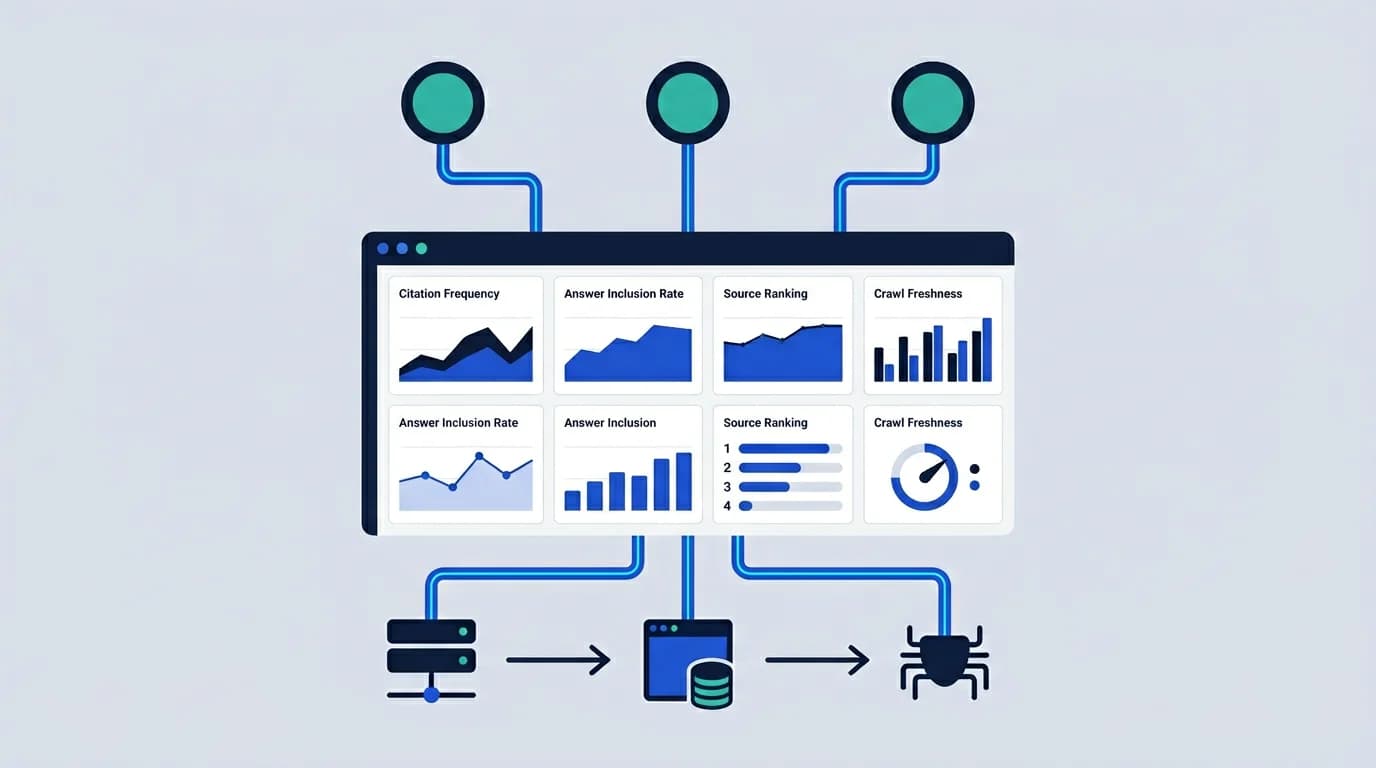
How to choose an AI visibility tool, why prerendering matters for LLM extraction, and what technical teams should validate for answer-engine reach.
The blog is designed as an editorial hub for engineering-led SEO work. Each article is meant to be discoverable, internally coherent, and reusable inside a larger content system that can scale across categories, search, and future article formats.
Structurally it follows the same hub logic as the prerendering.info reference, but stays inside your current product design language, spacing rhythm, component tone, and `saas-*` token palette.
The blog is not meant to be a loose archive of unrelated search articles. It is structured as a discovery layer for engineering teams, growth leads, and technical decision-makers who need deeper context on rendering, indexation, crawl behavior, structured data, and answer-engine visibility. Each article is designed to support a specific topic cluster and connect that topic back to a service page, audit concept, or implementation decision that matters in real product environments.
That matters for readers and for the overall site architecture. From a user perspective, the hub helps visitors move from educational research into stronger commercial understanding. A reader might start with a framework-specific article, continue into a service page, and then evaluate sample deliverables. From a search perspective, the same structure creates a cleaner editorial hierarchy with parent topics, child articles, and more coherent internal linking between intent levels.
As the content footprint grows, the blog should keep doing three jobs at once. First, it should attract qualified visitors through high-intent technical SEO topics. Second, it should help readers understand how modern website systems affect discoverability, crawl efficiency, and AI-facing visibility. Third, it should create enough trust and clarity that the next step toward a technical SEO audit feels natural rather than abrupt.
That is why the hub includes categories, related content, FAQ support, and conversion-aware linking instead of functioning as a basic list of posts. The long-term goal is to make this section both an authority layer and an internal navigation layer that keeps high-value topics connected to the pages where a buying decision is actually made.
Modern technical SEO content works best when it is organized as a hub rather than as a flat blog feed. Users researching rendering, crawlability, AI visibility, and large-site architecture often do not read a single article and convert immediately. They move between related questions, compare solution paths, and look for evidence that the site behind the content understands implementation complexity. A hub structure supports that behavior more naturally than a simple archive.
That is why this page includes more than post cards. It acts as a category gateway, an authority signal, and an internal navigation layer that helps different types of users find the right level of detail. A growth lead may start with a broad technical SEO piece. An engineer may prefer rendering-specific content. A buyer closer to conversion may want articles that connect directly to audit scope or sample deliverables.
From an SEO strategy perspective, this hub also gives the site a stronger parent entity for the blog cluster. It helps search engines understand how articles relate to each other and which themes the domain wants to own. Over time, that makes it easier to build coherent topical authority around technical SEO, JavaScript SEO, prerendering, AI search readiness, and indexation work for modern websites.
For users, the practical benefit is clarity. Instead of encountering isolated posts with weak context, they can move through a more intentional editorial system that supports learning, comparison, and conversion. That is what makes a blog hub commercially useful instead of purely informational.
Content on a site like this is most effective when it supports the same commercial positioning as the service pages. Articles should not chase traffic for its own sake. They should help the domain earn visibility for high-value technical questions, demonstrate implementation credibility, and give users a natural path toward service evaluation when the topic aligns with a business need. That balance between educational value and commercial relevance is what turns a blog into a real growth asset.
The hub format helps preserve that balance by keeping articles connected to categories, service themes, and deeper funnel pages. Instead of functioning as isolated assets, posts become part of a larger content system where each piece supports authority, internal linking, and conversion potential at the same time. That is the long-term role this blog should continue to play as the site grows.
In practical terms, that means the blog should continue expanding around topic clusters that match real commercial intent: technical SEO audits, JavaScript SEO, rendering strategy, prerendering, AI search visibility, and large-site indexation patterns. A hub that stays aligned with those themes becomes much more useful than a general SEO blog because both search engines and buyers can understand what the site is trying to own.
Content Cocoon
The blog hub should point readers toward the main parent service entities so the editorial layer reinforces the commercial architecture of the site.
Internal Pathways
Technical SEO Audit
The main parent service for crawlability, rendering, indexation, and implementation-focused diagnostics.
JavaScript SEO
A service branch focused on rendering reliability and crawler-visible HTML for modern frontend stacks.
Prerendering
The service path for deterministic HTML delivery and prerendering strategy.
AI Search Visibility
The service branch for answer-engine visibility, entity signals, and machine-readable content systems.
Newsletter
Roughly twice a month: rendering decisions, JS SEO patterns, AI engine updates. No filler, no resharing of other people's threads.
Unsubscribe anytime. We do not share your email. See the privacy policy.
The blog focuses on technical SEO, prerendering, structured data, crawl reliability, AI search visibility, and the engineering systems that make complex sites indexable.
The material is written for engineering teams, technical SEO specialists, and product owners who need implementation-level guidance instead of high-level theory.
Yes. The hub is designed around repeatable editorial patterns so new articles can share the same metadata, taxonomy, featured placement, and discovery experience.
Blog Infrastructure
The hub is now ready to scale with more categories, more article cards, and a cleaner editorial entry point than a single-post route.
Start an SEO Sprint